







Why Generic Advice Fails
Telling a student living in a PG to “grow your own herbs” or a joint family to “avoid bulk buying” isn't just unhelpful; it’s counterproductive. Sustainable eating isn't about achieving perfection. It’s about making smarter, consistent choices within
our means. India's household food waste is a significant issue, with estimates suggesting that households are responsible for a majority of the food wasted nationally. This waste occurs despite our deep-rooted cultural traditions of resourcefulness. The problem isn't a lack of awareness about sustainability itself, but a disconnect between broad global advice and the realities of an Indian kitchen. The path forward lies in customising our approach, making sustainability feel less like a chore and more like a natural extension of mindful living.
For the Student or Young Professional
Living alone or with roommates presents a unique challenge: cooking for one. This often leads to buying produce that wilts before it can be used or getting stuck with leftovers for days. The key here is to master small-scale cooking and smart shopping. Instead of buying a whole head of cabbage, visit the local vendor who will sell you just what you need for a single meal. Embrace meal planning, but on a mini scale. Plan just two or three distinct meals for the week and buy ingredients that can overlap. For instance, carrots and peas can go into a pulao one day and a simple stir-fry the next. Portion control is your best friend to avoid cooking more than you need. Lastly, learn to love your freezer. Freeze extra portions of dal or curry in single-serving containers for days when you're too busy to cook, saving both money and food.
For the Urban Couple
For many double-income couples, time is the scarcest resource. The temptation to order in is strong, leading to a mountain of single-use plastic containers. The most meaningful change is to plan for convenience. Dedicate one hour on a weekend to 'soft prep'. This doesn't mean cooking all your meals, but rather washing and chopping vegetables, boiling dal, or making a base ginger-garlic paste. This makes weeknight cooking significantly faster. Another strategy is to embrace one-pot meals. Dishes like khichdi, dalia, or a hearty soup require minimal effort and cleanup. When you do order out, choose restaurants that use eco-friendly packaging or consolidate your orders to reduce delivery trips. Making a conscious choice to eat one or two more meals at home per week can drastically cut down on both waste and expenses.
For the Family with Young Children
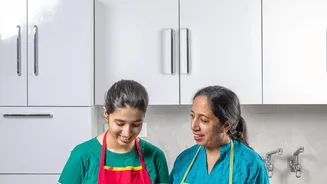
Managing a household with kids involves navigating picky eaters and busy schedules. The goal is to embed sustainable habits into the family routine. Involve children in the process; they are more likely to eat vegetables they helped pick out at the market. Introduce 'root-to-leaf' cooking as a fun experiment. For example, use cauliflower stems in a subzi or make a chutney from coriander stems. This teaches them the value of not wasting food. Meal planning becomes crucial here to ensure a balanced diet and reduce last-minute stress. Plan your weekly menu and stick to your shopping list to avoid impulse buys that often go to waste. Portion control at the table is also important; encourage family members to take smaller helpings first and go back for seconds if they are still hungry, reducing plate waste.
For the Joint Family Household
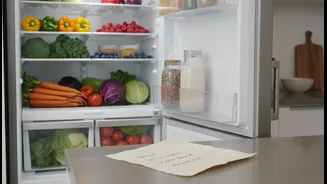
The joint family kitchen is a powerhouse of traditional wisdom. While bulk buying is often economical, it can sometimes lead to waste if not managed well. The key is effective storage and communication. Revive old practices like sun-drying vegetables or making pickles to preserve seasonal excess. Traditional cooking methods like pressure cooking are not only time-efficient but also energy-efficient. The biggest advantage of a joint family is the ability to use everything. Leftover rice from lunch can become fried rice for dinner, and leftover dal can be used to knead dough for parathas. Create a system for leftovers where they are stored in a designated, visible spot in the fridge so they aren't forgotten. This setup is perfect for practising and passing down the inherently sustainable habits that have been part of Indian cooking for generations.