


The Rise of the Indian Solo Traveller
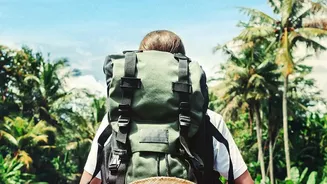
Not long ago, travelling alone in India was seen as an oddity, if not a risk. Today, it’s a powerful movement. A 2024 report highlighted that a staggering 84% of Indians were planning solo trips, significantly higher than the global average. This surge
is driven by a deep desire for self-discovery, with many citing the need to reconnect with themselves as a primary motivator. This isn't just about a vacation; it's about finding a break from the chaos of daily life and asserting a sense of independence. This trend is particularly strong among women, with data from travel platforms showing a significant year-on-year increase in solo female bookings, indicating a major cultural shift. Increased financial independence and a desire for empowering experiences are breaking old stereotypes.
Heritage Sites: A Dialogue with the Past
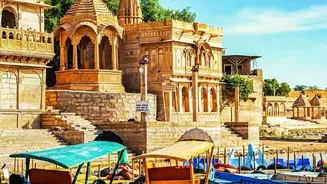
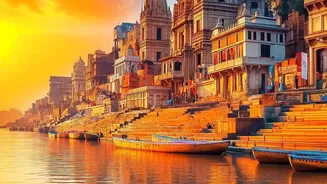
For the solo traveller on a quest for meaning, India's heritage sites offer more than just architectural marvels; they provide a profound sense of connection. Destinations like Hampi, a UNESCO World Heritage Site, are not just ruins but spaces for quiet reflection. The sprawling, boulder-strewn landscape and the echoes of the Vijayanagara Empire offer a unique backdrop for introspection. Similarly, cities like Varanasi and Rishikesh draw those seeking spiritual clarity. Walking along the ghats of the Ganges or attending a quiet yoga session allows for a connection not just with culture, but with oneself. Travel data indicates that cultural and heritage travel is a dominant and fast-growing segment within the solo travel market, suggesting that these journeys are as much internal as they are external.
Nature's Embrace: Finding Solitude and Peace
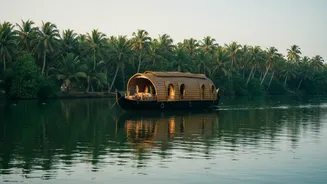
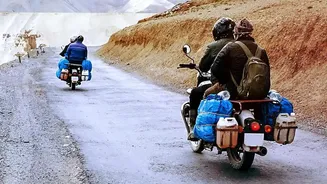
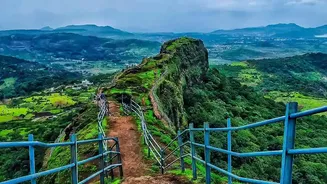
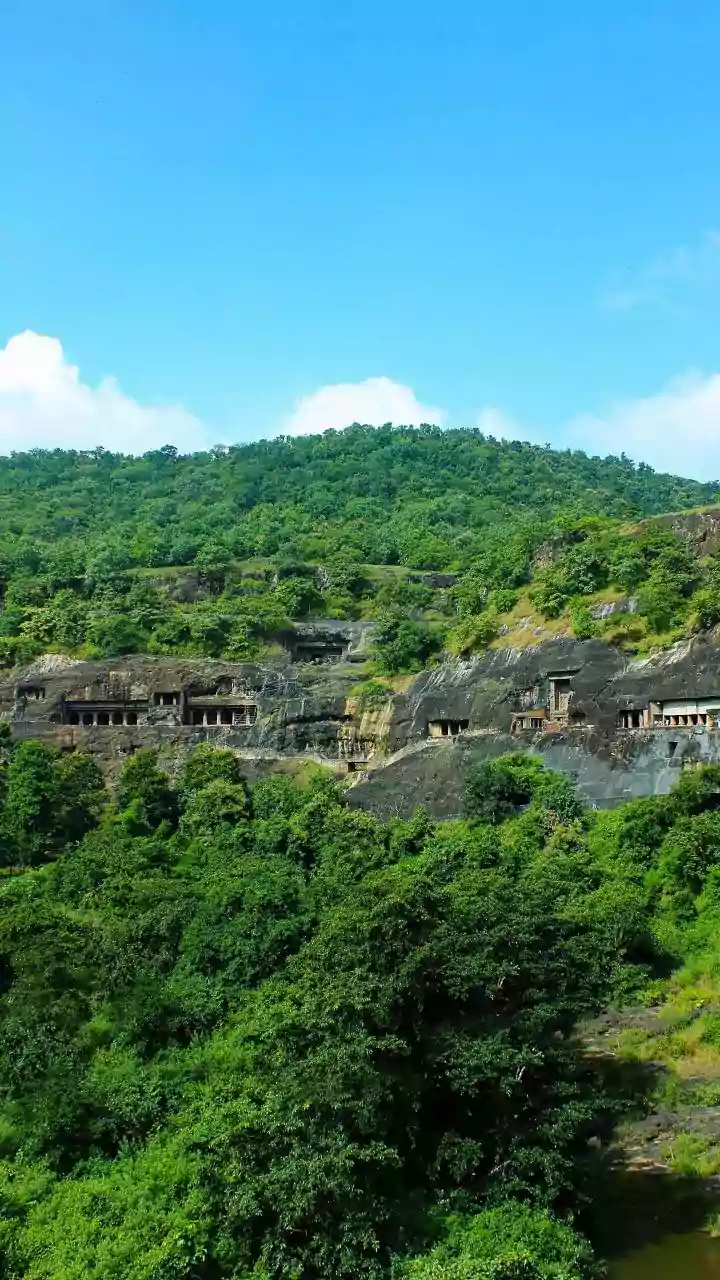
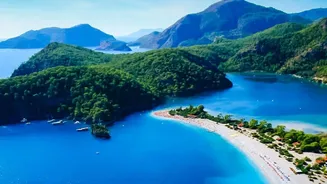
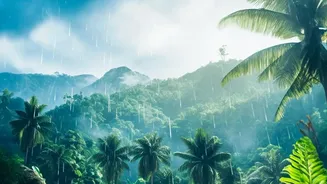
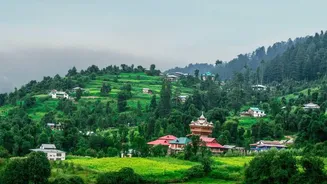
Alongside ancient cities, India's natural landscapes have become sanctuaries for the solo soul. From the tranquil backwaters of Kerala to the majestic Himalayas in Ladakh and Himachal Pradesh, travellers are seeking out nature to unplug and reset. The search for trekking routes and nature-based activities is a growing trend, with destinations like Leh and McLeod Ganj seeing a surge in interest. Places like the Parvati Valley in Himachal or the serene beaches of Gokarna offer a break from the noise of modern life. This move towards nature is about more than just a scenic view; it's about finding mental clarity and emotional healing in the quietude of the natural world. For many, it's a form of therapy without a clinic, a chance to rely on one's own instincts and find peace away from constant digital noise.
The Journey is the Destination
Ultimately, this trend signifies a deeper change in priorities. The modern Indian traveller is not just collecting passport stamps or ticking off a bucket list. The goal has evolved from simply seeing new places to experiencing personal transformation. Recent accommodation search data confirms that solo travellers are increasingly looking for experiences that support self-discovery and meaningful travel. They are drawn to destinations that offer a mix of culture, spirituality, and nature. The freedom to create your own itinerary, to move at your own pace, and to be alone with your thoughts is a luxury many are now actively seeking. This isn’t about being lonely; it's about choosing solitude to foster growth, confidence, and a deeper understanding of oneself.