



More Than Just 'Gunpowder'
First, let's be clear: podi is not one single thing. The word simply means ‘powder’ in several South Indian languages. In a culinary context, it refers to an entire category of dry, ground powders made from roasted lentils, spices, seeds, and sometimes
herbs. You may have heard of ‘milagai podi’ (chilli powder), famously nicknamed ‘gunpowder’ for its explosive flavour, but that’s just the beginning. Every household in states like Tamil Nadu, Andhra Pradesh, and Karnataka often has its own signature versions, from the nutty Paruppu Podi (lentil powder) to the fragrant Karuveppilai Podi (curry leaf powder). These aren’t just spice mixes; they are complete, ready-to-eat condiments with a history stretching back centuries, designed to deliver texture, protein, and profound flavour.
The Soul of Its Flavour
The magic of podi lies in its creation. The process always involves dry-roasting the ingredients—lentils like toor dal and chana dal, red chillies, cumin, pepper, and more—before grinding. This crucial step is what builds its characteristic deep, nutty, and complex profile. Roasting transforms the raw starches in the lentils into something toasty and savoury, and it awakens the essential oils in the spices. The result is a shelf-stable condiment that doesn't just add heat; it adds layers of roasted, umami-rich character. This is why podi is fundamentally different from a raw spice blend. It’s already cooked, its flavours developed and ready to be released.
Tradition, Taste, and Transformation
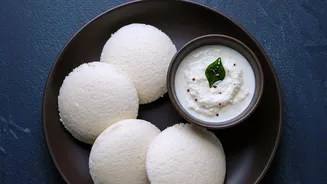
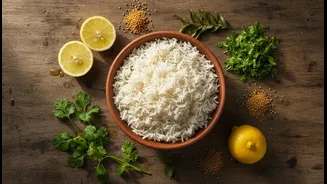
The traditional way of eating podi is beautifully simple and designed to maximize its flavour. The most classic application involves taking a spoonful of podi on your plate, making a small well in the centre, and pouring in a little ghee (clarified butter) or gingelly (sesame) oil. You mix this into a rough, savoury paste, perfect for dipping fluffy idlis or scooping up with a piece of crispy dosa. Another beloved method is mixing it directly into a mound of hot, steaming rice with a dollop of ghee. In both cases, the fat—be it ghee or oil—is essential. It acts as a vehicle, ‘blooming’ the roasted spices and allowing the podi’s full aromatic potential to coat every bite. The warmth from the rice or idli further helps release these aromas. Here, podi is not an afterthought; it is a central component of the meal.
The 'Novelty Dust' Problem
As podi gains international fame, it's increasingly being used in ways that miss the point. We now see it sprinkled dry over avocado toast, pasta, salads, and french fries. While creativity in the kitchen is wonderful, this 'dusting' approach often treats podi like a mere novelty garnish. When sprinkled dry onto a cold or dry surface, the podi’s complex, fat-soluble flavours remain locked up. It delivers a hint of spice but fails to provide the deep, nutty satisfaction it’s known for. The crucial interaction with fat and warmth is lost, reducing a multi-dimensional flavour bomb into a one-dimensional spicy powder. It's an application that borrows the trendiness of the word 'podi' without respecting the culinary science that makes it so special.
How to Use It Right
To truly appreciate podi, embrace its traditional partnerships. Always try to pair it with a fat and, if possible, some warmth. Start with the classic podi-ghee-rice combination for a comforting and quick meal. Enjoy it properly with idli or dosa by mixing it with sesame oil to create a dip. If you want to get creative, apply the same principles. Instead of just dusting podi on roasted vegetables, toss the hot vegetables in a mixture of podi and oil so the flavour truly coats them. Whisk it into yogurt with a little tempered oil to make a flavourful raita or dip. You can even use it as a rub for meats or paneer before grilling. The goal is always to integrate the podi, allowing its flavours to meld and bloom, rather than just letting it sit on top.