





A Tidal Wave of Growth
The numbers tell a compelling story. India's cruise market is on a steep upward trajectory. Passenger traffic has surged, with domestic travellers making up the vast majority of this new wave. Projections indicate that the market, valued at over ₹800
crore in FY25, could grow at an annual rate of 20-25% to reach over ₹2,000 crore by 2031. This isn't just a fleeting trend; it reflects a fundamental change in how Indians perceive and plan their holidays. The industry is moving from a niche, high-end segment to a broader consumer base, thanks to rising disposable incomes and a growing appetite for experience-driven, hassle-free travel.
Government Policy Opens the Floodgates
This expansion is strongly supported by concerted government action. Initiatives like the Cruise Bharat Mission and Maritime India Vision 2030 are laying the groundwork to transform the country into a global cruise hub. This involves significant investment in infrastructure, including the development of world-class international cruise terminals in Mumbai, Goa, Chennai, and Visakhapatnam. To attract international liners and simplify travel, the government has introduced streamlined e-group visas for cruise tourists and scrapped customs overtime charges, reducing operational costs and making Indian ports more competitive.
More Than a Floating Five-Star Hotel
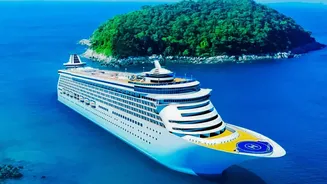
The modern Indian cruise is shedding its 'luxury-only' tag. Homegrown players like Cordelia Cruises, which holds a dominant market share, are leading this change by curating experiences specifically for the Indian traveller. This includes offering shorter, more affordable itineraries, such as two-night weekend trips and sailings between popular domestic ports like Mumbai, Goa, Kochi, and Lakshadweep. The company is also aggressively expanding its fleet, with new ships like Cordelia Sky and Cordelia Sun set to more than double its capacity and introduce more routes, including visa-friendly international destinations like Sri Lanka and Thailand.
The Rise of River Cruising
The growth story isn't confined to the coastline. India's vast network of inland waterways is emerging as the next frontier for cruise tourism. The number of river cruise voyages has seen a significant jump, with operations expanding from just a handful of vessels a decade ago to over 25 vessels across 13 national waterways today. The government plans to launch over 50 new river cruise circuits by 2027, tapping into the potential of rivers like the Ganga, Brahmaputra, and Narmada. The entry of global players like Viking Cruises, which is launching a vessel on the Brahmaputra, signals strong international confidence in this burgeoning sector.
A New Generation Comes Aboard
The profile of the Indian cruiser is also changing. It’s no longer just the domain of the super-rich or retired couples. Today's passengers are increasingly younger, including millennials, young professionals, and multi-generational families. They are drawn to the all-inclusive nature of cruising, which packages accommodation, dining, and entertainment into a single, value-for-money experience without the hassle of multiple bookings and transfers. Cruise lines are catering to this demographic with onboard attractions like rock climbing, Bollywood-style shows, and diverse Indian cuisine, transforming ships into floating resorts.