


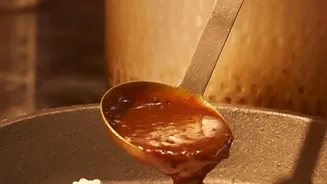
The Science of Blooming in Fat
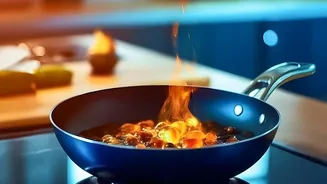
The most important moment for many spices happens when they hit hot fat. This technique, known as blooming or tempering (tadka in Indian cuisine), is the secret to unlocking deep, complex flavours. Most of the aromatic compounds that give spices their
signature scent and taste are fat-soluble, not water-soluble. This means they dissolve and release their essence far more effectively in oil or ghee than in water or broth. When spices are heated in fat, their cell walls break down, releasing these volatile oils. The hot fat then acts as a carrier, distributing those intensified flavours evenly throughout the entire dish. Skipping this step and adding spices directly to a liquid base means you're missing out on a huge layer of potential aroma and taste. A teaspoon of cumin bloomed in oil is vastly more fragrant and impactful than one stirred into simmering water.
Whole Spices: Add Them Early
Whole spices—like cumin seeds, cardamom pods, cinnamon sticks, and whole cloves—need a head start. Because their flavour compounds are locked inside, they require more time and heat to be fully extracted. The best practice is to add them to your pan at the beginning of the cooking process, into hot oil or butter before any other ingredients. This gives them a minute or two to toast and release their essential oils, infusing the cooking fat with a foundational layer of flavour. This infused fat then becomes the aromatic base for everything that follows, from onions and garlic to the main ingredients of your dish. If you add whole spices too late, their flavour won't have enough time to permeate the dish, resulting in a much milder impact.
Ground Spices: Handle with Care
Ground spices, having been pulverised from their whole form, have a much larger surface area. This means their flavour is more readily available, but it also means they can burn very quickly. Burnt spices, particularly delicate ones like paprika and turmeric, become bitter and unpleasant. Therefore, ground spices should be added after your aromatics (like onions and garlic) have softened, but before you add any liquid. They need just 30 to 60 seconds in the hot fat to bloom and release their aroma. This brief period is enough to awaken their flavour without scorching them. If you're correcting a dish's seasoning midway through, avoid tossing raw ground spices directly into the pot. Instead, bloom them separately in a small pan with a bit of hot oil, then stir that infused oil into your main dish to avoid a dusty, uncooked taste.
Dried Herbs vs. Fresh Herbs
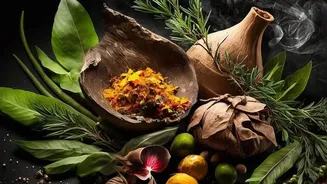
The rules for herbs also depend on their form. Dried herbs have concentrated flavours and benefit from time and moisture to rehydrate and release their essence. Hardy dried herbs like rosemary, oregano, and thyme should be added early or midway through the cooking process, especially in liquid-heavy dishes like stews and sauces. This gives them time to soften and meld with the other ingredients. Fresh herbs, on the other hand, are prized for their bright, delicate, and volatile aromas, which are easily destroyed by prolonged heat. Tender fresh herbs like parsley, cilantro, basil, and mint should be added in the final moments of cooking or used as a garnish after the heat is off. This preserves their fresh, vibrant character. The exception is hardy fresh herbs like rosemary, whose sprigs can be added earlier in the cooking process to infuse a dish slowly.