


Shift Your Mindset From Less to Smart
The biggest challenge of solo cooking isn’t the recipe; it’s the system. Supermarkets are often geared towards family-sized purchases, and standard recipes yield four to six servings. This makes it easy to overbuy and over-prepare. Instead of just trying
to make smaller meals, the goal should be to create a cohesive plan. This means thinking about your meals for the week, how ingredients can be used across multiple dishes, and how you can minimise waste before you even start cooking. An intentional approach allows you to enjoy fresh, varied meals without the stress of a fridge full of wilting produce and half-used jars.
The Art of Scaling Down a Recipe
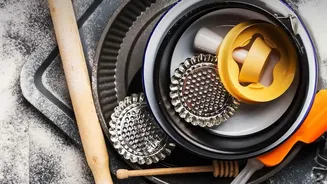
Halving a recipe seems straightforward, but it requires some finesse. While simply dividing most ingredients by two works, some elements need more careful adjustment. Spices, for instance, might not need to be perfectly halved; it’s often better to start with slightly less and adjust to taste. When an ingredient is tricky to divide, like an egg, you can whisk it and then use half. It's also crucial to adjust your tools. Using smaller pots, pans, and baking dishes prevents food from cooking too quickly or unevenly. A recipe designed for a large pan will behave differently in a smaller, deeper one, so keep a close eye on cooking times, which will likely be shorter.
Build a Solo-Friendly Pantry
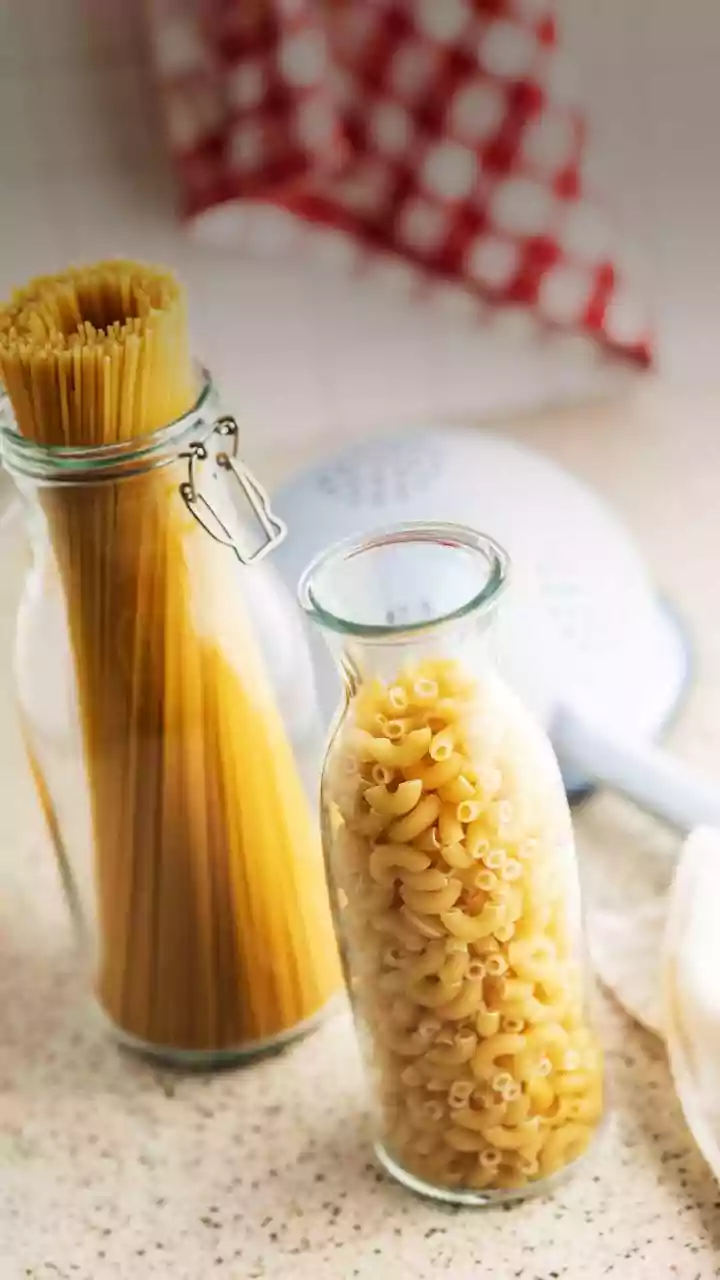
A well-stocked pantry is a solo cook's best friend, but it needs to be strategic. Instead of buying large quantities of many different items, focus on versatile staples. Good quality olive oil, vinegars, salt, pepper, and a few core spices like cumin, paprika, and oregano can form the flavour base for countless dishes. For canned goods, think single-serving potential: chickpeas, black beans, diced tomatoes, and coconut milk are excellent to have on hand. Rather than multiple pasta shapes, stick to one or two favourites. Having these basics means you only need to buy a few fresh ingredients to pull together a complete meal, reducing the risk of impulse buys and spoilage.
Cook Once, Repurpose Creatively
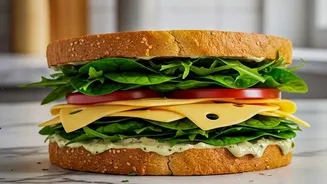
One of the most effective strategies is to plan for 'planned-overs' rather than leftovers. This means cooking a versatile base component in a larger batch and using it in different ways throughout the week. For example, a batch of roasted vegetables can be a side dish one night, tossed into a pasta salad the next day, and blended into a soup on the third. Similarly, grilled chicken can be used in a stir-fry, a sandwich, or on top of a salad. This approach gives you variety without having to start from scratch every single night, saving both time and mental energy.
Embrace Your Freezer
Your freezer is essential for reducing food waste and building a library of ready-made meals. Many people suggest that when you cook dishes that freeze well—like soups, curries, or lasagna—you should make a full batch and immediately freeze the extra portions in single-serving containers. This is far more efficient than cooking a small portion from scratch every time. You can also freeze individual ingredients. For instance, break up a pack of chicken breasts into individual portions before freezing. You can even freeze leftover herbs in oil or water in an ice cube tray, ready to be dropped into your next sauce or stew.
Shop Smarter, Not Harder
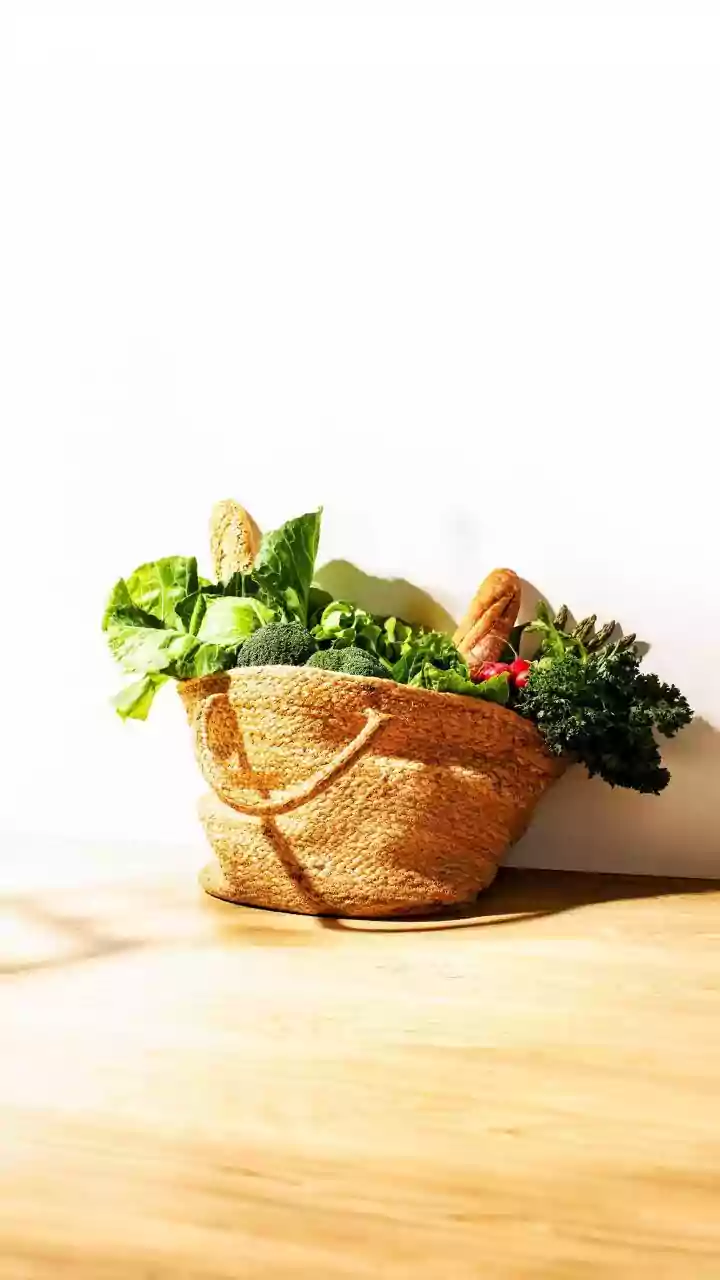
Successful solo cooking begins at the grocery store. Always shop with a list based on your meal plan to avoid buying unnecessary items. Whenever possible, buy fresh produce in smaller amounts. While bulk buying can seem cheaper, it often leads to waste in a single-person household. Utilise the butcher's counter to get exact portions of meat or fish instead of being forced into pre-packaged quantities. Some stores also offer bulk bins for grains, nuts, and spices, allowing you to buy just what you need. Shopping more frequently for smaller amounts can also help ensure you're using the freshest ingredients.