


An Architect's Favourite Plant
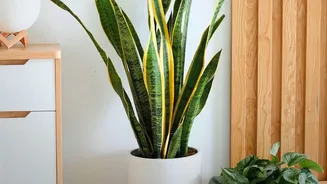
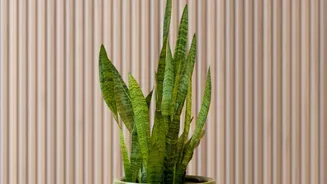
When designers talk about adding 'structure' to a room, they mean creating strong visual lines that guide the eye and define a space. This is where the snake plant, or Dracaena trifasciata, truly shines. Its stiff, upright leaves create a powerful vertical
element that can make a ceiling feel higher and a small corner feel purposeful. Unlike softer, bushier plants, the snake plant’s clean, sword-like shape offers a sculptural quality. This architectural nature makes it a perfect fit for a variety of decor styles, from minimalist and modern to industrial and mid-century modern, where it complements clean lines and geometric forms.
A Variety for Every Nook
The world of snake plants extends far beyond the classic green-and-yellow-edged variety. There are over 70 species, each with a unique personality. The 'Laurentii' is perhaps the most recognizable, with its tall, yellow-bordered leaves. For a more subtle look, the 'Zeylanica' offers beautiful, wavy bands of dark and light green. If you want something truly dramatic, the 'Whale Fin' snake plant (Dracaena masoniana) features a single, enormous, paddle-shaped leaf that acts as a living sculpture. For smaller spaces like desks or shelves, compact 'Hahnii' varieties, sometimes called bird's nest snake plants, grow in a short, funnel shape. Cylindrical snake plants (Dracaena cylindrica) have round, spear-like leaves that can even be braided for a unique look.
The Art of 'Tough Love' Care
One of the snake plant's biggest claims to fame is its reputation for being nearly indestructible, making it ideal for beginners and busy homeowners. The key is to understand that it is a type of succulent that stores water in its leaves. The most common mistake is overwatering, which can lead to root rot. The rule is simple: let the soil dry out completely between waterings. In summer, this might mean watering every two to four weeks, while in winter, it could be as infrequent as once a month. Snake plants are also highly adaptable to different light conditions. While they prefer bright, indirect light, they can tolerate low-light corners, though their growth may slow and variegation might fade.
Styling Your Sculptural Greenery
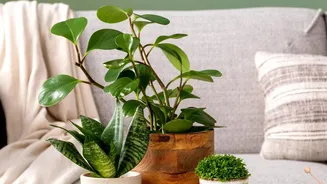
How you display your snake plant can amplify its decorative impact. The pot you choose plays a huge role; a simple ceramic or terracotta pot can ground the plant in a traditional or bohemian space, while a sleek, modern planter will enhance its minimalist appeal. Because of their vertical growth, snake plants are excellent for adding height to a collection of plants or for flanking a doorway or piece of furniture. Taller varieties look stunning as floor plants in empty corners, instantly adding life and interest. Smaller types are perfect for styling on bookshelves, side tables, or even as a centerpiece. Don't be afraid to group several different snake plant varieties together to create a display of varying heights, colours, and textures.