





More Than Just Craters
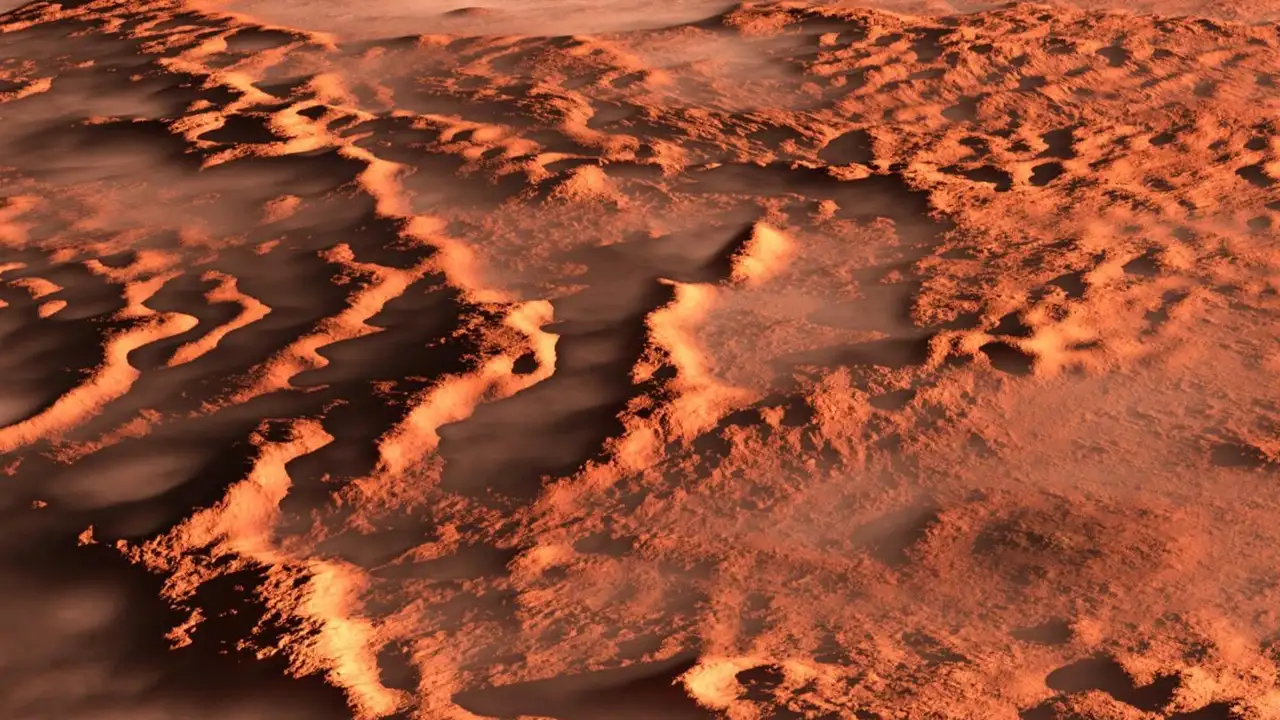
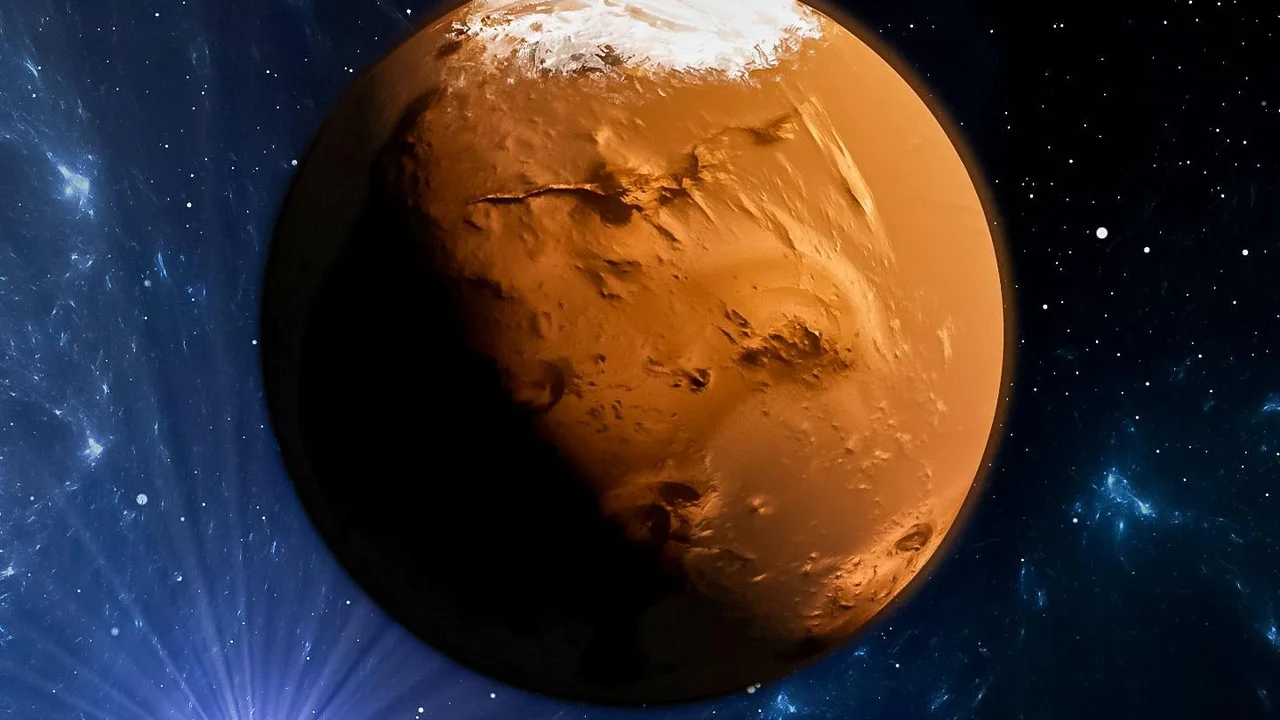
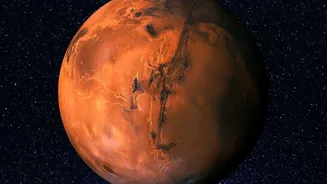
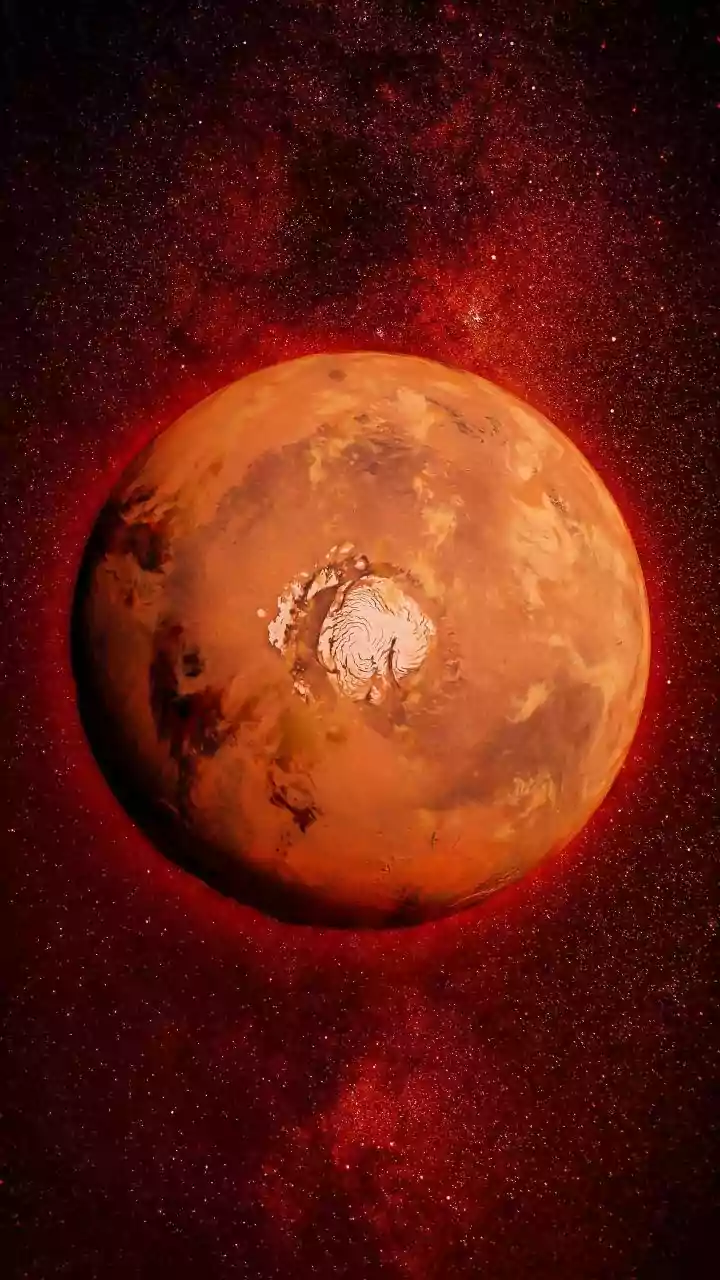
When we look at Mars, its cratered surface tells a story of a violent past. But these are not just scars; the largest of them, known as impact basins, are colossal structures that fundamentally alter the planet's environment. Basins like Hellas, Isidis,
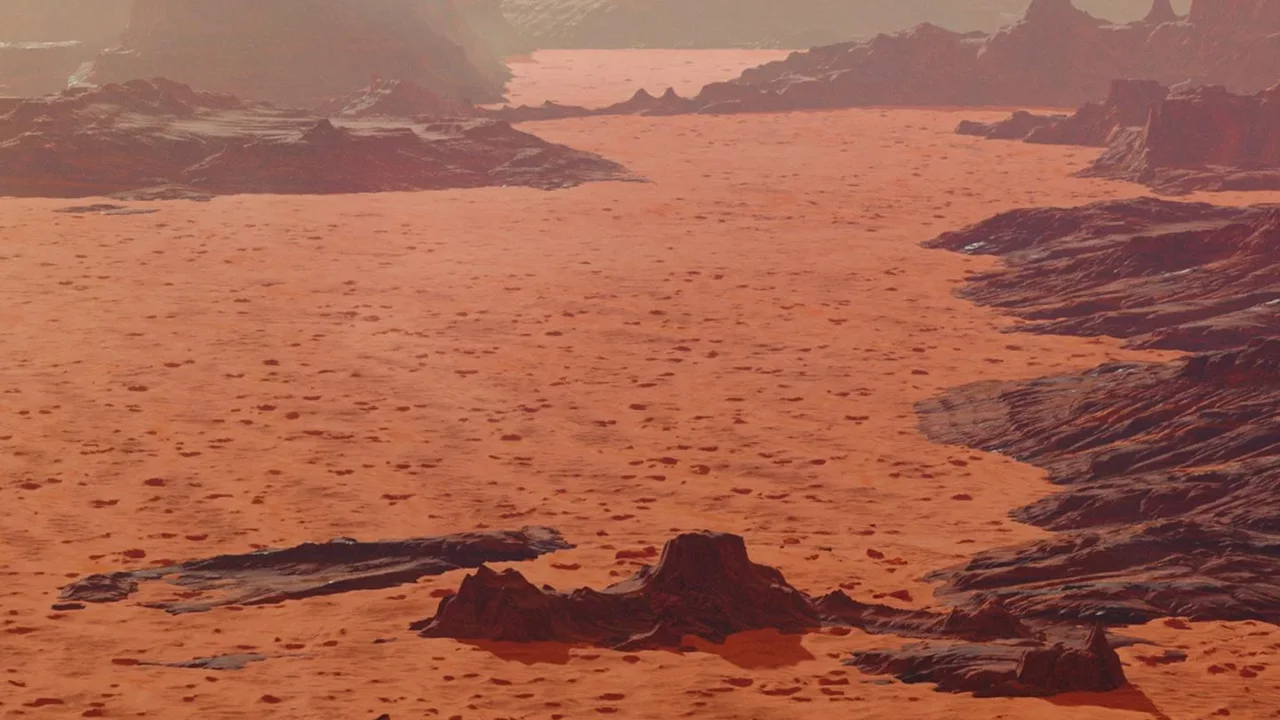
and Argyre are so vast and deep they essentially create their own weather systems. Hellas Planitia, for example, is over 2,300 kilometres wide and its floor sits more than seven kilometres below the Martian average elevation. This extreme depth means the atmospheric pressure at the bottom is significantly higher—sometimes more than double the planetary average. This thicker blanket of air acts as an insulator, trapping heat more effectively and leading to warmer nighttime temperatures than the surrounding highlands.
How Heat Shapes Martian Weather
The unique topography of these basins creates localized thermal anomalies. Because the atmosphere is denser at the bottom of a basin like Hellas, it can better retain daytime heat after the sun sets. This effect is amplified by the fact that Mars' orbit is more elliptical than Earth's, leading to more extreme seasonal variations. During the southern hemisphere's summer, the floor of Hellas can become one of the warmer spots on the planet. This temperature differential between the basin floor and its rim, and between the basin and the rest of the planet, can drive powerful winds and is a known source of the planet-enveloping dust storms that periodically rage across Mars.
A Legacy of Ancient Impacts
These thermal effects are a modern echo of much more dramatic events in Mars' deep past. The cataclysmic impacts that formed these basins billions of years ago would have had profound, planet-altering consequences. Studies suggest that the immense energy released could have vaporized rock and subsurface ice, temporarily creating a thick, hot atmosphere of steam and other gases. This could have triggered a short-lived, intense greenhouse effect, leading to periods of hot, mineral-rich rainfall and surface temperatures warm enough to keep water liquid for thousands of years. These ancient impacts didn't just carve out basins; they may have periodically jump-started a warmer, wetter Martian climate.
Implications for the Search for Life
The idea that these basins could create warmer, wetter environments, even temporarily, has major implications for the search for life. On ancient Mars, these impact-generated hydrothermal systems could have been ideal cradles for life to emerge. These environments would have provided heat, liquid water, and chemical nutrients, similar to the deep-sea hydrothermal vents on Earth where life thrives without sunlight. Even today, the slightly milder conditions and higher atmospheric pressure in basins like Hellas make them compelling targets. The pressure at the lowest points can exceed the triple point of water, meaning that if temperatures rise above freezing, liquid water could theoretically exist without immediately boiling away. Recent findings from the Perseverance rover in Jezero Crater, itself an ancient impact basin, have uncovered evidence of past hydrothermal activity, reinforcing the link between craters and habitable conditions.