


Choosing the Perfect Pot
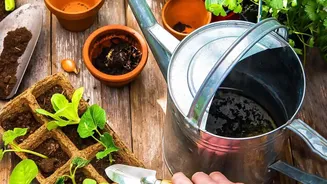
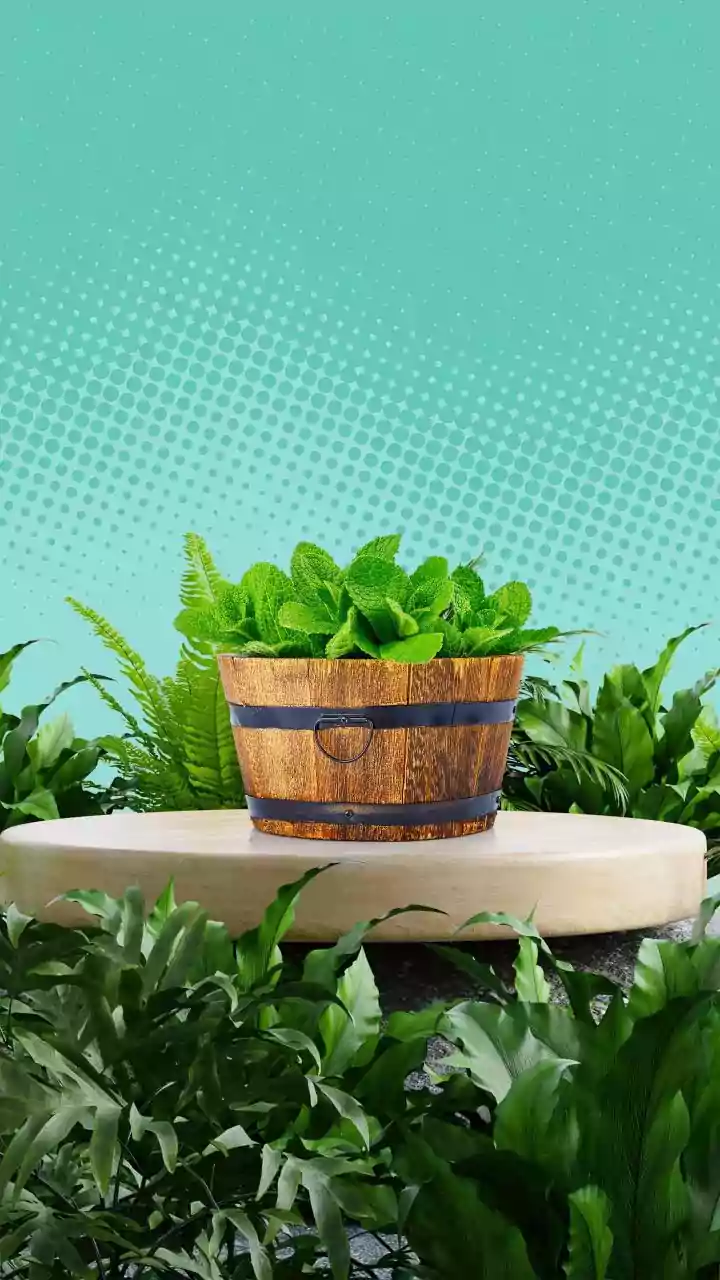
The foundation of a happy container-grown lemon tree is its pot. Your choice here directly impacts root health and moisture control. When selecting a pot, prioritise drainage above all else; ensure it has multiple, generous drainage holes. Terracotta
or clay pots are often recommended over plastic because their porous nature allows for better air circulation to the roots. When it comes to size, bigger isn't always better, especially for a young plant. A pot that is too large can hold excess soil that stays wet for too long, increasing the risk of root rot. A good rule of thumb is to choose a container that is a few inches wider than the plant's current root ball. As the tree grows, you can gradually repot it into larger containers every few years. For a young tree, a pot around 12 to 15 inches deep is a great starting point.
The Golden Rules of Watering
The most common mistake gardeners make is watering on a rigid schedule. Lemon trees prefer soil that is consistently moist but never waterlogged. The best approach is to check the soil before you water. A simple and effective method is the finger test: insert your finger about two inches into the topsoil. If it feels dry at that depth, it's time to water. If it feels damp, wait another day or two and check again. When you do water, do so deeply and thoroughly, allowing the water to run until it freely exits the drainage holes at the bottom. This encourages the roots to grow deep and strong. After watering, make sure to empty any saucer or tray beneath the pot so the tree is not left sitting in standing water, which can lead to root rot.
Decoding Your Plant's Signals
Your lemon tree will give you clear signs if its watering needs are not being met. Confusingly, both overwatering and underwatering can cause leaves to turn yellow and drop. However, there are subtle differences. An overwatered plant's leaves may feel soft, and the tips of new stems might turn black. This happens because the waterlogged roots are suffocating and can no longer absorb water and nutrients effectively. In contrast, an underwatered plant's leaves will feel dry and crispy, and they may curl inward before falling off. The key to diagnosing the problem is to feel the soil. If the leaves are yellow but the soil is consistently soggy, overwatering is the culprit. If the leaves are wilting and the soil is bone dry, the plant is thirsty.
Adjusting for Indian Seasons
India's diverse climate, from scorching summers to heavy monsoons, requires a flexible watering strategy. During the hot, dry summer months, your potted lemon tree will need more frequent watering, as the soil will dry out much faster. You may need to water every few days. During the monsoon season, you must be extra cautious to prevent overwatering. The frequent rain may be more than enough to keep the soil moist. It's wise to move your pot to a spot with some shelter from the heaviest downpours. Always rely on the finger test rather than the calendar. The increased humidity during the monsoon also means the soil will retain moisture for longer. In winter, the plant’s growth slows, and its water needs decrease significantly. Watering once every week or two might be sufficient, but always check the soil first.