







A Multi-Agency Mission
Hosting an international event of this scale requires immense coordination. The New Delhi Municipal Council (NDMC) is leading a comprehensive plan to ensure world-class cleanliness, enhanced aesthetics, and efficient civic management. The Lieutenant Governor
has directed all stakeholder agencies, including the Public Works Department (PWD) and Municipal Corporation of Delhi (MCD), to work in seamless coordination, emphasizing time-bound execution. The goal is to present a clean, green, and well-maintained face to international delegates and visitors. To manage this massive task, 41 major roads have been divided into 14 circles, each with a dedicated nodal officer to conduct daily inspections and ensure standards are met.
Upgraded Lighting and Beautification
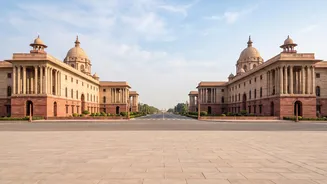
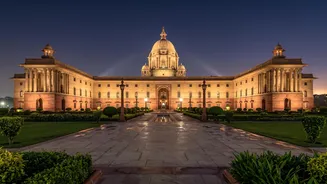
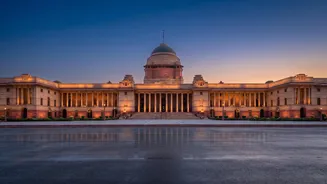
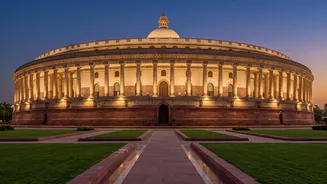
A major focus of the preparations is enhancing the city's visual appeal. The NDMC's plan includes extensive beautification, especially around 17 key roundabouts, and the installation of floral boards and fountains at various locations. Horticulture teams are busy with landscaping, planting seasonal flowers, and greening brown patches along major corridors. On the lighting front, the plan is to ensure all streetlights are operational, with quick response teams and backup power arrangements in place to handle any electrical faults promptly. This push for better illumination extends to historic areas as well, with projects approved for decorative street lighting on stretches like the Ring Road near Rajghat, a site frequently visited by foreign dignitaries.
Tackling Drainage and Sanitation
With the summit scheduled during a period with a possibility of rain, preventing waterlogging is a high priority. Agencies are focused on strengthening drainage arrangements, which includes repairing stormwater drains and ensuring they are clear of debris. This is part of a broader infrastructure maintenance push that also covers repairing potholes and footpaths. Sanitation is another critical area. The NDMC is deploying additional sanitation staff, special night-duty teams, and mechanical road sweepers from September 9 to 14. These intensive cleaning operations will be supported by temporary dustbins and mobile toilets. There will also be special drives to remove stray animals and clear encroachments from key routes to ensure smooth movement and safety.
A City-Wide Effort with Lasting Impact?
The preparations are not confined to the core Lutyens' Delhi area. In Chandni Chowk, the government plans to hire a private firm for a multi-year contract to manage housekeeping, cleanliness, and repairs along the historic 1.3-kilometre stretch. This Rs 34 crore project aims to address long-standing maintenance issues and includes deploying security guards and using jet machines for washing roads. The branding for the summit will be visible across the city, with displays on 154 digital screens and at over 80 public toilets. The overarching theme of India's BRICS chairmanship is “Building for Resilience, Innovation, Cooperation and Sustainability”. For Delhi's residents, the hope is that these wide-ranging civic upgrades prove to be resilient and sustainable, leaving a lasting legacy of improved urban infrastructure long after the delegates have departed.