



The Ultimate Safety Check
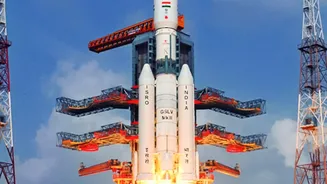
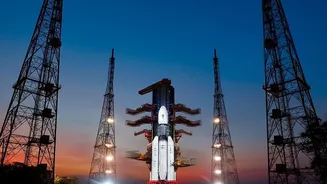
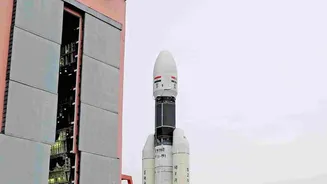
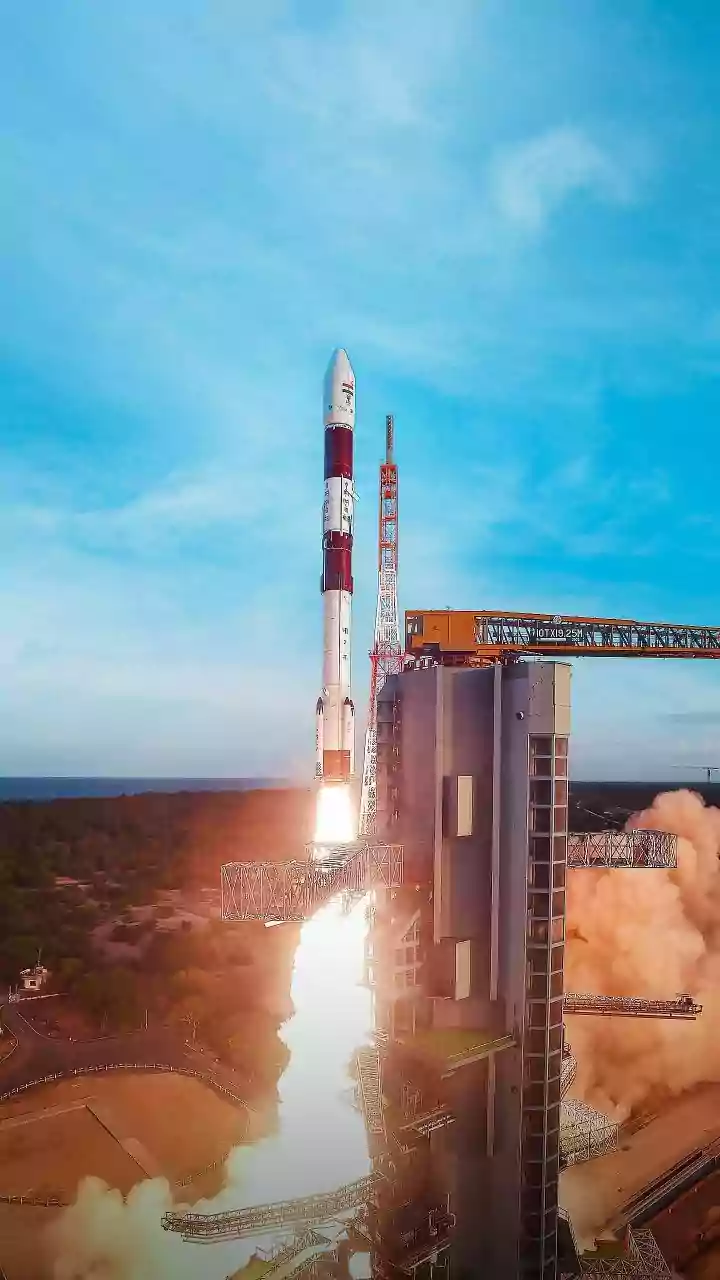
Sending humans into space is an incredibly complex and risky endeavour. An uncrewed test flight is the single most important step in verifying that the entire mission architecture, from the rocket to the recovery teams, works flawlessly. ISRO has planned
a series of these missions to demonstrate technological readiness, safety, and reliability. Every component must be proven in the harsh reality of space before putting human lives on the line. The first uncrewed orbital mission, known as G1, is a comprehensive end-to-end test of the vehicle and its systems in the exact conditions the astronauts will face.
Validating the 'What If' Scenarios
A key purpose of the test flights is to validate the Crew Escape System (CES). This is the critical safety mechanism designed to pull the crew module away from the launch vehicle in case of an emergency on the launchpad or during ascent. ISRO has already conducted several tests, including a successful in-flight abort demonstration known as the Test Vehicle Abort Mission-1 (TV-D1), which saw the CES separate the module at high speed. These abort tests are performed under simulated failure conditions to prove the system can rescue the crew in a fraction of a second, which is a non-negotiable safety requirement.
Simulating Life in Orbit
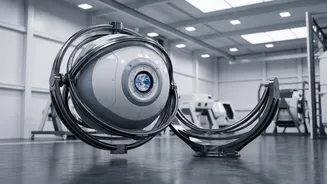
The uncrewed flights will test the Orbital Module, which consists of the Crew Module (the habitable space) and the Service Module (which provides power and propulsion). Inside the Crew Module, the Environmental Control and Life Support System (ECLSS) will be put through its paces. This system is responsible for maintaining a breathable atmosphere, regulating temperature and pressure, and managing carbon dioxide levels. To simulate human presence, the G1 mission will carry a humanoid robot named Vyommitra, which will monitor these vital parameters and provide invaluable data on how the cabin environment performs.
Testing the Fiery Return
Returning to Earth is one of the most dangerous phases of any space mission. The uncrewed flight will demonstrate the performance of the capsule's heat shield, which must protect it from the extreme temperatures of atmospheric re-entry. Following this, it will test the entire deceleration sequence. This involves the precise jettisoning of the apex cover, followed by the deployment of a series of parachutes—drogue chutes to provide initial stability and main parachutes to slow the module for a gentle splashdown. ISRO has performed Integrated Air Drop Tests (IADT) to validate this complex parachute system.
Ensuring a Safe Splashdown and Recovery
The mission doesn't end until the crew is safely back on the ground—or in this case, on a ship. The test flights are crucial for perfecting splashdown and recovery operations. ISRO has conducted tests for the Crew Module Up-righting System (CMUS), which uses flotation bags to ensure the capsule remains upright after landing in the sea, even in choppy conditions. These tests also serve as full-scale drills for the Indian Navy recovery teams, who are responsible for retrieving the capsule and its crew from the ocean. Every step, from locating the module to hoisting it aboard a ship, is practiced and refined during these uncrewed missions.