






A Landmark Project for North Gujarat
In a significant development for India's eco-tourism landscape, the Central Zoo Authority (CZA) has given its approval for a sprawling Desert Zoological Park and Night Safari at Juna Deesa in Gujarat's Banaskantha district. This is not just another zoo;
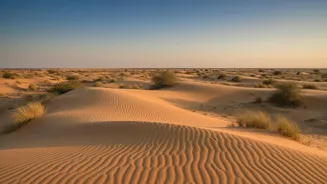
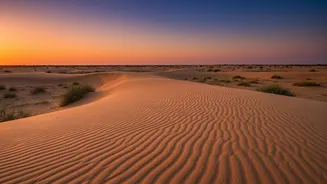
it is being developed by the Gujarat Forest Department as what officials describe as Asia's first desert-themed drive-through night safari. The ambitious project, with an estimated cost of ₹542.14 crore, will cover 103 hectares of government land selected for its natural sand dunes and proximity to the Banas River. This approval marks a critical step forward, moving the project from a bold vision into a tangible reality that aims to boost wildlife conservation, tourism, and local employment in North Gujarat.
What to Expect After Dark
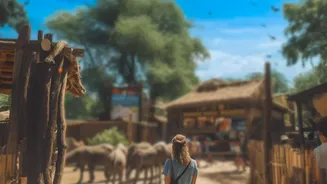
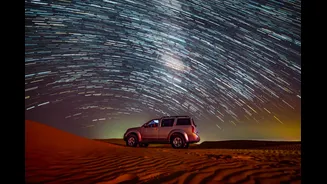
The main attraction will be the international-standard, drive-through night safari, allowing visitors to observe nocturnal creatures in specially designed enclosures that mimic their natural habitats. The facility plans to house around 2,700 animals and birds from nearly 83 different native and exotic species. The desert theme will showcase a fascinating array of Indian species perfectly adapted to arid environments, such as the chinkara, blackbuck, Indian wild ass, caracal, Indian wolf, and desert fox. Alongside these, the park will also feature iconic predators like the Asiatic lion and leopard. The experience is divided into a separate day zoo and five dedicated night safari enclosures, ensuring a comprehensive wildlife adventure.
A Global Ark in the Desert
The vision for the Deesa park extends far beyond Indian fauna. The plan includes bringing in species from other desert ecosystems across the globe, creating a truly international collection. Visitors can look forward to seeing African desert species such as the Angolan giraffe, Grevy's zebra, African lion, cheetah, and the distinctive fennec fox. The park also aims to feature Australian desert natives, including kangaroos, emus, and wallabies. This global approach is complemented by other planned attractions, including a reptile safari, a rainforest biome, an aquarium, and a butterfly park, making it a multi-faceted destination.
Conservation and Sustainability at its Core
Beyond being a tourist attraction, the Deesa project is positioned as a vital centre for conservation. Officials have stated that the facility will focus on conservation breeding programs, wildlife rescue and rehabilitation, and environmental education. This aligns with a modern approach to zoological parks, where entertainment is paired with a strong commitment to protecting wildlife. The project is also being designed with sustainability in mind. Plans include incorporating green technologies like rainwater harvesting, solar energy generation, a sewage treatment plant, and solid waste management systems to minimize its ecological footprint.
Placing Gujarat on the World Stage
While Gujarat is already a renowned wildlife destination, famous for being the last abode of the Asiatic lion in Gir and for the wild asses of the Little Rann of Kutch, the Deesa night safari is a different proposition. It aims to emulate the success of world-famous nocturnal zoos like the one in Singapore, which was the world's first and attracts over a million visitors annually. By creating a unique, desert-themed experience on such a large scale, Gujarat is not just adding another pin to its own map but making a bold bid for a spot on the international wildlife tourism circuit. Its strategic location, with good road and rail connectivity and proximity to other tourist destinations like Ambaji and Nadabet, is expected to make it a flagship attraction for the entire region.