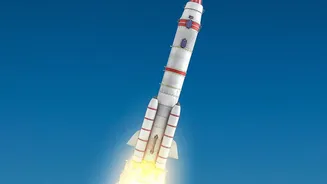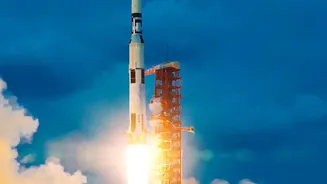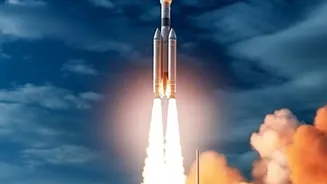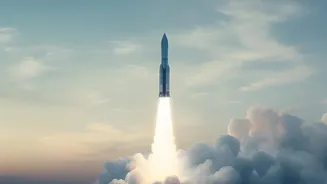

A Revolution in the Making
Every year, World Space Week commemorates two key dates in history: the launch of Sputnik 1 on October 4, 1957, and the signing of the Outer Space Treaty on October 10, 1967. For 2026, the theme 'Rocket Revolution' focuses on the most significant shift
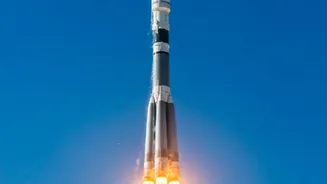
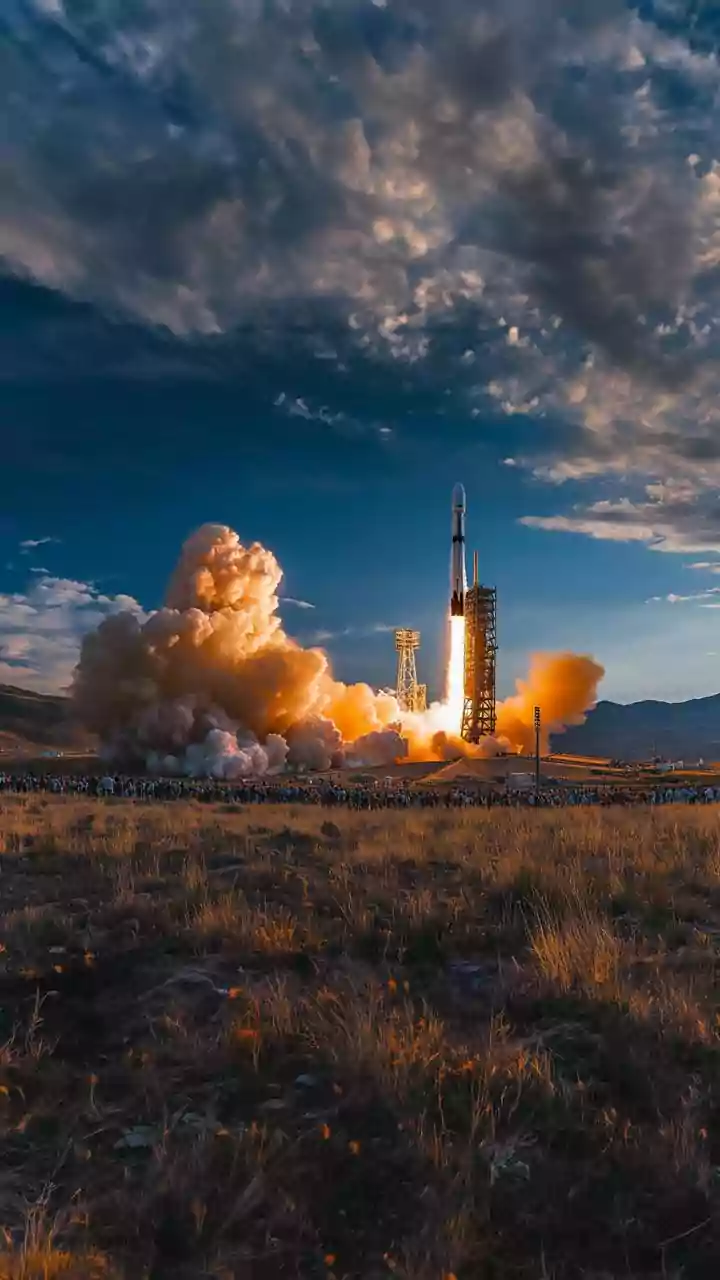
in space exploration since the Apollo era: the radical transformation of launch technology. For decades, space was the exclusive domain of a few government agencies using expensive, single-use rockets. Today, that model is being disrupted by commercial companies, reusable vehicles, and innovative manufacturing, dramatically lowering the cost and increasing the frequency of launches. This revolution isn't just about bigger rockets; it's about making space more accessible for science, business, and exploration than ever before.
The Game-Changer: Reusability
The core of the rocket revolution is reusability. Companies like SpaceX have pioneered rockets whose first stages can fly back to Earth, land themselves, and be refurbished for another flight. This seemingly simple change has fundamentally altered the economics of space access. Instead of building a new vehicle for every single mission, launch providers can now operate more like airlines, reusing their most expensive assets. The cost to place one kilogram of payload into orbit has plummeted, falling over 95% since the early days of spaceflight. This drastic price reduction has unlocked a vibrant ecosystem of satellite-based services for communications, Earth observation, and navigation, while also making ambitious projects like mega-constellations and deep-space missions more feasible.
India's Own Rocket Renaissance
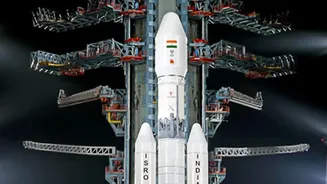
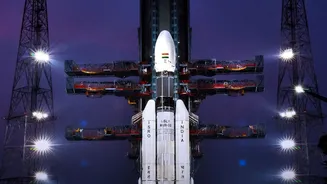
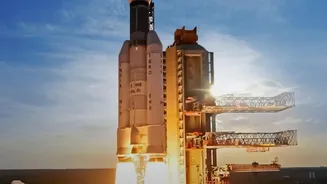
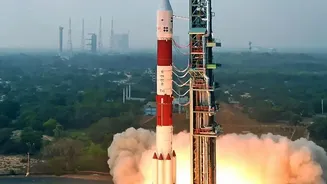
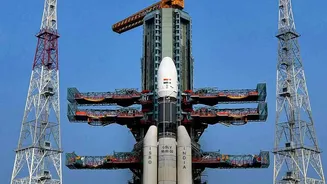
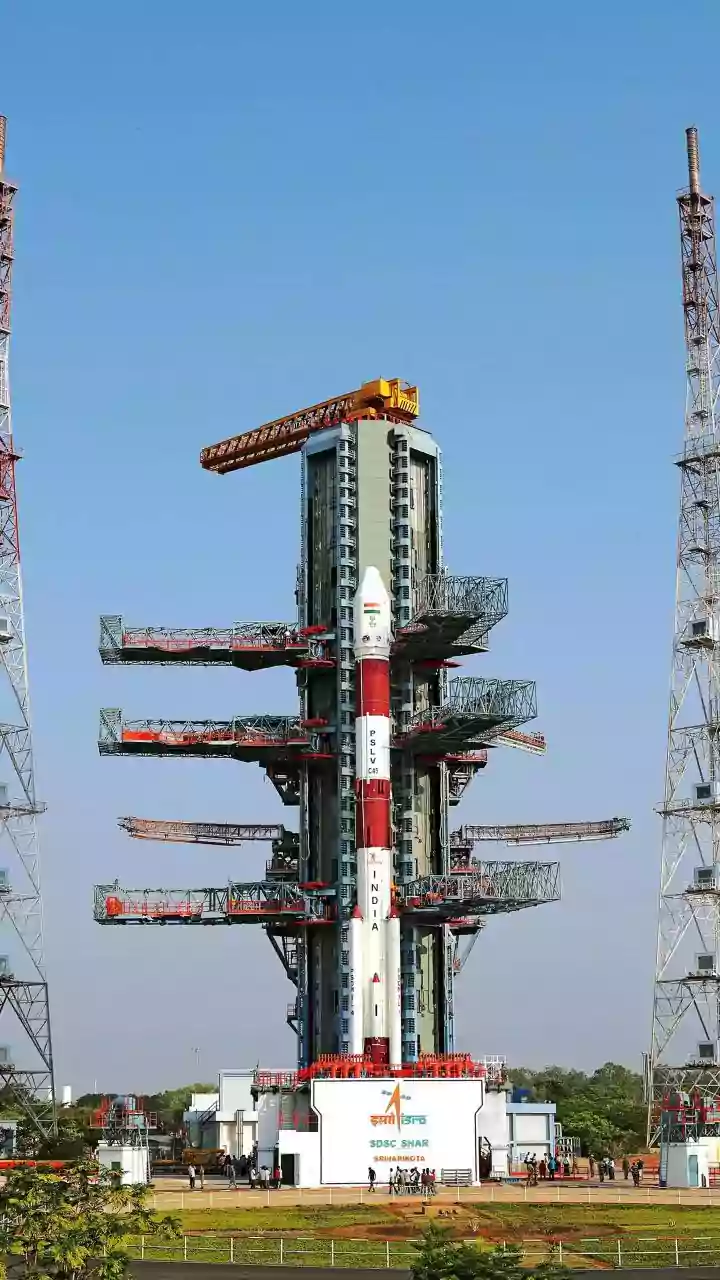
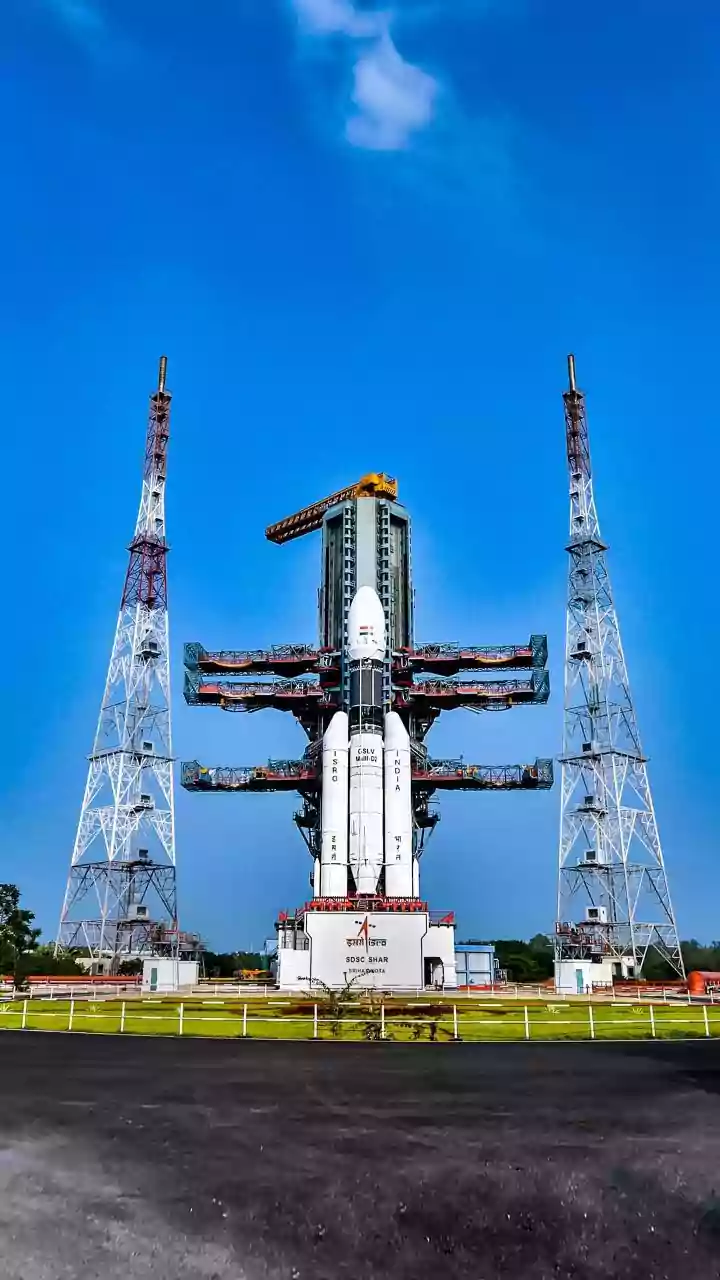
This global revolution has a distinctly Indian chapter. While the Indian Space Research Organisation (ISRO) continues to be a pillar of the nation's space ambitions with its reliable PSLV and powerful LVM3 rockets, a new energy is surging through the private sector. Since the government opened the space domain to private enterprise in 2020, the number of Indian space startups has soared to over 400. The most prominent success story is Hyderabad-based Skyroot Aerospace. In July 2026, its Vikram-1 rocket successfully reached orbit, making India only the third country with a privately developed orbital launch vehicle. The company also achieved unicorn status earlier in the year, signalling strong investor confidence. It is joined by other ambitious firms like AgniKul Cosmos, which is developing 3D-printed rocket engines, proving that India is not just a participant but an innovator in this new era.
ISRO's Vision for the Future
Even as the private sector blossoms, ISRO is pushing the envelope. The agency has a packed schedule for 2026, including crucial test flights for its landmark Gaganyaan human spaceflight programme, which will see an Indian-made rocket carry Indian astronauts to orbit. ISRO is also developing its own reusable launch vehicle (RLV) technology, recognising that mastering reusability is key to remaining competitive and expanding India's launch capabilities. This twin-track approach—nurturing private innovation while pursuing national strategic goals—positions India to become a comprehensive space power, capable of launching everything from small commercial satellites to crewed missions and interplanetary probes.
The Next Launchpad: What's Ahead
The rocket revolution is far from over. The next wave of innovation is already in development. This includes next-generation heavy-lift vehicles capable of carrying over 100 tonnes, which will be essential for building lunar bases and mounting missions to Mars. Engineers are also exploring more sustainable and efficient propulsion, such as methane-based engines, and advanced manufacturing techniques like 3D printing to build rocket parts faster and cheaper. These advancements are not just incremental; they promise another leap in our ability to work and live in space, turning science fiction concepts into engineering reality. Rockets have always been the foundation of space exploration, but the current revolution is ensuring they are also the launchpad for its future.