

More Than a Vacation, It's a Vision
For decades, 'God's Own Country' has been celebrated for its serene backwaters and lush landscapes. But its most enduring contribution to the world of travel is the Responsible Tourism (RT) Mission, a pioneering initiative launched in 2007. The core idea
was revolutionary: to make tourism work for the local people, not just for big operators. This model is built on three pillars: economic responsibility by creating local jobs, social responsibility by respecting culture, and environmental responsibility by preserving the very nature that draws visitors. It was a direct response to the challenges of tourism, such as economic imbalance and environmental strain, aiming to create better places for people to live in and for tourists to visit.
Putting Communities at the Heart of Travel
The true genius of Kerala's model lies in its execution. It’s not about abstract policies but about tangible, community-led experiences. Instead of being passive spectators, residents have become active stakeholders. This is visible in the network of village homestays, where families earn direct income by offering authentic hospitality. It’s in the women-led catering units that supply traditional meals to houseboats and hotels, and in the artisans who are connected with a market for their crafts. The Responsible Tourism Mission has created a framework that empowers thousands of local units and supports the livelihoods of over a hundred thousand families by ensuring the economic benefits of tourism stay within the community.
Always Evolving: The STREET Project and Beyond
What makes Kerala’s story continuously relevant is its refusal to rest on its laurels. The state keeps innovating with projects like STREET (Sustainable, Tangible, Responsible, Experiential, Ethnic Tourism). This initiative develops theme-based streets in villages—like a 'Water Street' focused on conservation or an 'Art Street'—to spread tourism's benefits beyond crowded hotspots and offer visitors a wider range of authentic experiences. The STREET project has already gained global acclaim, winning an award at the World Travel Mart (WTM) in London for its water conservation work. More recently, projects in Beypore and Kadalundi have won national and international awards in 2024 for empowering local communities and setting new standards for village tourism.
A Blueprint That Keeps Winning
The steady stream of accolades confirms the model's success. From WTM awards in London to being named 'Best Future Forward State', Kerala’s RT Mission is consistently recognized on the global stage. In 2024, it bagged national awards for the Best Responsible Tourism Village and Best Agri-Tourism Village. This isn't just about collecting trophies; it's validation that a tourism model centered on sustainability and inclusivity is not only possible but also highly successful. Further cementing its commitment, the RT Mission was recently structured into a government-owned society to better train and support local entrepreneurs, ensuring its principles are embedded for the long term. Adding another layer of safety and support, the state is also introducing 'Green Marshals' at tourist sites to assist visitors, particularly women, and ensure destinations are well-maintained.
The Challenges Ahead
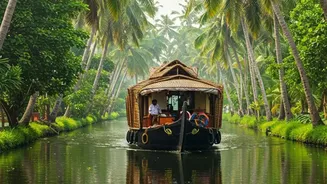
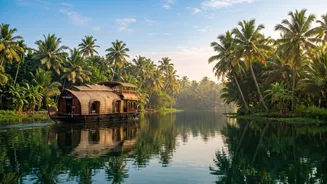
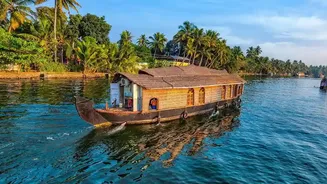
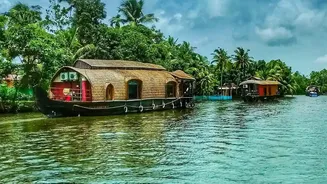
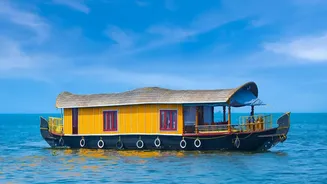
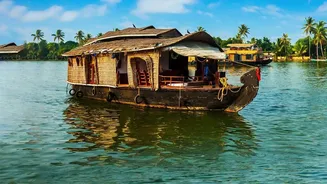
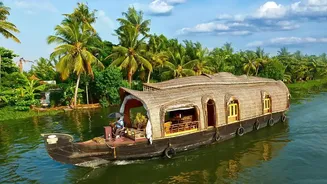
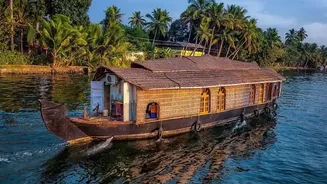
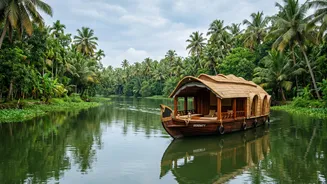
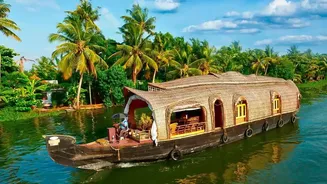
Despite its successes, the journey is not without its challenges. The pressure of over-tourism in popular destinations like the backwaters remains a concern, with issues like water pollution from houseboats and unregulated development threatening fragile ecosystems. Maintaining the authenticity of cultural experiences against commercialization is a constant balancing act. Furthermore, some rural areas still face infrastructural gaps, and the industry's reliance on seasonal tourism can make local incomes unpredictable. State officials and tourism bodies acknowledge these hurdles, understanding that sustainable growth requires constant vigilance, strict enforcement of regulations, and a continued focus on protecting its natural and cultural assets.