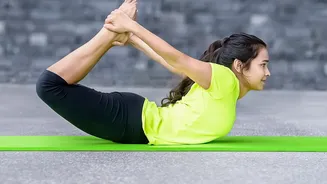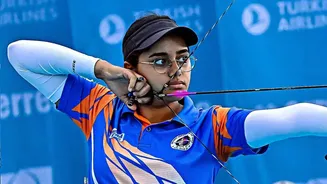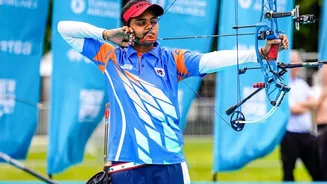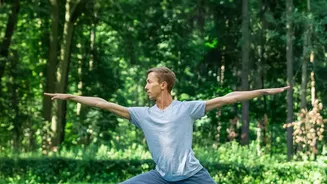






At first glance, the serene quiet of a yoga studio and the focused intensity of an archery range seem worlds apart. Yet, both promise a path to mental stillness. This begs the question: how do these ancient disciplines truly differ in their approach?
Yoga: Cultivating Internal Calm
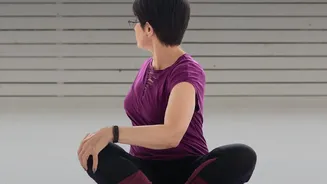
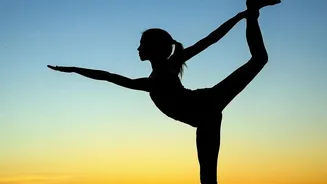
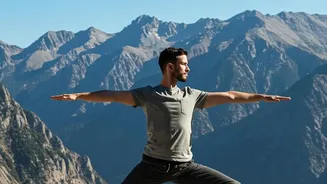
Yoga builds calmness from the inside out. The practice is a holistic system designed to unify the mind, body, and spirit. Through asanas (physical postures), practitioners develop body awareness and release physical tension, which is often a manifestation of mental stress. More importantly, yoga places a profound emphasis on pranayama, or breath control. By consciously slowing and deepening the breath, you can directly influence your nervous system, shifting it from a state of high alert to one of rest and relaxation. This creates a proactive sense of peace that isn't dependent on external conditions. The concentration developed is a form of broad, open awareness—mindfulness—where you learn to observe your thoughts and feelings without judgment.
Archery: Forging External Focus
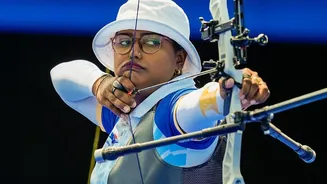
Archery, in contrast, cultivates calmness through an intense, external focus. To be successful, an archer must silence all distractions—both internal chatter and external noise—and channel their entire being toward a single point: the target. This process can be described as a form of active meditation. The repetitive, rhythmic cycle of nocking an arrow, drawing the bow, aiming, and releasing becomes a grounding ritual that stills the mind. The calmness in archery is almost a by-product of the need for precision; you cannot hit a distant target with a trembling hand or a scattered mind. Therefore, the concentration here is a narrow, laser-like beam, demanding the exclusion of everything irrelevant to the task at hand.
The Nature of Concentration: Broad vs. Narrow
The type of concentration each discipline fosters is perhaps their most significant difference. Yoga trains the mind in mindfulness, an expansive awareness that accepts the entire present moment. It teaches you to be with your sensations, thoughts, and environment simultaneously. This is like using a floodlight to illuminate the whole room. In daily life, this skill translates to better emotional regulation and a greater ability to remain centred amidst chaos. Archery, on the other hand, hones pinpoint focus. It forces the brain to filter out all sensory input that does not serve the immediate goal of hitting the target. This is like using a laser pointer. This type of intense concentration is invaluable for tasks that require deep work, problem-solving, and ignoring distractions to achieve a specific outcome.
Applying the Skills: Everyday Calm and Focus
The mental skills learned on the mat and at the range have distinct applications. The broad awareness from yoga is highly effective for managing the multi-faceted stress of modern life. It helps you juggle multiple responsibilities without feeling overwhelmed and improves your ability to be present with family and colleagues. It builds a foundational calm that makes you less reactive to unexpected challenges. The narrow focus from archery excels in performance-oriented situations. It trains you to enter a 'flow state' and execute tasks with precision under pressure, whether it's delivering a presentation, taking an exam, or tackling a complex project. The discipline learned from repeatedly letting an arrow fly, regardless of the previous shot's outcome, also builds immense mental resilience.