









The Problem with Silence
For decades, a quiet cabin was the pinnacle of automotive luxury. Electric vehicles deliver this in spades, but their near-silent operation at low speeds presents two distinct challenges. The first is safety. Pedestrians and cyclists often rely on the sound
of an approaching engine to be aware of their surroundings. In India, the government has recognized this, proposing mandates for an Acoustic Vehicle Alerting System (AVAS) in electric cars, buses, and trucks. This system generates an artificial sound at low speeds (up to 20 km/h) to ensure the vehicle is heard. The second challenge is driver engagement. For many enthusiasts, the roar of an engine, the feedback through the chassis, and the sensation of gear changes are integral to the driving experience. The uniform, quiet acceleration of an EV, while efficient, can feel emotionally detached for those who grew up with the visceral feedback of petrol or diesel cars. This lack of auditory cues can diminish the sense of speed and connection to the machine.
Hyundai's Answer: N Active Sound+
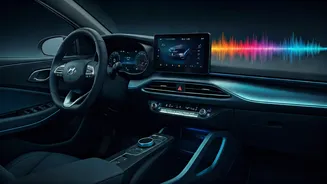
Hyundai is tackling the engagement issue head-on with a suite of technologies designed to give its performance EVs a personality. At the forefront is N Active Sound+, a system that goes far beyond the basic requirements of AVAS. First introduced in the high-performance Ioniq 5 N, this feature is designed to provide a rich, dynamic, and customisable auditory experience. It uses a network of ten speakers—eight inside the cabin and two outside—to create a soundscape that corresponds directly to what the driver is doing. The system processes data like motor speed, torque, and accelerator position to generate a sound that provides crucial feedback and makes the drive more exhilarating. This isn't just about making noise; it's about translating the car's performance into a language the driver can hear and feel.
A Symphony of Synthetic Sound
The N Active Sound+ system offers drivers a choice of three distinct sound profiles, each with a different character. The 'Ignition' theme is a tribute to Hyundai’s internal combustion engine N models, replicating the sound of a high-performance petrol engine, complete with crackles and pops on the overrun. This mode is designed to feel familiar and visceral. The 'Evolution' sound is more futuristic, drawing inspiration from Hyundai's RN22e and Vision Gran Turismo concepts to create a high-tech, performance EV sound. Finally, the 'Supersonic' theme is inspired by jet fighters, delivering a powerful whoosh and even a sonic boom effect during simulated gear shifts. These options allow drivers to tailor the car's acoustic personality to their mood, transforming the vehicle from a silent commuter into a snarling track machine at the touch of a button.
Beyond Sound: Simulating the Feel
To make the experience even more immersive, Hyundai pairs N Active Sound+ with N e-Shift. This technology simulates the feeling of an 8-speed dual-clutch transmission. It creates a physical jolt during upshifts and downshifts by precisely controlling the motor's torque, mimicking the kick you get in a traditional performance car. When used together, these two systems create a convincing illusion. The 'engine' revs rise and fall, the speakers produce pops and bangs, and the driver feels the physical sensation of a gear change. What was initially seen by some as a gimmick has proven to be a popular feature, reintroducing a layer of driver involvement that many thought was lost in the transition to electric power.
The Future of Automotive Sound
Hyundai is not stopping here. The company's global R&D division has confirmed it is already working to make the experience even more realistic for its next generation of EVs, which will be built on a new Integrated Modular Architecture (IMA). Future developments aim to enhance the virtual sounds and even introduce vibrations into the cabin to further simulate the feel of an internal combustion engine. This strategy signals a broader shift in the automotive industry. As the mechanical differences between EVs become smaller, brand identity will be defined by software and user experience. For Hyundai, sound is becoming a key differentiator—a way to build an emotional connection with the driver and define what it feels like to drive a Hyundai performance car in the electric age. While other brands are now developing similar systems, Hyundai is clear that it intends to lead, not follow, in this new frontier of sensory engineering.