



As married women prepare for Karwa Chauth on October 29, 2026, the pre-dawn meal, or Sargi, becomes crucial. This guide offers practical advice on creating a balanced thali to help sustain you through the day-long nirjala fast.
The Meaning of Sargi
Sargi is the traditional
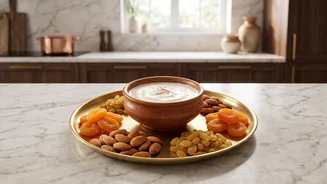
pre-dawn meal eaten before sunrise on Karwa Chauth. Typically prepared by a mother-in-law, it's more than just food; it's a plate filled with blessings for a smooth fast. However, its practical importance cannot be overstated. Since the Karwa Chauth fast involves abstaining from both food and water (nirjala) until moonrise, the Sargi is the only source of hydration and energy for the entire day. Making smart food choices at this meal can significantly impact how you feel, reducing the chances of headaches, fatigue, and intense thirst later in the day. The goal isn't to overeat, but to eat a balanced meal that provides sustained nourishment.
Foundation: Complex Carbs and Protein
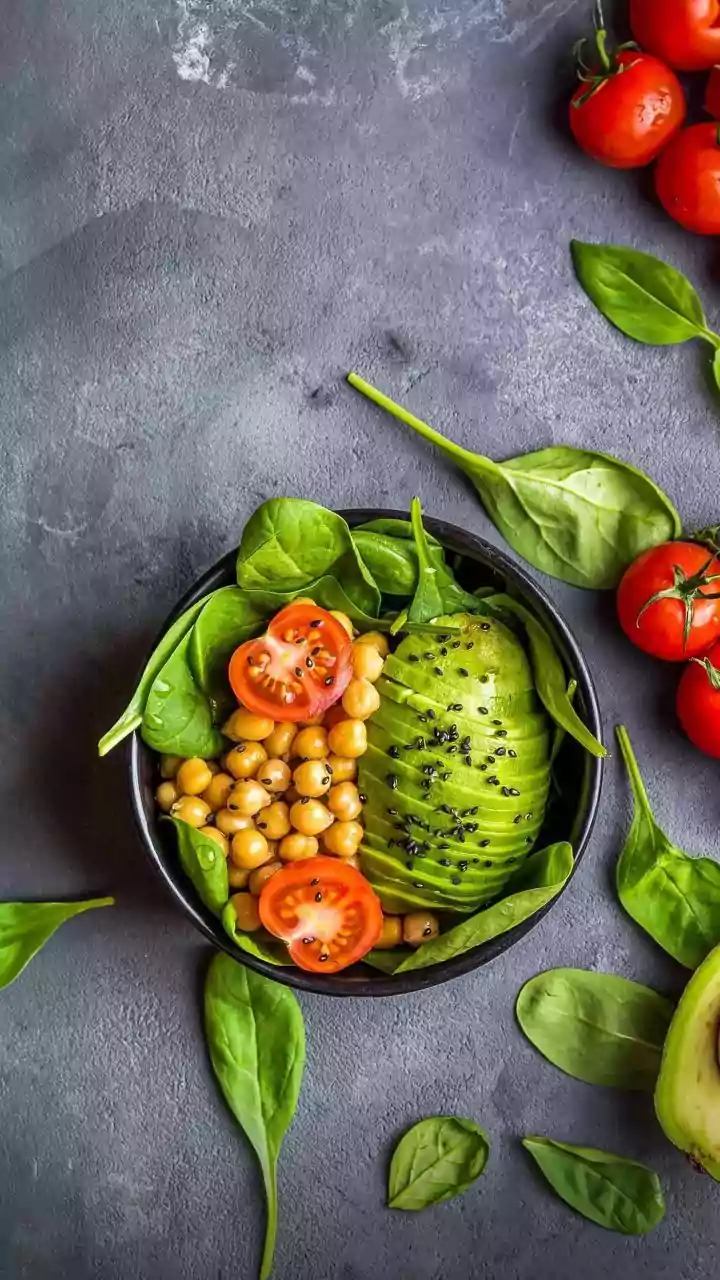
To ensure steady energy, your Sargi should be built on a foundation of complex carbohydrates and protein. Unlike simple sugars that cause a quick energy spike followed by a crash, complex carbs break down slowly. Options like a whole-wheat paratha, a bowl of oats, or poha provide lasting fuel. Paired with high-quality protein, which promotes satiety, you'll feel fuller for longer. Consider including paneer bhurji, a handful of soaked almonds, or a bowl of curd in your thali. A simple combination of dal and roti or a serving of kala chana can also be excellent choices for their protein and fibre content.
Hydration Heroes: Fruits and Fluids
Hydration is arguably the most critical aspect of a comfortable nirjala fast. While you can't drink water after sunrise, you can consume water-rich foods during Sargi. Fruits like bananas, pomegranates, and apples are excellent choices. Bananas are particularly beneficial as they are a good source of potassium, which helps maintain electrolyte balance. Coconut water is another fantastic addition, known for its hydrating properties and minerals. Milk, buttermilk, or lassi also contribute to your fluid intake while providing protein and calcium. It is crucial to drink a few glasses of plain water after your meal but before sunrise to top up your hydration levels.
Foods to Limit or Avoid
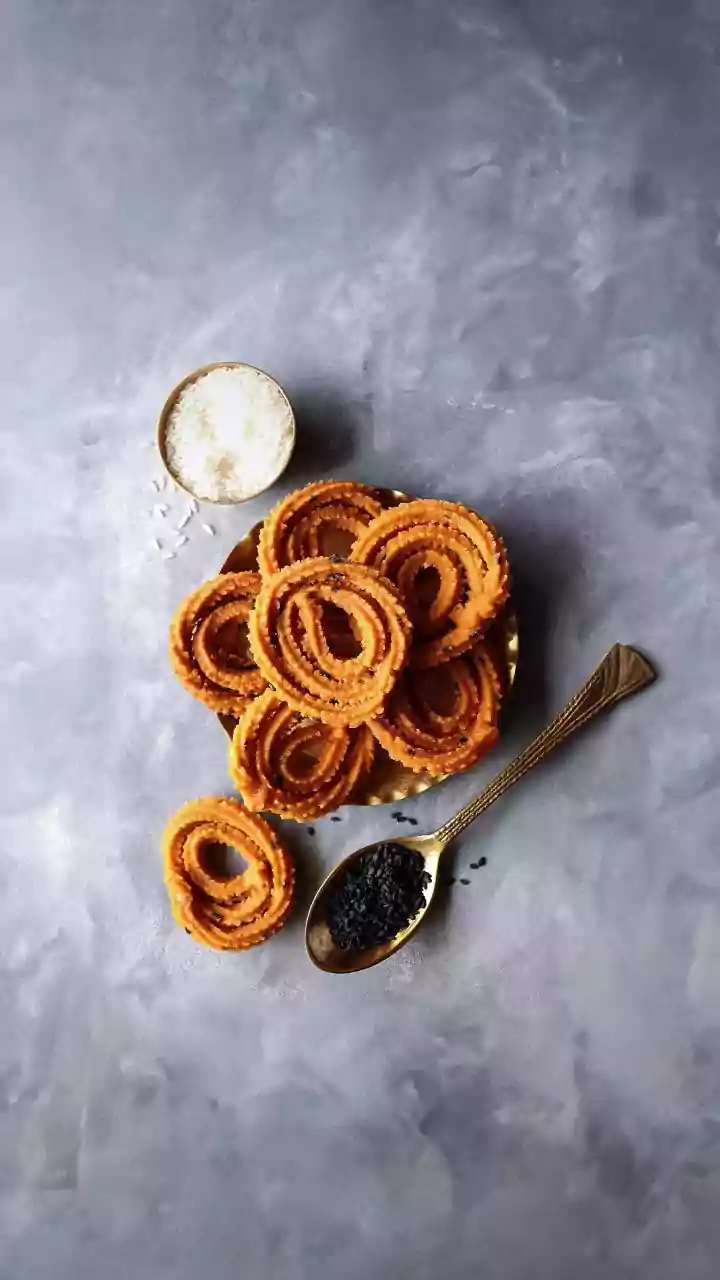
What you don't eat is as important as what you do. Heavily salted foods like pickles, chips, and excess mathri can trigger intense thirst during the day. Similarly, overly sweet items and refined sugar can lead to an energy crash by mid-morning. While traditional Sargi often includes sweets like pheni or mithai, consider them a small part of the meal rather than the main event. Deep-fried foods such as puris and pakoras can feel heavy, cause sluggishness, and may lead to acidity later. It's also wise to limit strong tea or coffee. Caffeine is a diuretic, which means it can contribute to dehydration.
Putting It All Together: A Sample Sargi
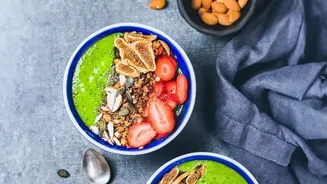
A well-balanced Sargi thali doesn't have to be complicated. Aim for a mix of nutrients. A practical plate could include one small whole-wheat methi paratha, a small bowl of curd, a handful of mixed nuts (almonds and walnuts), and a piece of fruit like a banana or an apple. Accompany this with a glass of milk or coconut water. This combination provides complex carbs, protein, healthy fats, and essential hydration. The key is to listen to your body and eat until you are comfortably full, not stuffed. Remember, the fast is an act of devotion, and preparing your body for it thoughtfully is a form of selfcare.