





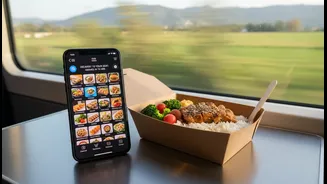


Understanding the Real Risks
The fear surrounding train food isn't entirely baseless, but it's often misdirected. The primary risks in any travel-related food scenario are contamination and improper temperature. Food that is left out for too long in ambient temperatures can become
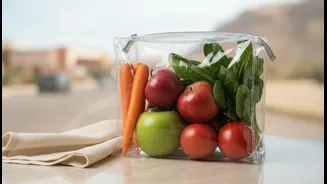
a breeding ground for bacteria. The main culprits are often not the dishes themselves, but how they are stored, handled, and served. Key risks include consuming pre-cut fruits or salads that have been exposed, dishes with gravies that have been sitting at lukewarm temperatures, and using non-potable water or ice. Conversely, food that is cooked fresh and served hot is generally a much safer bet. Sealed packaged snacks and bottled water from reputable brands are also reliable choices to minimise risk.
Pantry Cars and E-Catering: A New Era?
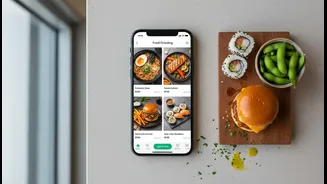
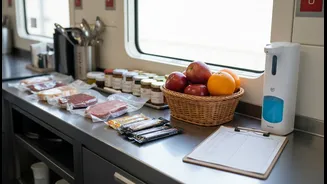
The classic train pantry car has a mixed reputation. While convenient, hygiene standards have historically been a point of concern. However, things are changing. Indian Railways and the Food Safety and Standards Authority of India (FSSAI) have been implementing stricter guidelines for catering services. The game-changer for many has been the rise of IRCTC's official e-catering service. This allows passengers to order meals from FSSAI-approved restaurants at designated stations, which are then delivered to their seats. This offers greater choice and transparency. To stay safe, always use the official IRCTC website or 'Food on Track' app. Recently, IRCTC has cracked down on unauthorised e-catering websites that pose risks of unhygienic food and data fraud, so sticking to official channels is crucial.
Navigating Station Vendors
The short halt at a station platform, with vendors shouting their wares, is a classic part of the Indian rail experience. This is where a little bit of smart selection goes a long way. The safest options are often items that are freshly cooked in front of you at high heat, like samosas, kachoris, or vadas from a busy vendor. Packaged and sealed goods like biscuits, chips, and bottled drinks are almost always a safe harbour. Be wary of items that are sold loose or have been sitting out, especially cut fruits, salads, or anything with chutneys that may have been made with unfiltered water. While many vendors are reliable, you have little information on how the food was prepared and stored. When in doubt, stick to something simple or wait for a better option.
The Art of Packing Your Own Food
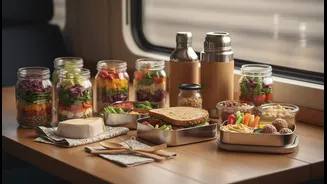
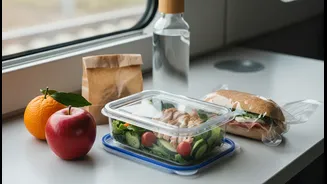
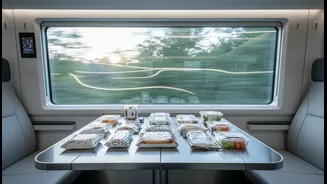
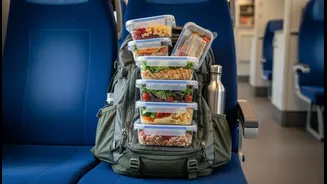
The most reliable way to ensure a safe and satisfying meal is to bring it from home. For the first day of a long journey, home-cooked meals are perfect. Think foods with low moisture content that won't spoil quickly. Classics like theplas, stuffed parathas (with a dry filling), puri with a dry vegetable curry, idlis, and lemon rice are excellent choices. Pack them in airtight containers or wrap them well in foil. For multi-day trips, supplement your home-cooked meals with durable snacks like roasted chickpeas (chana), nuts, dry fruits, and energy bars. These not only provide nourishment but also reduce your reliance on potentially risky food sources along the way.
Hype vs. Reality: Debunking Food Myths
The biggest myth is that all train food is unsafe and will make you sick. While incidents of food poisoning have occurred, millions of passengers eat train food daily without issue. The reality is that making informed choices drastically reduces your risk. Another myth is that you have very limited options. With the advent of e-catering, the menu has expanded significantly, from standard thalis to biryanis and even options for specific dietary needs like Jain meals. The old belief that pantry food quality is universally poor is also outdated; while consistency can vary, there have been significant improvements in quality control and hygiene standards. The key is to shift from a mindset of fear to one of awareness. Instead of avoiding everything, learn to spot the safer, smarter options available.