




A Season of Devotion and Diet
Sawan, or Shravan, is a sacred month dedicated to Lord Shiva, observed with prayers and, for many, fasting—especially on Mondays (Sawan Somvar). This period of spiritual reflection is also marked by a mindful approach to eating. Devotees often adopt a sattvic
diet, consisting of simple, pure vegetarian foods that are believed to calm the mind and body. This traditional diet aligns with the monsoon season, as lighter, freshly cooked meals are easier to digest when the body's digestive fire, or agni, is considered weaker. Foods like grains are often avoided, making way for alternatives like fruits, milk products, and certain vegetables.
The Humble Potato's Sweet Surprise
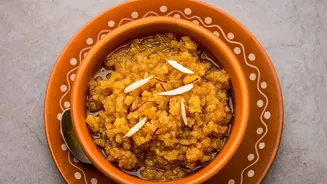
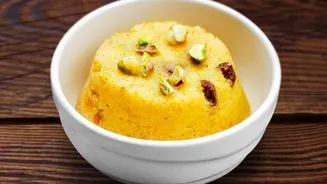
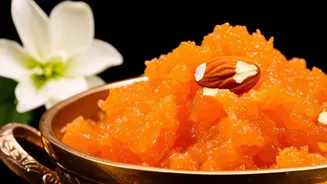
Among the most beloved fasting foods is the versatile potato. Valued for its carbohydrate content, it provides sustained energy during fasts. While commonly seen in savoury dishes, its true magic is revealed when it is transformed into a rich, decadent dessert: Aloo ka Halwa. This sweet pudding, particularly popular in Uttar Pradesh, is a staple during religious fasts like Sawan and Navratri. The process involves sautéing boiled and mashed or grated potatoes in ghee until they release a nutty aroma, then sweetening the mixture to create a dense, melt-in-the-mouth delicacy. The surprising use of a savoury vegetable in a sweet dish showcases the ingenuity of Indian festive cuisine.
The Soul of the Halwa: Fresh Cardamom
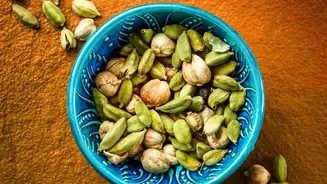
No Indian sweet is complete without the fragrance of green cardamom, and Aloo Halwa is no exception. Often called the 'Queen of Spices', green cardamom provides a complex aroma that is simultaneously floral, citrusy, and warm. For a dish like Aloo Halwa, the choice of cardamom is crucial. While pre-ground powder is convenient, it loses its aromatic potency quickly. Using freshly ground seeds from whole green pods makes a world of difference. When the tiny black seeds are crushed just before use, they release their full spectrum of volatile oils, infusing the warm ghee and potatoes with an intoxicating fragrance that fills the kitchen. This aromatic warmth is the signature of a truly exceptional halwa. Many recipes call for adding the powder near the end of cooking to preserve its fresh, potent character.
Crafting the Perfect Halwa
The art of making Aloo Halwa lies in patience and technique. It begins with boiling potatoes until they are tender. Some cooks prefer grating the boiled potatoes to ensure a smooth, lump-free texture. The next, and most crucial step, is roasting the potatoes in a generous amount of ghee in a heavy-bottomed pan. This must be done on a low to medium flame, stirring continuously until the mixture turns a light golden brown and becomes fragrant. Once roasted, sugar is added, which melts and causes the mixture to become slightly runny before it thickens again. The halwa is ready when it pulls away from the sides of the pan and the ghee begins to separate, giving it a glossy finish.
Finishing Touches and Serving
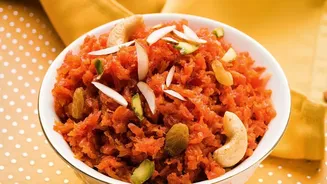
Just before taking it off the heat, the freshly ground cardamom powder is stirred in, along with other optional flavorings like a few strands of saffron steeped in warm milk, which imparts a beautiful golden hue and delicate aroma. Finally, a garnish of chopped nuts like almonds, cashews, and pistachios adds a delightful crunch and richness. Aloo Halwa is best served warm, offering a comforting and spiritually satisfying end to a day of fasting. It’s a dish that nourishes the body while connecting the soul to a season of faith and tradition.