

More Than Just a Mess
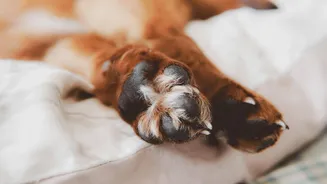
Cleaning your dog’s paws after every walk is a highly recommended habit. Paws act like little mops, picking up everything from simple dirt and allergens to more harmful substances like pesticides, road salt, and bacteria. Regularly cleaning them not only
keeps your home tidier but also prevents your dog from licking and ingesting these potentially toxic materials. It’s also an opportunity to inspect their paws for cuts, thorns, or signs of irritation like redness and swelling. A consistent cleaning routine is a cornerstone of preventative health care for your furry friend.
Good: A Simple Water Rinse
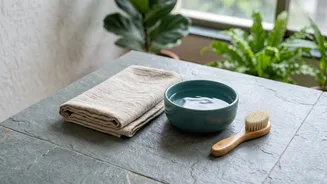
For light dirt or a quick clean, the simplest method is often enough. Soaking a soft cloth in lukewarm water and gently wiping each paw is a cost-effective and straightforward approach. Be sure to clean between the toes and around the pads where debris likes to hide. Afterward, it's crucial to dry the paws thoroughly with a clean towel, as excess moisture left between the pads can lead to skin irritation or bacterial growth. While this method is better than nothing, it may not be sufficient for very muddy paws or for removing stubborn chemical residues.
Better: Pet-Specific Wipes and Tools
For a more convenient and effective daily clean, pet-specific grooming wipes are an excellent choice. These are specially formulated to be gentle on a dog’s skin and are free from harmful chemicals that are safe for your dog to lick. They are perfect for stashing by the door or in your car for immediate use after a walk. For seriously muddy conditions, you might consider a paw washer cup. These silicone-bristled cups are designed to be filled with a small amount of water to scrub away dirt more thoroughly than a cloth. Just be sure to use only clean water, as adding soaps or disinfectants can be harmful.
The Danger Zone: Avoid Household Cleaners
It can be tempting to reach for a household disinfecting wipe, but veterinarians strongly advise against this. Products like Clorox and Lysol wipes contain harsh chemicals that are toxic to pets. Ingredients such as bleach, ammonia, phenols, and isopropyl alcohol can cause chemical burns, skin irritation, rashes, and are dangerous if ingested when your dog licks its paws. Even baby wipes are not a safe alternative; their pH is balanced for human skin, not canine skin, and they can contain fragrances and preservatives that cause irritation or allergic reactions in dogs.
Decoding 'Pet-Safe' Wipes
When choosing a pet wipe, reading the label is key. A good pet wipe should be pH-balanced for a dog's skin and free of harsh chemicals. Look for products that are hypoallergenic and free from alcohol, parabens, sulfates, and artificial fragrances or dyes. Instead, many pet-safe wipes contain gentle, soothing ingredients like aloe vera, chamomile, vitamin E, and coconut oil. For dogs with skin issues, some medicated wipes contain ingredients like chlorhexidine to address bacteria or yeast, but these should be used as directed by a veterinarian.
Making It a Positive Routine
Some dogs are sensitive about having their paws touched. If your dog is hesitant, it's important to introduce paw cleaning slowly and positively. Start by simply touching their paws gently when you are relaxing together, rewarding them with treats and praise. Keep initial cleaning sessions brief. Over time, most dogs will become comfortable with the routine, especially if it’s associated with a positive reward like a small treat. Establishing a consistent spot for cleaning, like just inside the door, helps your dog learn what to expect, making the process smoother for both of you.