




The Market Enters a New Era
For years, the story of electric vehicles in India was one of potential. Now, that potential is turning into performance. The market is moving past the 'early adopter' phase, where a small group of pioneering buyers drove sales. Today, we're seeing the 'early majority'
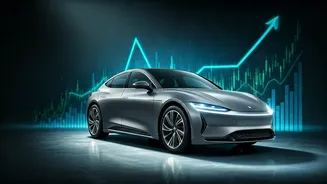
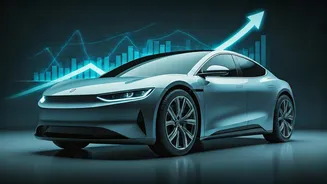
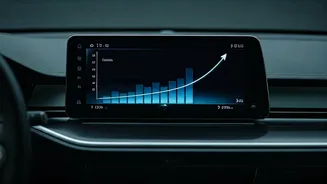
step in—practical consumers who purchase new technology only after it has proven its worth. Major automakers have stated that the Indian EV market has crossed an inflection point, with demand now beginning to outpace supply. Sales figures reflect this shift, with monthly registrations climbing significantly in 2026. Projections show that annual electric passenger vehicle sales are expected to cross 300,000 units for the first time this year.
Policy and Price Drive Demand
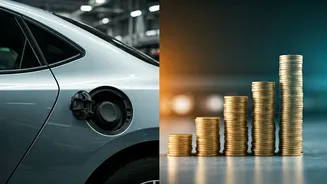
A key driver of this growth has been a concerted push from the government. Initiatives like the FAME (Faster Adoption and Manufacturing of Electric Vehicles) scheme, along with state-level subsidies, have been crucial in lowering the high upfront cost of EVs. These incentives reduce the final price for consumers through direct subsidies and waivers on road tax and registration fees. Coupled with persistently high petrol and diesel prices, the lower running cost of an EV—at a fraction of that for a conventional car—makes the total cost of ownership increasingly attractive to budget-conscious buyers.
More Choices for More People
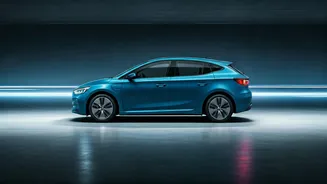
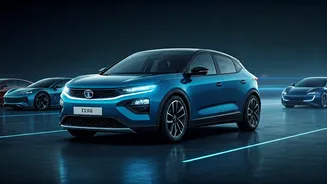
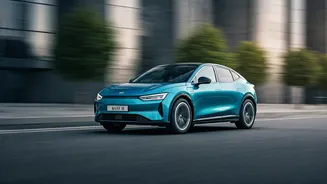
For the longest time, choice in the EV market was limited. That has changed dramatically. The number of available electric passenger vehicle models has doubled in the last two years and is projected to grow even further, with many new launches concentrated in the more affordable sub-Rs 15 lakh segment. Automakers like Tata Motors and Mahindra are leading the charge with a diverse portfolio that includes compact SUVs, sedans, and hatchbacks. Even Maruti Suzuki, a long-time leader in internal combustion engines, has entered the fray. This expansion means more consumers can find an EV that fits their budget and needs, particularly as the market shifts from being hatchback-led to one dominated by popular SUV formats.
The New EV Buyer
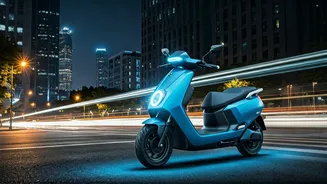
The profile of the Indian EV owner is also changing. It's no longer just a resident of a metro city. A significant wave of adoption is now happening in Tier-2 and Tier-3 cities like Jaipur, Lucknow, Nagpur, and Coimbatore. In these areas, electric two-wheelers and three-wheelers have become particularly dominant, thanks to their affordability and suitability for shorter commutes. The expansion of dealerships and growing awareness are helping to build consumer confidence outside the major urban centers, creating a broader, more diverse customer base.
Charging Forward, With Hurdles
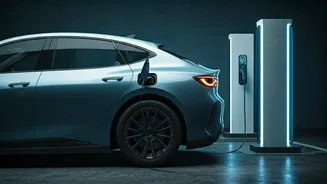
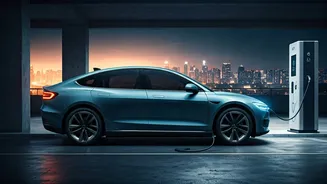
Range anxiety has been a major barrier to EV adoption, but the rapid expansion of charging infrastructure is starting to ease those fears. India has seen a nearly six-fold increase in public charging stations since 2022, with over 29,000 now installed. However, challenges remain. The charger-to-EV ratio is still far from global benchmarks, and the distribution of these stations is uneven. Furthermore, issues like non-operational chargers and a dependence on imported battery components present significant hurdles. The high initial cost of some models also remains a constraint for many potential buyers.