

Start Bone Dry
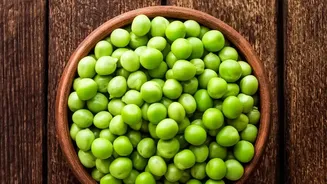
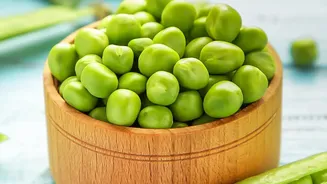
The number one enemy of crispiness is moisture. If your peas have any surface water, they will steam instead of roast, resulting in a soft texture. Whether you're using frozen or fresh peas, this first step is non-negotiable. For frozen peas, thaw them
completely first—you can run them under warm water for a minute or two. Then, spread them on a clean kitchen towel or paper towels and pat them as dry as you can, being gentle enough not to mash them. For an extra-crispy guarantee, let them air-dry on the towel for another 30 minutes to allow any remaining moisture to evaporate.
Embrace a Little Starch
One of the most effective tricks for a guaranteed crunchy coating on anything from fries to vegetables is a light dusting of cornstarch. Cornstarch is brilliant at absorbing any lingering surface moisture and creates a dry, thin layer that crisps up beautifully in the oven or air fryer. Before you add any oil or seasonings, place your thoroughly dried peas in a bowl and toss them with a very small amount of cornstarch—about a tablespoon for every two cups of peas is a good starting point. Shake the bowl to ensure each pea is lightly and evenly coated. This creates a shell that fries to a perfect, audible crunch.
Choose Your Oil Wisely
Not all oils are created equal when it comes to high-heat roasting. You need an oil with a high smoke point, which is the temperature at which it begins to break down and smoke. Oils like avocado oil, grapeseed, or even a quality extra virgin olive oil are excellent choices for roasting, as they can handle temperatures around 400°F (about 200°C) without burning. Using a good quality oil does more than just prevent burning; it also conducts heat effectively and adds flavour, helping to create that desirable crisp exterior while keeping the inside tender. Be sure to coat the peas evenly but don't drown them; too much oil can make them greasy and soft.
Give Them Space
Overcrowding the baking sheet is a classic cooking mistake that leads to soggy results. When peas are packed too closely together, they trap steam, effectively steaming each other instead of roasting in the dry heat of the oven. To achieve maximum crispiness, spread your peas in a single, even layer on a large, rimmed baking sheet. Make sure there is plenty of space between each pea for hot air to circulate freely. If you're making a large batch, it's far better to use two baking sheets than to cram them all onto one. This breathing room is essential for moisture to escape, allowing the peas to dehydrate and turn crispy.
Master Your Seasoning Timing
When you add your salt and seasonings can make a surprising difference. Salt naturally draws moisture out of food. If you salt your peas too early, they might release water before they have a chance to crisp up. While some recipes call for seasoning with the oil, a great hack is to apply most of your salt or salty seasoning blends towards the end of the cooking process or immediately after they come out of the oven. This way, you get all the flavour without compromising the texture you've worked so hard to achieve. For powdered spices like garlic powder, paprika, or curry powder, mixing them with the oil beforehand works well to create a flavourful coating.
Cooling Is a Crucial Step
The crisping process doesn't actually stop the moment you take the snacks out of the oven. In fact, many roasted snacks become significantly crunchier as they cool. However, how you cool them matters. Don't leave them to sit on the hot baking sheet, and avoid piling them onto a plate immediately. Trapped heat creates steam, which will soften the snacks. The best method is to transfer the hot peas to a wire cooling rack. This allows air to circulate all around them, letting them cool and dry out completely for that perfect, lasting crunch.