






The Great Transition: From Monsoon to Autumn
September marks a significant shift in India's climate. The heavy rains begin to subside, but the humidity often lingers, and the soil is still saturated. This period, known in the Indian calendar as the Bhadra-Ashvin transition, brings pleasantly warm
days and the promise of cooler weather ahead. For a gardener, this isn't a time for rest. It's a strategic moment to address the consequences of the monsoon—like waterlogged soil and rampant growth—and prepare for the upcoming cool, dry season. The residual moisture in the ground, combined with milder temperatures, creates an ideal environment for a new wave of planting.
Foundation First: Reviving Post-Monsoon Soil
Months of rain can wreak havoc on garden soil, leaving it compacted, waterlogged, and stripped of essential nutrients. The first and most crucial task in September is soil revival. Start by allowing waterlogged pots and beds to dry out slightly. Gently loosen the top layer of compacted soil with a hand fork to improve aeration and help plant roots breathe again. Ensure drainage holes in pots are clear. This is also the perfect time to replenish the nutrients washed away by the rains. Amending the soil with a generous layer of well-rotted compost, vermicompost, or organic manure will restore its fertility and structure, setting the stage for healthy new growth.
Sowing the Seeds of a Winter Bounty
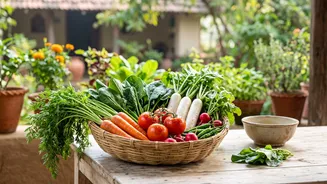
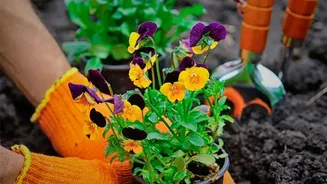
With the soil prepared, September becomes the prime sowing season for a vast array of winter vegetables, flowers, and herbs. This is the ideal time to plant cool-season crops that will flourish in the coming months. For your kitchen garden, consider sowing seeds of spinach (palak), carrots (gajar), radish (mooli), beetroot (chukandar), cauliflower (phoolgobhi), cabbage (pattagobhi), and peas (matar). Leafy greens like lettuce and herbs such as coriander (dhaniya) and parsley, which tend to bolt in the summer heat, thrive in the milder autumn weather. It's also the perfect window to sow winter-blooming flowers like marigolds, pansies, petunias, calendula, and sweet peas for a colourful display that will last through the coldest months.
Pruning, Pests, and Proactive Care
The monsoon often encourages lush but chaotic growth. September is the time for a much-needed haircut. Prune away any yellowing or dead leaves, spent flowers, and weak, overcrowded stems from your plants. This not only tidies up the garden but also improves air circulation, which is crucial for preventing fungal diseases that thrive in the lingering humidity. Keep a close eye out for pests like aphids and mites, and fungal issues like powdery mildew. A weekly spray of neem oil can serve as an excellent preventative measure. By managing these issues now, you ensure your new and existing plants enter the winter season healthy and strong.
A Tale of Two Climates: North vs. South
India's diverse climate means September gardening strategies can vary by region. In North India, this month is all about preparing for a distinct, cool winter. The focus is squarely on sowing winter vegetables like carrots, peas, and spinach, alongside classic winter flowers like petunias and pansies. In the hilly regions, where frost arrives earlier, gardeners should prioritize cold-hardy plants like cabbage and kale. Conversely, in South India, where temperatures remain warmer and rainfall might continue, the focus is on quick-growing vegetables like radish and amaranth, as well as heat-loving herbs. Understanding your local climate is key to making the most of this transitional month.