





Part 1: Dust Surfaces from Top to Bottom
The golden rule of dusting is to work from top to bottom. This ensures you are working with gravity, not against it, so dust from higher areas falls onto lower ones that you haven't cleaned yet. Start with ceiling fans, the tops of bookshelves, light
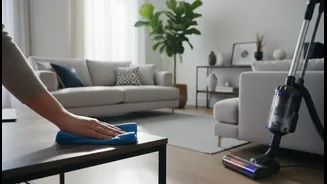
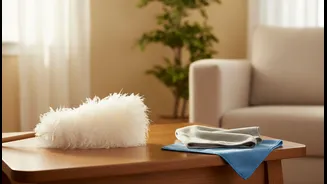
fixtures, and picture frames. Instead of using a dry rag or feather duster that just pushes dust around, opt for a microfiber cloth. Microfiber is electrostatically charged, meaning it attracts and traps dust particles instead of scattering them into the air. For extra effectiveness, you can slightly dampen the cloth with water or a cleaning spray. Work your way down to tables, countertops, and other furniture, clearing items off surfaces for a thorough wipe-down rather than dusting around them.
Part 2: Address Dust-Clinging Textiles
Fabrics are major dust magnets. Bedding, curtains, throw pillows, and upholstered furniture trap dust, skin cells, and other allergens. Make washing your bedding in hot water a weekly habit to kill dust mites and wash away buildup. For items you can't easily wash, like heavy curtains or sofas, regular vacuuming is essential. Use your vacuum’s upholstery attachment to clean couches and chairs, paying close attention to seams and crevices where dust accumulates. For curtains and blinds, a vacuum with a soft brush attachment is effective. Don't forget to take items like throw pillows and rugs outside for a vigorous shake or beating to dislodge trapped dust.
Part 3: Finish with a Thorough Floor Cleaning
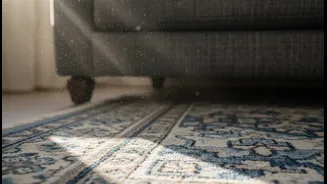
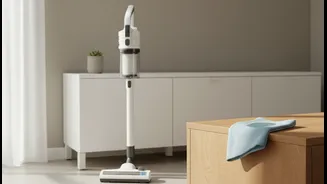
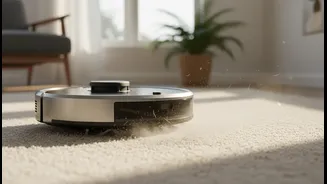
The floor is the final destination for all the dust you’ve dislodged from above, so cleaning it should always be the last step. Simply sweeping can kick more dust back into the air. Instead, vacuuming is the preferred method for both carpets and hard floors. For maximum efficiency, use a vacuum cleaner equipped with a HEPA (high-efficiency particulate air) filter. A HEPA filter is crucial because it can trap very small particles, including pollen and other allergens, preventing them from being recirculated into the room. Vacuum slowly to allow the machine time to pick up debris deep within carpet fibers. After vacuuming hard floors, follow up with a damp mop or a treated dust mop to capture any lingering fine dust.
Part 4: Clear Airborne Dust Particles
Even after you’ve cleaned every surface, microscopic dust particles remain suspended in the air. Managing these requires a different set of tools. Regularly changing the air filters in your home's heating and cooling system is a critical first step. A clogged filter can no longer do its job and may contribute to circulating dust. For targeted, continuous cleaning, consider an air purifier, especially in bedrooms or living rooms where you spend the most time. An air purifier with a HEPA filter will continuously pull fine dust, dander, and other irritants from the air. Finally, managing humidity can also help; keeping levels between 40-50% can prevent the air from becoming too dry, which can make dust cling to surfaces more easily due to static.