



Why Your Morning Meal Matters
Breakfast is a critical meal for everyone, but it’s especially important for managing blood sugar. After an overnight fast, your body needs fuel. A breakfast high in refined carbohydrates and sugar can cause a rapid spike in blood glucose, followed by
a sharp crash. This leaves you feeling tired, foggy, and craving more sugar mid-morning. Conversely, a balanced breakfast rich in protein and fibre slows down the absorption of sugar. This leads to a more gradual rise and fall in blood glucose, providing sustained energy and better appetite control throughout the day. Studies show that eating a proper breakfast can even improve your body's insulin response to your next meal, a phenomenon known as the 'second meal effect'.
Moong Dal or Besan Chilla
These savoury pancakes are a powerhouse of nutrition and incredibly quick to make if you plan ahead. Both moong dal (split yellow lentils) and besan (chickpea flour) are excellent sources of protein and fibre with a low glycemic index, meaning they help keep blood sugar levels stable. You can prepare the batter by soaking and grinding moong dal the night before, or simply mix besan with water and spices in the morning. To boost the fibre and nutrient content, add finely chopped vegetables like onions, tomatoes, spinach, or grated carrots directly into the batter. Served with a side of plain curd or mint chutney, two medium-sized chillas can provide a substantial 10-15 grams of protein.
Paneer or Tofu Bhurji
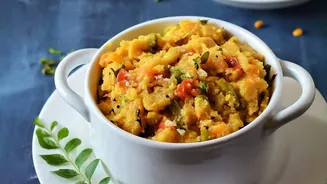
For a high-protein breakfast that cooks in under 10 minutes, look no further than a bhurji, or scramble. Paneer (Indian cottage cheese) and tofu are packed with protein, which promotes satiety and helps manage blood sugar. Simply crumble the paneer or tofu and sauté it with onions, tomatoes, green chillies, and a pinch of turmeric. This dish is incredibly versatile; you can enjoy it on its own, with a slice of whole-wheat toast, or wrapped in a single whole-grain roti for a more complete meal. A 100g serving of paneer bhurji can offer around 18-20 grams of protein, making it one of the most effective breakfast options for staying full and focused.
Savoury Oats Upma
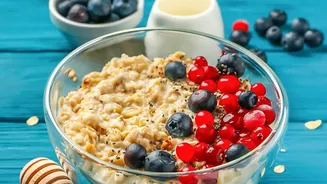
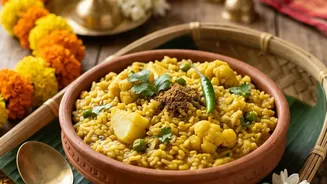
While sweet instant oatmeal can be a sugar trap, savoury oats are a fantastic, fibre-rich option. Oats contain a type of soluble fibre called beta-glucan, which is known for slowing digestion and preventing sharp glucose spikes. For a quick upma, cook rolled oats (not the instant kind) with chopped vegetables like carrots, peas, and beans. You can use pre-chopped frozen vegetables to save even more time. Tempering the dish with mustard seeds and curry leaves adds a traditional Indian flavour. To increase the protein content, toss in a handful of roasted peanuts or some crumbled paneer towards the end of cooking.
Sprouts Chaat
This is a minimal-cook breakfast that is refreshing, crunchy, and incredibly healthy. Sprouted legumes, such as moong beans or chickpeas, are rich in protein, fibre, and essential nutrients. The sprouting process also makes them easier to digest. To prepare, lightly steam the sprouts for a few minutes to soften them slightly. Then, toss them with chopped cucumber, tomato, and onion. A squeeze of lemon juice and a sprinkle of chaat masala complete the dish. For an extra protein boost, you can add cubes of fresh paneer. This chaat is a low-calorie, high-nutrient option that can be prepared in minutes if you keep sprouts handy.
The Smart Upgrades
You don't always need to make a new dish from scratch. Sometimes, a simple upgrade to your regular breakfast is all it takes. If you enjoy poha or upma, significantly increase the amount of vegetables and add a protein source like roasted peanuts, seeds, or a side of curd. If you eat idli, which is primarily carbohydrate, always pair it with a generous portion of protein-rich sambar (which contains lentils) rather than just chutney. Choosing millets like ragi for dosas or idlis instead of white rice also increases the fibre content, which helps in better blood sugar management. The goal is to ensure every meal has a balance of protein, fibre, and complex carbohydrates.