


A Tale of Two Ices
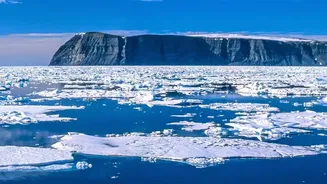
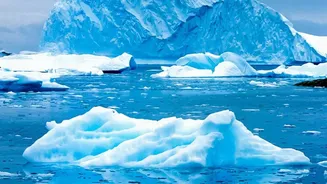
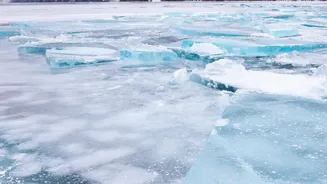
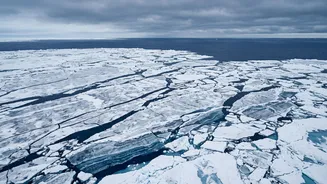
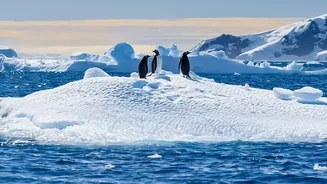
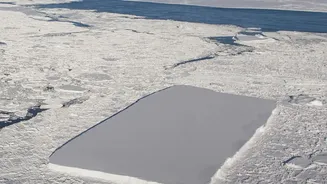
To understand the threat, it’s important to distinguish between two types of ice. First, there's sea ice, which is frozen ocean water that forms and melts seasonally. Its melting doesn't directly raise sea levels, just as a melting ice cube in a glass
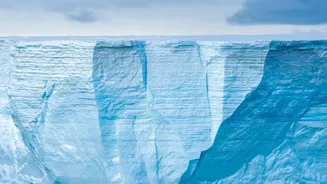
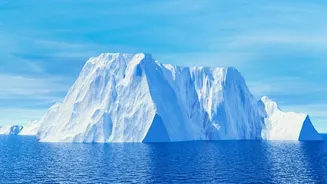
doesn't make it overflow. Then there are ice shelves: vast, floating platforms of freshwater ice that are connected to land-based glaciers. These shelves act like a cork in a bottle, holding back the immense glaciers behind them. If an ice shelf collapses, the glacier it was restraining can flow much faster into the ocean, directly contributing to global sea level rise.
The Ocean's Hidden Power
The Southern Ocean can be a violent place, home to powerful waves and swells that travel for thousands of kilometres. Under normal conditions, a wide band of sea ice acts as a natural breakwater. This frozen layer dampens the energy of incoming waves, protecting the vulnerable edges of the ice shelves. Think of it like a floating shield, absorbing the punches of the ocean before they can land on the continent's permanent ice structures. This protective buffer is crucial for the stability of the ice shelves, which are constantly under pressure from the glaciers behind them and the ocean below.
When the Shield Disappears
In recent years, huge swathes of this protective sea ice have failed to form, with winter maximums hitting repeated record lows. This leaves the ice shelves exposed. Without the sea ice buffer, powerful ocean swells can travel right up to the face of an ice shelf, hammering it with relentless energy. This constant flexing and bending creates small fractures in the ice. Over time, these cracks can grow, weakening the entire structure from the outside in. Studies have shown that major calving events—where huge icebergs break off—are often preceded by prolonged periods of low sea ice cover.
A Double-Edged Sword
The danger is compounded by what’s happening from below. Warmer ocean currents are increasingly finding their way beneath the ice shelves, melting them from the bottom up. This thinning from below makes the shelves even more susceptible to the battering from waves on the surface. It's a two-front attack: the ocean erodes the base, while waves fracture the weakened exterior. Scientists have observed that this combination of enhanced melting and calving is likely to accelerate the disintegration of critical ice shelves, such as West Antarctica's Pine Island Glacier shelf, which holds back enough ice to raise global sea levels by half a metre.
Why This Matters Globally
The fate of Antarctica's ice shelves is not a distant, isolated issue. These structures buttress some of the largest ice sheets on Earth, which hold enough water to raise global sea levels by many metres. The collapse of a major ice shelf, like the one supporting the Thwaites or Pine Island glaciers, could trigger an irreversible, multi-century process of accelerated ice flow into the ocean. This would have catastrophic consequences for coastal communities around the world, from Mumbai to Miami. The loss of sea ice, therefore, is more than just a symptom of climate change; it's an active accelerant, pushing these vital planetary systems closer to a dangerous tipping point.