


The Valley of the Gods
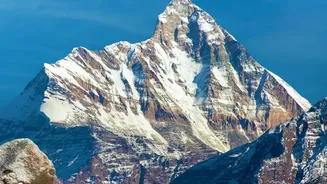
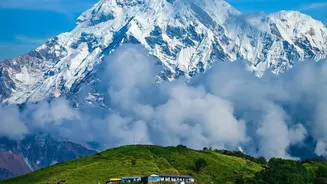
The journey begins near Manali in Himachal Pradesh, a region steeped in natural beauty and mythology. The trail's destination, the 6,001-metre Deo Tibba peak, is traditionally considered the gathering place of the gods. This trek doesn't aim for the summit
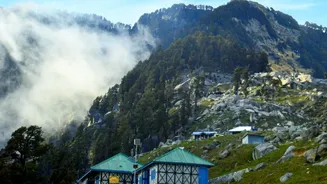
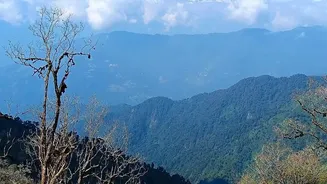
but takes you to its base camp, offering a profound connection to the Pir Panjal range. Unlike some of the more commercialised treks, the Deo Tibba route retains a pristine charm, offering a genuine wilderness experience. The path starts from the ancient village of Jagatsukh, once the capital of the Kullu kingdom, and winds its way up through the Duhangan valley, immediately immersing you in a world of dense pine and oak forests.
A Trek Through Shifting Landscapes
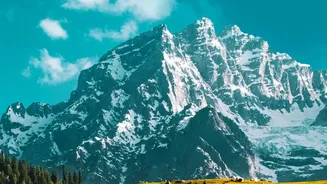
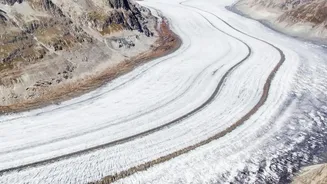
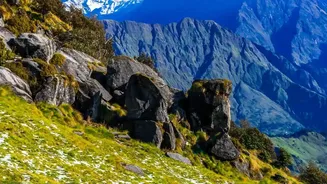
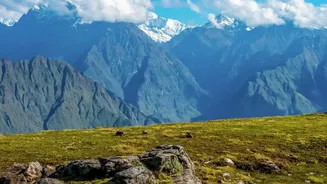
One of the most captivating aspects of the Deo Tibba trek is its sheer diversity of terrain. Over a typical six-day itinerary, the landscape transforms dramatically. The first leg of the journey takes you from the trailhead to Chikka, a tranquil meadow campsite beside the gurgling Jagatsukh Nala. From there, you leave the treeline behind and ascend to the expansive meadows of Seri. This vast, flat plateau was once a glacial lake and in summer, it's a carpet of wildflowers. The challenge increases as you trek towards Tainta, navigating glacial moraines and rocky terrain. The reward is the close-up view of Deo Tibba's hanging glaciers and the imposing presence of the nearby Indrasan peak.
The Challenge and its Breathtaking Reward
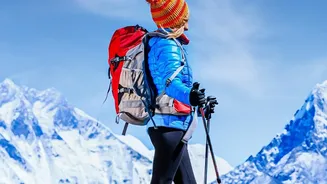
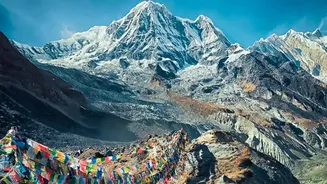
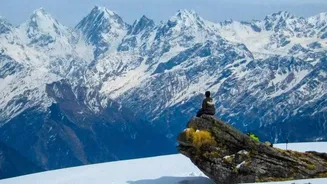
Classified as a moderate to challenging trek, Deo Tibba is ideal for those with some prior hiking experience. The trail reaches a maximum altitude of around 4,480 metres at the Mini Chandratal, a stunning emerald lake nestled in a glacial depression. The journey requires a good level of fitness to handle long walking days and steady altitude gain. The most demanding sections involve navigating scree and moraine fields near the base camp. The ultimate reward for this effort is the unparalleled panoramic view from the area around Mini Chandratal, which offers a breathtaking vista of Deo Tibba, Indrasan, and the vast Pir Panjal and Great Himalayan ranges.
Why Solitude Still Reigns Here
In an age where famous Himalayan trails can feel overcrowded, Deo Tibba offers a welcome respite. Its 'quieter' reputation stems from a few factors. The trek is more demanding than short hikes around Manali, which naturally filters the crowds to more committed trekkers. Furthermore, it doesn't have the same global name recognition as routes like the Hampta Pass, its nearby cousin. While Hampta Pass is famous for the dramatic crossover between the green Kullu valley and the arid landscape of Lahaul, Deo Tibba is an immersion into a high-altitude alpine environment, culminating in the serene beauty of Chota Chandratal. This makes it a preferred choice for those seeking isolation and an unspoiled connection with nature.
Planning Your Himalayan Escape
The best time to undertake the Deo Tibba trek is during the pre-monsoon season from May to June, when the meadows are lush with wildflowers, or post-monsoon, from September to October, when the skies are clear and the weather is stable. The trek starts near Manali, which is well-connected by road. Given the altitude and terrain, it is highly recommended to go with an experienced guide or a reputable trekking agency. They will handle logistics like permits, camping equipment, and ensure proper acclimatisation, which is crucial for a safe and enjoyable journey at these altitudes.