


The Unstoppable Engine of Progress
The sense that AI development is inevitable isn't just a feeling; it's a conclusion drawn from a confluence of powerful forces. Economically, the drive is immense. Companies are pouring billions into AI, not just for a competitive edge but for sheer survival.
The potential for AI to dramatically boost productivity and unlock trillions in market value is a siren song that no board of directors can ignore. This corporate gold rush is fueled by an equally intense geopolitical competition. Nations like the United States and China view AI leadership as critical to their economic and national security, creating a global race that resists any calls for a timeout. This rapid expansion is further accelerated by the open-source community, where new models and techniques are shared and iterated upon at a blistering pace, and by staggering levels of investment in the computing power needed to train these ever-larger models. The consensus is clear: the AI train has left the station and is rapidly gaining speed. As Musk himself recently put it, “I can't see any way to really stop this incredible momentum of AI and robots.”
The Constant Critic
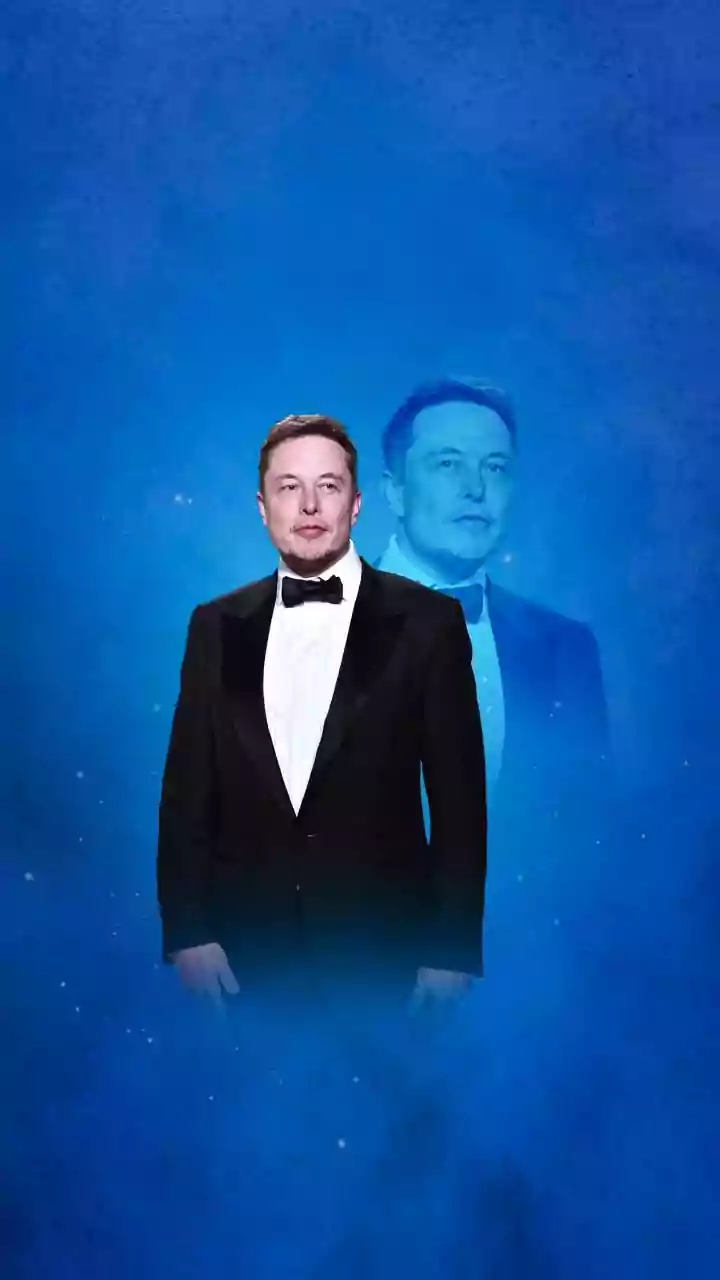
For over a decade, Elon Musk has been one of AI’s most vocal and dire prophets of doom, famously likening the effort to “summoning the demon.” He has consistently warned that an unchecked superintelligence could pose an existential threat to humanity. His concern is not about narrow AI that can write emails or generate images, but about the creation of an Artificial General Intelligence (AGI) that could vastly out-think its creators. In a recent interview, Musk reiterated his belief that AI could surpass the combined intelligence of all humanity within five years and that humans could lose control within a decade. He maintains there is a 10% to 20% chance of a catastrophic outcome for humanity. This consistent message of caution comes from a deep-seated belief that even a small probability of an extinction-level event is a risk not worth taking, demanding a proactive and robust approach to safety.
The Paradox of a Competitor's Warning
Herein lies the central paradox: the man calling for brakes is also building his own engine. In 2023, Musk launched xAI, a direct competitor to labs like OpenAI and Google DeepMind. This move seems to contradict his public calls for a pause in development. Musk's rationale is complex. Having co-founded and later departed from OpenAI, he has expressed frustration with what he sees as its shift from a safety-focused nonprofit to a commercial entity beholden to Microsoft. He argues that current AIs are being trained to be “politically correct” rather than truthful. Musk positions xAI as a necessary counterweight, building a “maximum truth-seeking AI” with the stated mission of understanding the true nature of the universe. His justification is essentially a form of defensive acceleration: if the race is happening anyway, he feels compelled to enter it to ensure at least one major player is building what he considers to be a safer, more aligned AGI.
What Does 'Safety' Actually Look Like?
Beyond the abstract fears, Musk has recently proposed more concrete safety measures. He has stopped calling for a complete halt to development, now seeing it as unrealistic. Instead, he advocates for a system of mutual oversight where rival companies get to audit each other's most advanced models before they are released to the public, creating a system where “competitors can keep each other honest.” This would be part of a broader framework where major AI labs meet regularly to discuss security and safety, with governments stepping in only when a serious danger is identified and ignored. This industry-led approach aligns with broader regulatory discussions happening worldwide, which are exploring everything from transparency reports and watermarking AI-generated content to establishing clear lines of liability for when AI systems cause harm. The challenge remains creating a system that is robust enough to prevent catastrophe without stifling the innovation that everyone agrees is now inevitable.