





What is Standardisation in a Mega Project?
At its core, standardisation means creating a single, reusable blueprint for as many parts of the project as possible. For India's high-speed rail network, this means that instead of designing every bridge, track section, or station from scratch for each
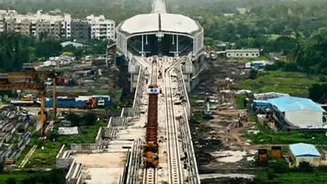
new corridor, engineers will use a common template. This strategy is being developed based on the learnings from the ongoing Mumbai-Ahmedabad High-Speed Rail (MAHSR) corridor, which serves as a live laboratory for this new construction philosophy. According to Railway Minister Ashwini Vaishnaw, almost every major subsystem—from the piers and viaducts to the overhead electrification and signalling systems—will be standardised. The only major exception will be the foundation of structures, which must be designed specifically for the local soil conditions at each site. This move creates a replicable model that can be deployed across the seven new bullet train corridors planned for the country.
The Blueprint for Quality and Speed
The primary benefit of this uniform approach is ensuring consistent quality and safety. When components and designs are standardised, it's easier to enforce strict quality control, whether the parts are made in a factory or assembled on-site. This reduces variations that can creep in when different contractors and teams work on different segments of a project. The process also dramatically speeds up construction. With proven, modular designs, there's no need to spend time reinventing the wheel for each new corridor. Many components, like sections of the viaduct or the J-Slab ballastless track systems, can be mass-produced in factories and then transported to the construction site for assembly, much like a large-scale Lego set. This factory-led approach not only shortens timelines but also brings down costs through economies of scale.
Inspired by Japan's Shinkansen
The strategy draws inspiration from Japan's world-renowned Shinkansen system, which is known for its incredible safety record and operational efficiency—both hallmarks of a highly standardised network. The MAHSR corridor is being built using Japanese Shinkansen technology, but the standards are being adapted to suit Indian conditions. The National High Speed Rail Corporation Limited (NHSRCL) is working with top technical institutes like the IITs to create a 'design library' under the Bharat High Speed Rail Programme. This library will contain all the approved designs and technical specifications. This ensures that while the core technology is from Japan, its application is tailored for India, paving the way for a unique, indigenously adapted high-speed rail system.
Beyond Construction: Long-Term Gains
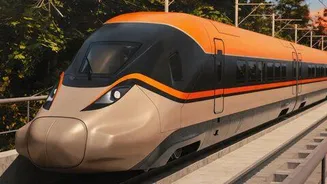
The advantages of standardisation extend far beyond the construction phase. A uniform network simplifies maintenance and operations significantly. With common parts used across all corridors, managing spare inventory becomes much easier and more cost-effective. Maintenance crews trained on one corridor can apply their skills anywhere on the network, creating a more flexible and efficient workforce. Furthermore, this approach is a major boost for the 'Make in India' initiative. By defining clear, consistent specifications for components, the government is creating a predictable market that encourages domestic companies to invest in manufacturing high-speed rail components. Already, plans are underway for an indigenous train set capable of 280 kmph, and even a unique signalling system called the Bharat Train Control System (BTCS) is being developed for future corridors.