



Understanding the Foundation of Balance
Balance isn't just about not falling over; it's a complex collaboration between your brain and body. Three key systems are at play: your vision tells you where you are in relation to your surroundings, your vestibular system (in the inner ear) senses
motion and head position, and proprioception acts as your body's internal GPS. Proprioception is the network of sensors in your muscles and joints that tells your brain your body's position in space without you having to look. Both skating and Tai Chi challenge and improve these systems, but they do so by focusing on two different kinds of balance: dynamic and static.
Skating: The Art of Dynamic Flow
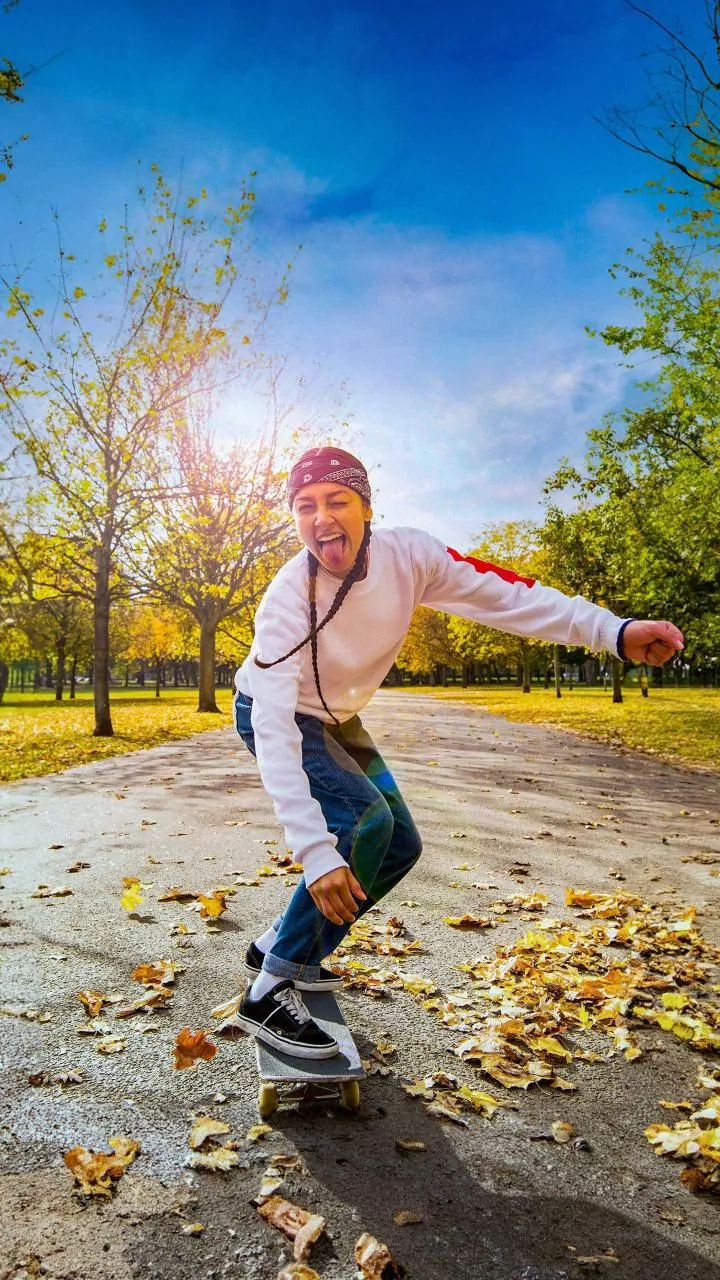
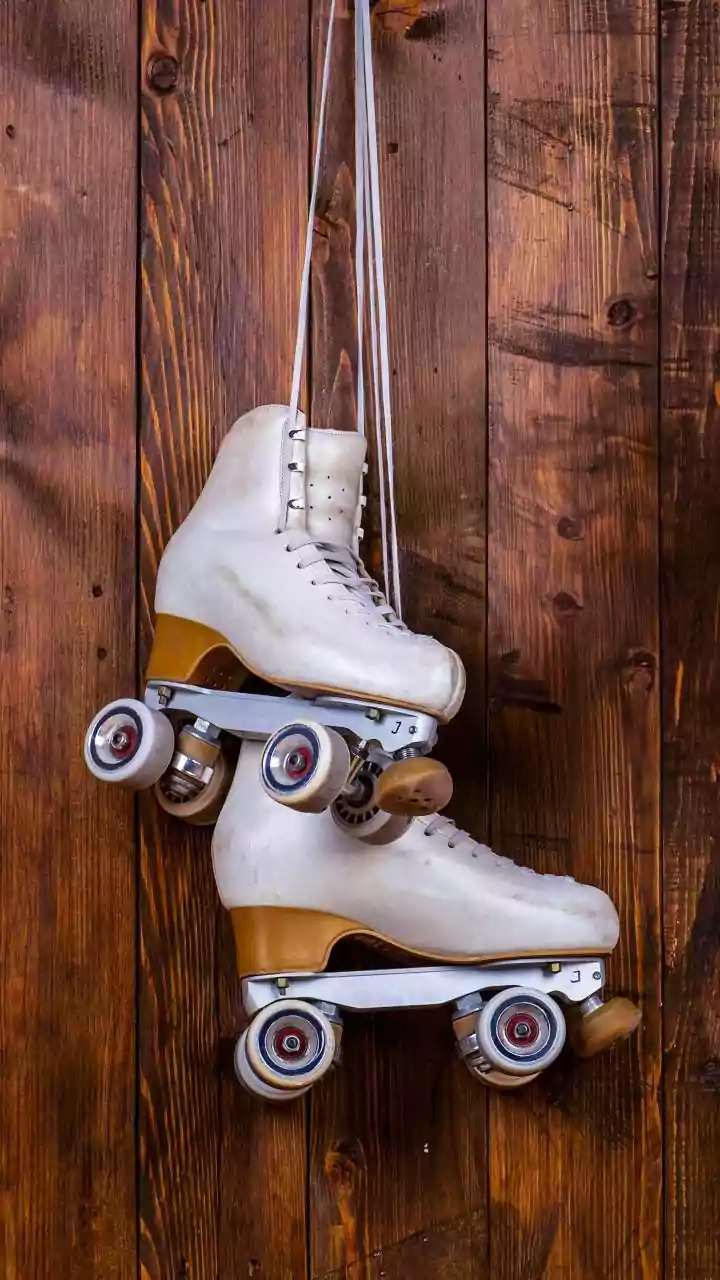
Skating, whether on ice or wheels, is a masterclass in dynamic balance—the ability to remain stable while in motion. Perched on a thin blade or a line of wheels, your body must make constant, lightning-fast adjustments to maintain control while moving forward. This requires a highly engaged core and exceptional reactive strength. Every push, turn, and stop is a negotiation with momentum. Your body isn't just staying upright; it's managing external forces and a constantly shifting center of gravity at speed. This constant state of adjustment sharpens your proprioception and trains your neuromuscular system to react instantly to instability, which is why skaters can often recover from a wobble that would send most people tumbling.
Tai Chi: The Practice of Grounded Control
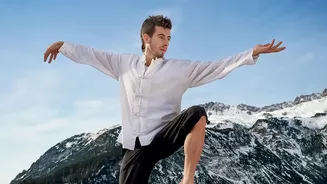
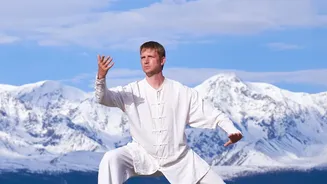
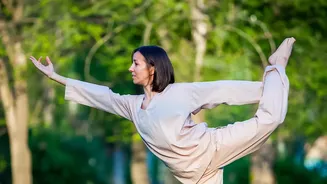
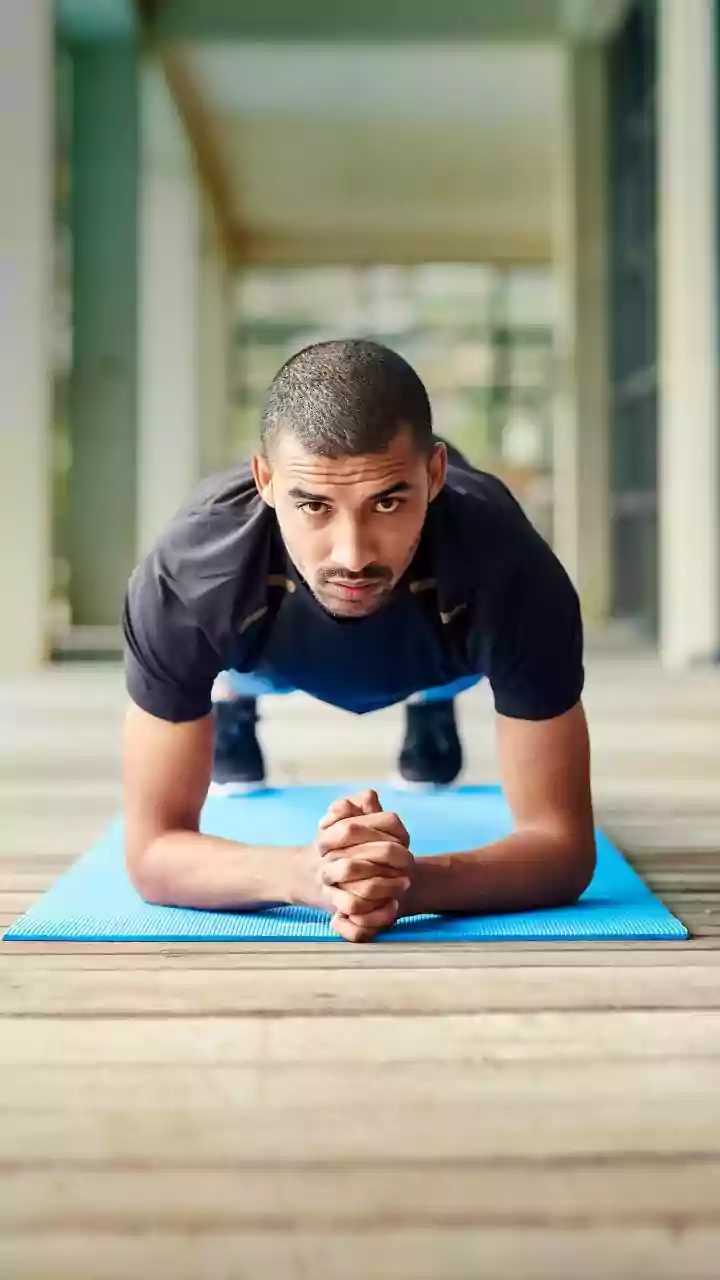
Tai Chi approaches balance from the opposite direction. Often described as 'meditation in motion', this ancient Chinese martial art is built on slow, controlled, and deliberate movements. It primarily cultivates static balance—the ability to hold a position—and the fluid transitions between those positions. Practitioners learn to root themselves, maintaining a low center of gravity and shifting their weight with incredible precision. This slow pace forces a deep internal focus, enhancing body awareness and the mind-body connection. Instead of reacting to external momentum, Tai Chi teaches you to generate and control movement from your core, or 'dantien', making every action intentional. This heightened proprioceptive feedback is a key reason studies show Tai Chi is highly effective at improving stability and preventing falls.
Core Strength: Reactive Brace vs. Intentional Engine
Both activities are phenomenal core workouts, but they use the abdominal and back muscles differently. In skating, the core acts as a rigid, stabilising brace. It tenses to transfer power from the legs and to keep the upper body still and controlled against the forces of speed and turns. You are constantly engaging your core to prevent your momentum from throwing you off-balance. In Tai Chi, the core is the intentional engine of all movement. The forms teach you to initiate actions from your center, with energy flowing outward to the limbs. The strength built is less about a hard brace and more about deep, sustained control through a full range of motion.
Mind Over Matter: The Cognitive Challenge
The mental demands of each discipline also differ. Skating requires a sharp, external focus and rapid decision-making. You must read the surface ahead, anticipate changes, and react in fractions of a second. Your brain is processing a high volume of external data to maintain dynamic equilibrium. Tai Chi, conversely, demands a quiet, internal focus. The practice is meditative, requiring you to pay close attention to your breath, your weight distribution, and the precise position of your limbs. This mindfulness is not just calming; it actively retrains the neural pathways responsible for body awareness and control, improving your proprioceptive acuity even when you are standing still.