



The Problem with 'Just in Case'
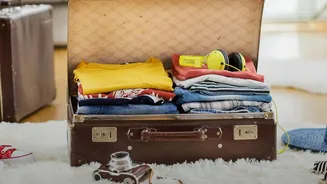
Many of us pack for a fantasy version of our trip, a holiday filled with endless possibilities and unforeseen events. This leads to the classic 'just in case' mentality. We add an extra pair of jeans, a formal jacket we likely won't wear, and three extra tops
because, well, you never know. The result is a heavy bag that becomes a burden, turning a relaxing vacation into a logistical challenge. Most people overpack because they plan for every possible scenario instead of what they will actually do. The fundamental flaw is focusing on the quantity of individual items rather than the quantity of functional outfits. A suitcase with ten tops and five bottoms sounds prepared, but if nothing coordinates, you're left with a wardrobe full of clothes and a daily sense of decision fatigue.
Embrace the Travel Capsule Wardrobe
The most effective way to counter overpacking is to adopt a 'capsule wardrobe' approach. This involves selecting a small collection of essential items that are versatile and can be mixed and matched to create numerous outfits. The goal isn't extreme minimalism; it's intelligent coordination. Instead of packing seven distinct outfits for a week-long trip, you pack around ten to fifteen core pieces that can be combined in dozens of ways. This ensures you have everything you need without hauling around half your closet. The freedom that comes with a lighter bag—navigating crowded airports, lifting your own luggage into overhead bins, and having space for souvenirs—is a game-changer.
Start with a Colour Palette
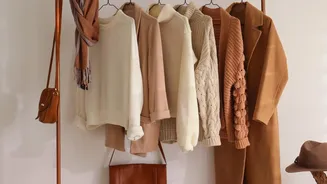
The foundation of a successful travel capsule is a simple, cohesive colour palette. Choose one or two neutral base colours that work well together, such as black, navy, grey, or beige. Then, add two or three accent colours that complement your base. This simple step is revolutionary because it guarantees that almost every top you pack will work with every bottom. This eliminates the problem of packing a favourite shirt that only matches one specific pair of trousers. Sticking to a colour story means you can get dressed in minutes, confident that your chosen pieces will look good together.
Plan by Activity, Not by Item
Before you choose a single piece of clothing, think about your itinerary. What will you actually be doing? List out your activities: sightseeing days that require comfortable shoes, a couple of nicer dinners, a morning at a local market, or relaxing by the hotel pool. Now, assign an outfit idea to each activity. This shifts your mindset from "I need eight T-shirts" to "I need three casual daytime outfits and two evening looks." You'll quickly see that the same pair of dark, well-fitting jeans can be part of a daytime look with sneakers and a T-shirt, and an evening look with a smarter top and dressier shoes. This method forces you to pack only what you have a real plan to wear.
Leverage Layers and Accessories
Versatility is your best friend when packing light. Choose items that can serve multiple purposes. A large, beautiful scarf can add a pop of colour to an outfit, keep you warm on a chilly flight, and even act as a shawl for visiting religious sites. A lightweight jacket or cardigan is crucial for layering, allowing you to adapt to changing weather without packing a bulky coat. Accessories like a belt, a statement necklace, or a stylish hat take up minimal space but can completely transform a simple base outfit, effectively giving you a new look without a new set of clothes.
The Final Edit: Lay It All Out
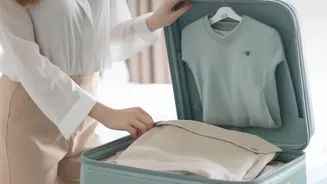
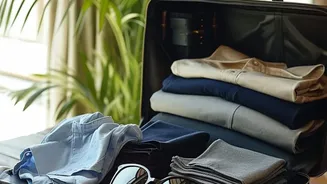
Once you've selected your pieces based on your outfits and colour palette, lay everything out on your bed. This is the crucial final step. Look at the collection as a whole. Do you see any duplicates? Can you remove one of the three black tops? Is every single item a 'hell yes' that you love to wear and feel comfortable in? A trip is not the time to experiment with new styles that might not be comfortable. Be ruthless and honest with yourself. If an item only works for one very specific, unlikely scenario, it doesn't earn a place in your suitcase. Put the 'just in case' items back in the closet.