








What Are the New Sanctions?
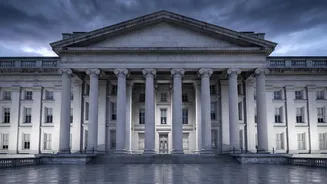
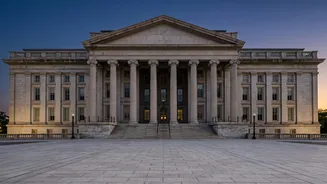
On August 24, 2026, the US Treasury Department announced a major escalation of its economic pressure campaign against Iran. Treasury Secretary Scott Bessent introduced what he termed an "economic onslaught" designed to sever Iran's remaining links to the global
economy. Dubbed "Operation Economic Outcast," the new rules significantly broaden the scope of secondary sanctions. This means that not just American companies, but firms from any country, can face severe penalties for doing business with designated Iranian sectors. Bessent stated that the goal is to achieve the "economic asphyxiation of this regime" and force a choice between "complete global isolation" and rejoining the global economy. The administration has put countries and companies on notice, giving them a limited time to wind down their activities with Iran or risk being cut off from the US dollar system.
Which Sectors Are Targeted?
The new sanctions are aimed at closing loopholes and targeting what US officials call Iran's 'most vital lifelines'. Five specific sectors have been added to the sanctions list: digital assets, technology, gold, aviation, and shipping. These are areas the Iranian government allegedly uses to prop up its economy, fund the Islamic Revolutionary Guard Corps (IRGC), and evade existing restrictions. Alongside these sector-wide threats, the US Treasury also designated nearly 60 specific individuals, companies, and vessels accused of assisting Iran with its nuclear and missile programs, cyber operations, and selling oil through a 'shadow fleet'. This dual approach of targeting broad sectors while also naming specific entities creates a complex and high-risk environment for global commerce.
How Secondary Sanctions Work
The power of these new measures lies in the concept of secondary sanctions. Unlike primary sanctions, which prohibit US citizens and entities from dealing with Iran, secondary sanctions target non-US persons and firms. The primary threat is the loss of access to the US financial system. Any foreign bank or company found to be facilitating significant transactions with sanctioned Iranian entities can be designated as a pariah, effectively blocking them from using US dollars or dealing with American banks. Given the dollar's central role in global trade, this is a risk most international companies cannot afford to take. Secretary Bessent was explicit, stating that any entity that facilitates money laundering for Iran "will be removed from the U.S. dollar system. The clock just started ticking."
The Geopolitical Context
These sanctions do not exist in a vacuum. They represent a significant shift in strategy in the nearly six-month-long conflict between the US and Iran that began in February 2026. After a period of military strikes and a naval blockade, Washington is now intensifying its focus on financial warfare. The move follows the expiration of a 60-day ceasefire and sanctions waiver that was part of a memorandum of understanding signed in June. That temporary deal, which had allowed Iran to resume some oil sales, ended without a permanent agreement, prompting the US to reimpose and dramatically expand its economic pressure campaign. Iran has vowed to retaliate, threatening to further disrupt shipping in the Strait of Hormuz, a vital channel for global energy supplies.
The Impact on Indian Businesses
For India, which has historically maintained a delicate diplomatic balance between Tehran and Washington, the new sanctions pose a significant challenge. Indian trade with Iran, which had already fallen over 90% from its 2018-19 peak, is now under fresh pressure. Key exports such as basmati rice, tea, and pharmaceuticals are at risk. Many Indian exporters have relied on trade and payment channels through the United Arab Emirates to conduct business with Iran. However, the UAE has recently halted most trade and financial transactions with Iran, disrupting this crucial workaround. The new sanctions specifically named four India-based companies among the 60 entities sanctioned for their alleged role in Iran's petrochemical and petroleum trade. This direct targeting signals a heightened risk for any Indian firm even remotely connected to the designated Iranian sectors, forcing a difficult reassessment of commercial ties.