






What are AI Factories and Gigafactories?
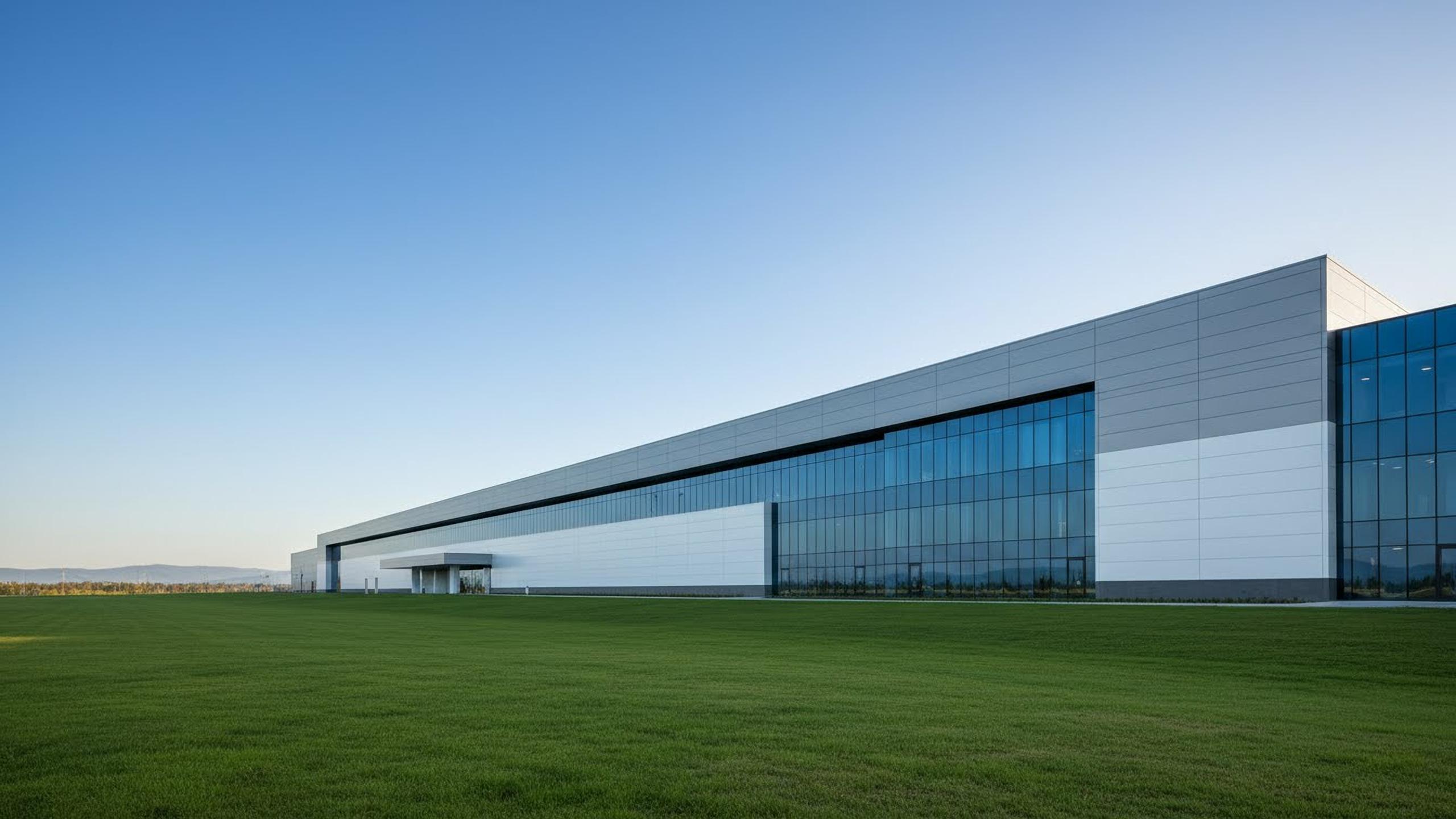
Forget images of physical assembly lines. An ‘AI Factory’ is a dynamic ecosystem built around an AI-optimised supercomputer. It brings together computing power, data, and talent to help startups, researchers, and small to medium-sized enterprises (SMEs)
develop and train AI models. Think of them as hubs providing subsidised access to high-performance computing that would otherwise be out of reach. An ‘AI Gigafactory’ is the next level up: a much larger facility designed to handle the entire lifecycle of massive, next-generation AI models. These are industrial-scale powerhouses, each equipped with over 100,000 advanced AI processors, intended to train the most powerful 'frontier' AI models.
The Quest for Technological Sovereignty
The driving force behind this massive investment is the EU’s push for ‘technological sovereignty’. For years, Europe has been a major consumer of AI technology but has lagged behind the US and China in developing the foundational platforms and infrastructure. This created a dependency on foreign tech giants for the critical computing power needed to train advanced AI. The AI Factories and Gigafactories initiative is a direct response, aiming to ensure Europe can develop, train, and deploy its own AI models in line with its own rules and values, particularly around data privacy and ethics. It's a strategic move to prevent the continent from being left behind in a technology that will define future economic competitiveness.
Key Players and Projects Across Europe
This is a pan-European effort coordinated by the European High Performance Computing Joint Undertaking (EuroHPC JU). There are currently 19 AI Factories and 13 associated 'Antennas' being set up across the continent, from Finland to Spain and Bulgaria to Austria. These often involve upgrading existing world-class supercomputers like JUPITER in Germany, LUMI in Finland, and Leonardo in Italy. On the private sector side, French AI darling Mistral AI has emerged as a key player, announcing plans to build up to 1 gigawatt of compute capacity in Europe by 2030, forming a coalition with major European companies to underwrite the investment. This highlights the hybrid public-private nature of the overall strategy.
A Multi-Billion Euro Endeavor
The scale of the investment is significant. In July 2026, the EU launched a call for tenders to establish up to seven AI Gigafactories. This initiative is backed by up to €10 billion in EU and national funding, which is expected to attract at least another €20 billion in private investment. This public funding helps to de-risk the massive capital expenditure for the private consortia that will build and operate the facilities. The goal is to create a predictable, large-scale demand for high-end computing, which in turn is intended to stimulate Europe's own semiconductor ecosystem and the future manufacturing of domestic AI chips.
Challenges on the Road Ahead
Building this infrastructure is not without its challenges. Europe faces intense global competition for the highly specialised hardware needed, particularly the advanced GPUs designed for AI workloads. While many of the new European systems are being built with cutting-edge chips, they are competing with massive private projects in the US. Furthermore, these supercomputers are incredibly energy-intensive, requiring sustainable and reliable power sources. Another significant hurdle is attracting and retaining top AI talent to work on these projects and build the next generation of European AI companies. The success of the initiative will depend not just on building the hardware, but on fostering the entire ecosystem around it.