

Beyond Ecotourism: The 'Responsible' Difference
When you think of sustainable travel, 'ecotourism' might be the first word that comes to mind. But Kerala has taken this concept a giant leap forward with its Responsible Tourism (RT) Mission. Launched in 2017 after successful pilot projects, the mission
is built on a simple but powerful idea defined at the 2002 Cape Town Declaration: making places better for people to live in, and better for people to visit. The focus isn't just on environmental protection but also on economic and social responsibility. This 'triple bottom-line' approach ensures that the local communities are not just passive bystanders but active partners in the tourism story, benefiting directly from the travellers who come to experience their culture and land. The goal is to create livelihood opportunities, empower women, and preserve the state's rich heritage, all while offering a more authentic experience to visitors.
A Global Model: The Kumarakom Story
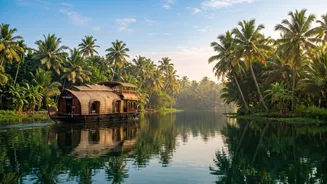
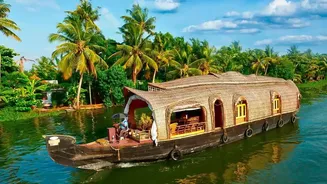
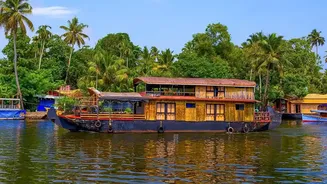
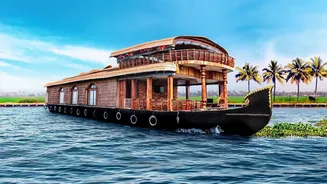
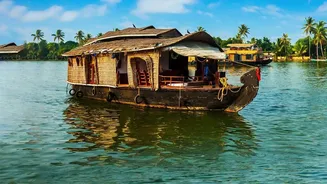
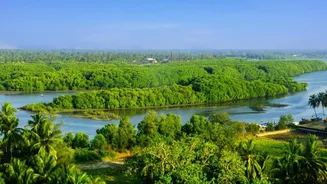
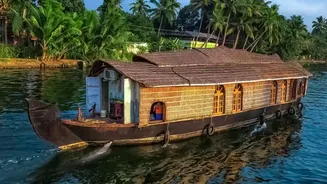
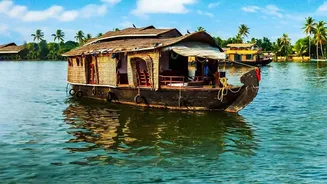
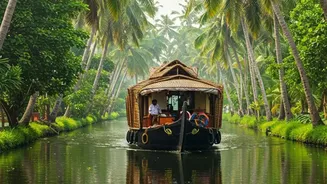
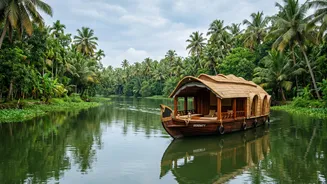
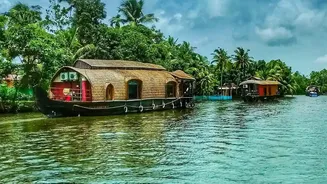
To see this model in action, look no further than Kumarakom. This serene backwater destination became one of the first places to pilot the RT initiative and has since won numerous international accolades, including the prestigious UNWTO Ulysses Award. So, what did they do right? Instead of hotels importing all their supplies, the RT Mission connected them with local farmers for fresh produce, fisherfolk for the day's catch, and artisans for authentic handicrafts. This created a direct economic link between the hospitality industry and the residents. Community-led tours, village life experiences, and homestays flourished, allowing travellers to see the real Kumarakom through the eyes of those who call it home. This success didn't just put money into the local economy; it fostered a sense of pride and ownership among the villagers, making them the most passionate guardians of their home.
Walk the STREETs of Change
Building on this success, Kerala Tourism has launched an innovative new project called STREET, which stands for Sustainable, Tangible, Responsible, Experiential, Ethnic, Tourism hubs. This initiative aims to take tourism into the state's rural interiors by developing thematic streets in lesser-known destinations. Imagine strolling down a 'Water Street' in Maravanthuruthu focused on backwater life, or exploring a 'Cultural Street' in Kadalundi that showcases local art forms. Inspired by the UNWTO's motto 'Tourism for Inclusive Growth', the project identifies the unique character of a village—be it its art, cuisine, or natural landscape—and develops it into an immersive experience. This not only prevents overcrowding in popular tourist spots but also spreads the benefits of tourism to new communities, offering travellers a chance to explore the state's diverse fabric in a deeper, more meaningful way. The water conservation efforts under this project have even been recognised with a global award at the World Travel Mart in London.
How You Can Be a Responsible Traveller
As an Indian traveller, you have a huge role to play in supporting this incredible movement. The best part is that it doesn't require sacrifice; it simply means making more conscious choices. Opt for homestays or certified eco-friendly resorts that employ local staff. Instead of just hitting the main sights, book a village life experience tour where you can learn a traditional craft or enjoy a meal cooked by a local family. Buy souvenirs directly from the artisans who make them. Reduce your plastic use by carrying a reusable water bottle and cloth bags. Even a simple act like learning a few words in Malayalam can show respect and open doors to more genuine interactions. Recently, Kerala also announced the introduction of 'Green Marshals' at tourist spots to assist with safety, waste management, and environmental protection, making it even easier for visitors to travel responsibly. By choosing these experiences, you're not just a tourist; you're a partner in preserving the magic of 'God's Own Country'.