








The Promise: AI on the Farm
The most straightforward connection between AI and your food is on the farm itself. In theory, AI is a powerful tool for reducing costs. Precision agriculture uses AI-powered drones and sensors to monitor crop health, detect diseases early, and apply
water or fertilizer with pinpoint accuracy. This reduces waste and boosts yields. AI-driven systems can analyze soil data and weather forecasts to optimize planting and harvesting, while autonomous tractors can reduce labour costs. On paper, these efficiencies should lead to lower production costs, which could then be passed on to consumers. Many food and beverage companies are adopting AI precisely to protect their margins as input costs for commodities, packaging, and freight remain high.
The Hidden Cost: AI's Enormous Energy Appetite
Here’s the twist: the AI boom has a voracious appetite for resources, especially electricity. The massive data centers required to train and run complex AI models are incredibly power-hungry. A single AI-focused data center can consume as much electricity as 100,000 homes. This surge in demand is straining electricity grids and contributing to higher energy prices for everyone, a trend noted by economists. According to the International Energy Agency, electricity demand from data centers is set to more than double by 2030, with AI being the most significant driver of this growth. This means the factories that process your food, the warehouses that store it, and the trucks that deliver it are all facing higher energy bills, partly fueled by the tech sector's needs.
Ripple Effects Through the Supply Chain
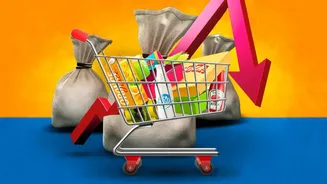
The increased energy costs ripple through the entire food supply chain. While AI also offers solutions here—optimizing logistics, forecasting demand, and reducing spoilage—it can't erase the impact of rising operational expenses. For example, a meat producer noted that a sudden change in fuel prices can instantly inflate hauling costs. These increased costs for transport, refrigeration, and processing don't just disappear; they are eventually baked into the final price you see on the shelf. The AI boom is also driving up demand for other resources like construction materials and components, which can contribute to broader inflation. Economists estimate that this buildout is already adding a small but noticeable amount to overall inflation and household spending.
Smarter Shelves and 'Dynamic Pricing'
When you get to the grocery store, AI is working there, too. Retailers are using AI for sophisticated inventory management, which helps reduce food waste by identifying items nearing their expiration date and automatically discounting them. Many stores are also adopting digital price tags that can be updated in seconds. This enables 'dynamic pricing', where prices can change frequently based on demand, competition, or stock levels. While this can mean better deals on overstocked items, it also opens the door to more controversial practices. Some delivery platforms have experimented with using AI to test different prices for different customers to see what they're willing to pay, a practice known as personalised pricing. Though some companies halted these experiments after public scrutiny, the technology makes it possible for two people to be charged different prices for the exact same cart of groceries.