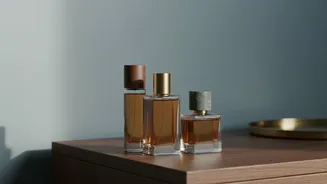




The Art of Scent Layering
Fragrance layering is the practice of combining two or more scents to create a new, personalized aroma. This doesn't just mean spraying multiple perfumes; it can involve using scented body lotions, oils, and washes to build a complex fragrance profile
that is uniquely yours. The goal is creative expression and crafting a scent that adapts to your mood, the occasion, or even the weather. When done correctly, layering not only results in a one-of-a-kind scent but can also enhance the longevity, ensuring your custom creation lasts throughout the day.
Why Similar Notes Are Your Best Friend
While it might be tempting to mix wildly different fragrances, that can often lead to a chaotic and overwhelming result. The key to a sophisticated blend lies in harmony. By layering scents that share similar notes or belong to the same fragrance family, you enhance and amplify what you love about them rather than creating a clash. This technique creates depth and nuance, making the final scent feel intentional and well-blended, like a single, complex perfume rather than a jumble of different ones. If you love a rose perfume, for example, layering it with another light floral can create a richer, more dimensional bouquet.
Understanding Fragrance Families
To layer similar notes effectively, you first need to understand the basic categories, known as fragrance families. While classifications vary, most perfumes fall into a few key groups: Floral (rose, jasmine), Oriental/Amber (vanilla, spice, amber), Woody (sandalwood, cedarwood), and Fresh (citrus, aquatic notes). Some also include Gourmand for sweet, edible notes like caramel or Fruity for scents like berries and pear. Fragrances within the same family are designed to complement one another, making them a safe and effective starting point for any beginner.
A Step-by-Step Layering Guide
Ready to start blending? First, always begin with moisturized skin, as this helps the fragrance last longer. When applying perfumes, the general rule is to start with the heaviest scent first. Apply your deeper, richer fragrance (often a woody or oriental scent) to your pulse points, like your wrists and neck. Let it settle for a moment before adding the second, lighter fragrance on top. This ensures the more delicate notes of the second scent aren't immediately overpowered. For a more diffused effect, you can also apply the two scents to different pulse points.
Simple Combinations to Get You Started
The beauty of layering is in the experimentation, but a few classic combinations can help you build confidence. If you're a fan of Fresh scents, try layering two different citrus fragrances, like grapefruit and lime, to create an even more vibrant, zesty aroma. For a warm and cozy feel, combine two scents from the Oriental family, such as a vanilla base with a spicier amber or cinnamon on top. You could also explore pairing different florals, like a delicate peony with a classic rose, to create a lush, multifaceted bouquet. The key is to start with two scents and pay attention to how they evolve on your skin over time.