

The Common Kitchen Heartbreak
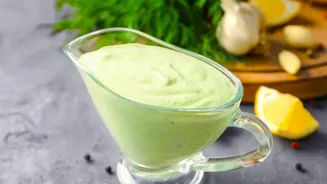
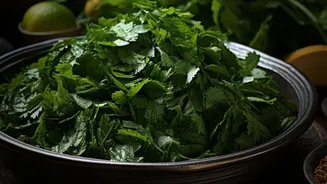
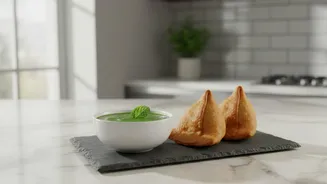
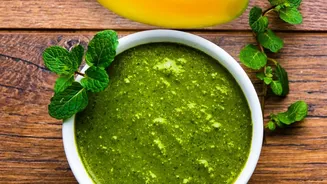
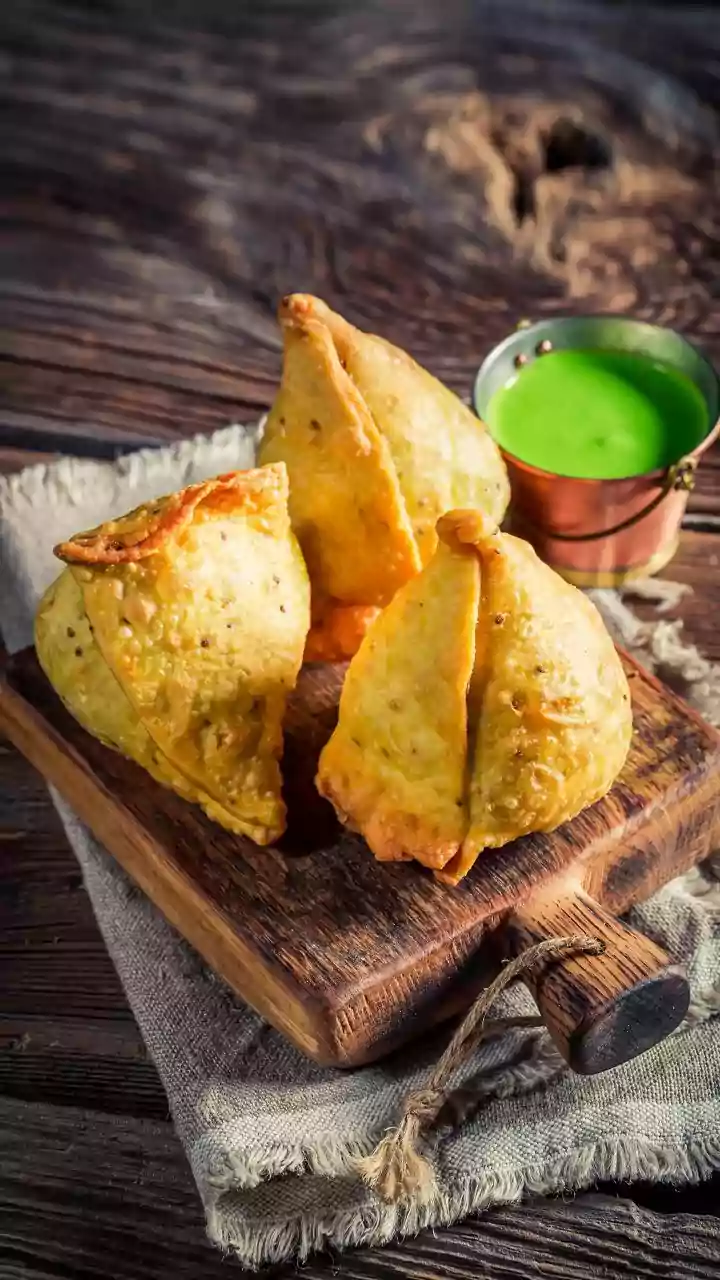
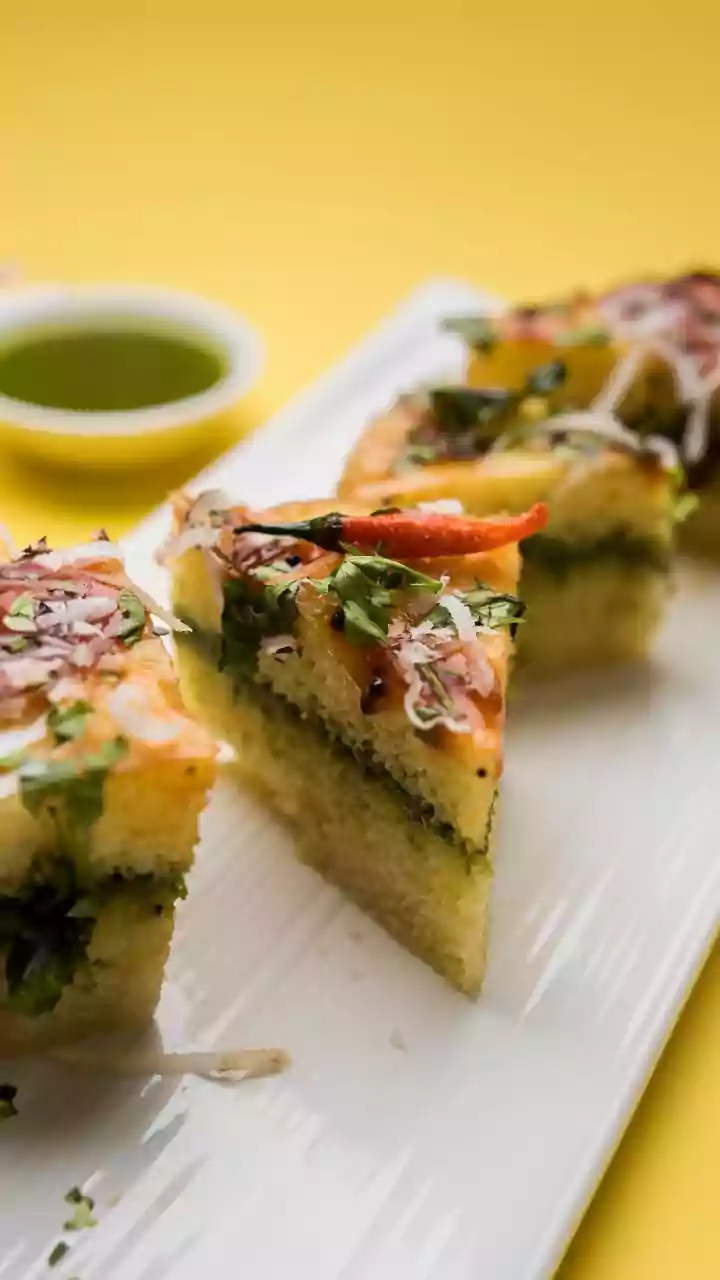
Green chutney is the soul of so many snacks, from samosas to sandwiches. It's meant to be bright, zesty, and bursting with the fresh flavour of coriander and mint. Yet, far too often, the beautiful green ingredients turn into a murky, brownish paste that
can sometimes carry a bitter aftertaste. This frustrating transformation is a common problem, but it’s not inevitable. The culprit isn't a single mistake, but a combination of heat and air that sets off a rapid chemical reaction right inside your blender jar.
The Science Behind the Sadness
The browning of your chutney is a natural process called enzymatic browning. It’s the same reaction that turns a sliced apple or avocado brown when left out. The main enzyme responsible is called polyphenol oxidase (PPO). In fresh herbs like cilantro and mint, this enzyme is usually kept separate from the compounds it reacts with. However, when you chop or blend the leaves, the cell walls are broken, and the enzyme comes into contact with phenolic compounds and oxygen. This triggers a reaction that produces brown pigments called melanin. The speed of this reaction is dramatically increased by heat. This is where your blender comes in: the high-speed friction of the blades generates a surprising amount of heat, which accelerates the browning and can also make the chutney taste bitter.
The 'Short Burst' Solution
This brings us to the headline solution: blending in short bursts. Instead of turning your blender on and letting it run continuously, use the pulse function or run it for just 5-10 seconds at a time, with a pause in between. This simple change in technique makes a world of difference. By giving the mixture a break, you prevent the blades from generating excessive friction and heat. This keeps the ingredients cool, dramatically slowing down the enzymatic browning process. You will achieve the same smooth consistency, but without sacrificing that beautiful, vibrant green colour you started with. This method is crucial for preserving not just the colour but also the fresh, bright flavour of the herbs.
The Chill Factor: An Extra Layer of Protection
To give yourself even more of an advantage against browning, think cold. Since heat is the enemy, starting with chilled ingredients is a brilliant supporting strategy. You can even add a few ice cubes or use ice-cold water when blending. The ice helps to keep the temperature inside the blender jar low, directly counteracting the heat generated by the blades. This works in perfect harmony with the pulse-blending technique. Some street food vendors famously keep their chutney on ice all day to maintain its sharp aroma and bright colour, and this is a principle you can easily apply at home.
Acid Is Your Ally
Another powerful tool in your green-chutney arsenal is acid. Adding an acidic ingredient like lemon juice, lime juice, or even amchur (dry mango powder) does more than just add a tangy flavour. Acid lowers the pH of the mixture, which inhibits the activity of the PPO enzyme. This creates an environment where the browning reaction struggles to take hold. For best results, add the lemon juice while blending rather than just stirring it in at the end. This ensures it's fully incorporated, protecting the herbs from oxidation from the very start. A little bit of sugar or jaggery can also help, not only by balancing the flavours but also by contributing to colour retention.
Smart Storage for Lasting Green
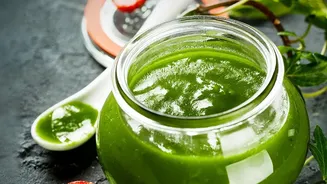
Once you've made your perfectly green chutney, the final step is to store it properly to prevent it from browning later. The enemy is still oxygen, so the goal is to minimize air exposure. Store your chutney in a clean, airtight glass jar. For extra protection, you can press a piece of cling film directly onto the surface of the chutney before sealing the lid. This creates a barrier that prevents air from touching the chutney. Storing it in the refrigerator immediately also helps, as the cold temperature continues to slow down any potential oxidation. If you've made a large batch, freezing it in an ice cube tray is an excellent way to preserve its colour and flavour for months.