






What Has Changed for Visa Applicants?
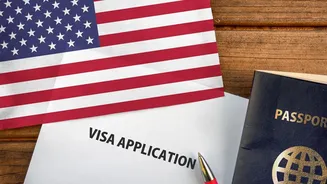
The U.S. Department of State has expanded its screening procedures to include a more thorough review of visa applicants' online presence. While social media identifiers have been requested on application forms for several years, recent updates have broadened
the scope and intensity of these checks. For many visa categories, applicants are now instructed to set their social media profiles to 'public' during the adjudication process to allow consular officers to review their activity. This move is part of a wider government effort to enhance national security vetting by using all available information to assess an applicant's eligibility and intent. The stated goal is to get a fuller picture of an applicant beyond what is presented in their forms and interview. This policy has been rolled out in phases, with an expansion in March 2026 bringing even more visa types under this requirement.
Which Visa Categories Are Affected?
Initially focused on student (F, M) and exchange visitor (J) visas, the policy has been progressively expanded. As of late 2025 and early 2026, the mandatory online presence review now includes a wide array of nonimmigrant visas. This includes H-1B specialty occupation workers and their H-4 dependents, who are a significant group of applicants from India. Further expansions effective from March 30, 2026, added categories such as K-1 (fiancé), R-1 (religious worker), Q (cultural exchange), and various others to the list. Essentially, a vast majority of those applying for temporary visas to study, work, or join family in the U.S. are now subject to these digital checks. The policy shift signals that this level of scrutiny is becoming standard practice across nearly all application types.
What Information Is Being Scrutinized?
Applicants must list all social media usernames or handles they have used in the past five years on the DS-160 application form. This includes platforms like Facebook, Instagram, X (formerly Twitter), LinkedIn, and others. Consular officers are looking for consistency between the information on your application and what your online profiles show. For example, your employment and education history on LinkedIn should match your visa paperwork. Beyond that, they are screening for potential red flags. This can include expressions of hostility toward the U.S., connections to extremist groups, information that suggests illegal activity, or any content that contradicts your stated purpose for travel. It is a comprehensive review of your publicly available digital footprint, including posts, photos, comments, and online affiliations.
How to Prepare for This Digital Review
The most critical step is transparency. Failing to disclose an account can have more severe consequences than the content of the account itself, potentially leading to delays or even a visa denial for misrepresentation. Before applying, it is wise to conduct a personal audit of your public-facing online presence. Review your accounts for accuracy, ensuring that biographical details like your work history are up-to-date and consistent with your application. While you are instructed to set your profiles to public for the review, it is a good opportunity to review old posts or shared content that could be misinterpreted out of context. You are not required to provide passwords, only your usernames. The goal is not to create a fake persona but to ensure your public profile is an accurate and responsible reflection of who you are.
Common Concerns and Potential Pitfalls
Many applicants worry if a single misunderstood joke or political opinion could lead to a denial. While consular officers are primarily looking for established patterns and serious security threats, the expanded scrutiny can cause delays. Inconsistencies between your digital profiles and application documents are a major red flag that can trigger additional administrative processing. Posts by dependents, such as an H-4 spouse, can also impact the principal applicant's case. The introduction of these checks has reportedly led to significant backlogs and appointment cancellations at some consulates as they adapt to the additional workload, affecting many Indian applicants. It is crucial to be patient and ensure all instructions, including setting profiles to public, are followed precisely to avoid self-inflicted complications.