






The Soothing Allure of a Foot Soak
The appeal of a foot soak is undeniable. It’s a simple, accessible ritual that promises immediate comfort. For those who spend hours on their feet, it offers relief from aches and swelling. The warmth of the water can help relax muscles and improve circulation,
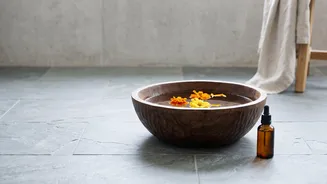
providing a feeling of rejuvenation. Eucalyptus oil is a popular addition due to its crisp, clean scent and cooling sensation, which enhances the feeling of freshness and cleanliness. It’s a sensory experience that signals a moment of well-deserved rest. These soaks are excellent for unwinding and providing temporary relief for fatigued feet.
What Eucalyptus Can Realistically Do
Eucalyptus oil contains compounds that have genuine, albeit limited, benefits. Its primary active component, eucalyptol, has known anti-inflammatory and antimicrobial properties. This means it can help reduce minor irritation and combat some surface-level bacteria and fungi. For this reason, it can be a helpful ingredient in maintaining foot hygiene and may offer some benefits against mild cases of athlete's foot when applied topically. The aromatic properties also provide respiratory relief, which adds to the overall calming effect of a soak. However, these benefits are largely superficial. A foot soak primarily affects the surface of the skin, and the active compounds in the oil are heavily diluted in water.
Fungal Infections Need Medical Treatment
Persistent foot problems like toenail fungus (onychomycosis) or stubborn athlete's foot (tinea pedis) are more than skin-deep. Fungal infections thrive in warm, moist environments and can embed themselves deep within the nail bed or layers of the skin. A eucalyptus soak cannot penetrate deeply enough to eradicate the fungus. In fact, if feet are not dried thoroughly after a soak, the residual moisture can make the problem worse. These conditions require targeted antifungal medications, either topical or oral, prescribed by a healthcare professional to ensure the infection is fully eliminated.
Structural Problems Require a Different Approach
Conditions like plantar fasciitis, bunions, or heel spurs are mechanical and structural issues. Plantar fasciitis is inflammation of the thick band of tissue that runs across the bottom of your foot. While a warm soak might temporarily soothe the ache and reduce some inflammation, it does nothing to address the root cause, such as improper foot mechanics, inadequate footwear, or overuse. Effective treatment for these conditions often involves a combination of rest, proper stretching exercises, supportive footwear, custom orthotics, or physical therapy as recommended by a podiatrist or physician.
When It Comes to Ingrown Toenails
An ingrown toenail occurs when the edge of the nail grows into the surrounding skin, causing pain, redness, and swelling. Soaking the foot can soften the skin and provide temporary relief, which may be sufficient for very mild cases without infection. However, for a significantly painful, red, or infected ingrown toenail, a foot soak is not a cure. Attempting to fix it yourself by digging at the nail can introduce bacteria and worsen the situation. A podiatrist can safely and effectively treat the issue, sometimes by simply lifting the nail or, in more severe cases, by removing the ingrown portion.
Red Flags: When to See a Doctor
It’s crucial to know when to stop self-treating and seek professional help. Make an appointment with a podiatrist or your primary care doctor if you experience any of the following: pain that is severe, persistent (lasting more than a few days), or worsens over time; signs of infection such as spreading redness, warmth, swelling, or pus; numbness or tingling in your feet; a wound or sore that isn't healing, especially if you have diabetes; or any foot problem that interferes with your ability to walk or perform daily activities.