




What Makes This Flower So Special?
Neelakurinji, or Strobilanthes kunthiana, is a shrub native to the shola grasslands of the Western Ghats. Its fame comes from a rare, synchronized life cycle: it blooms en masse only once every 12 years, after which the plants produce seeds and die. This
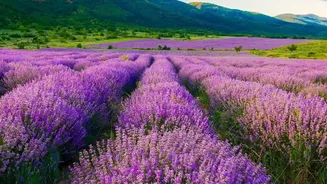
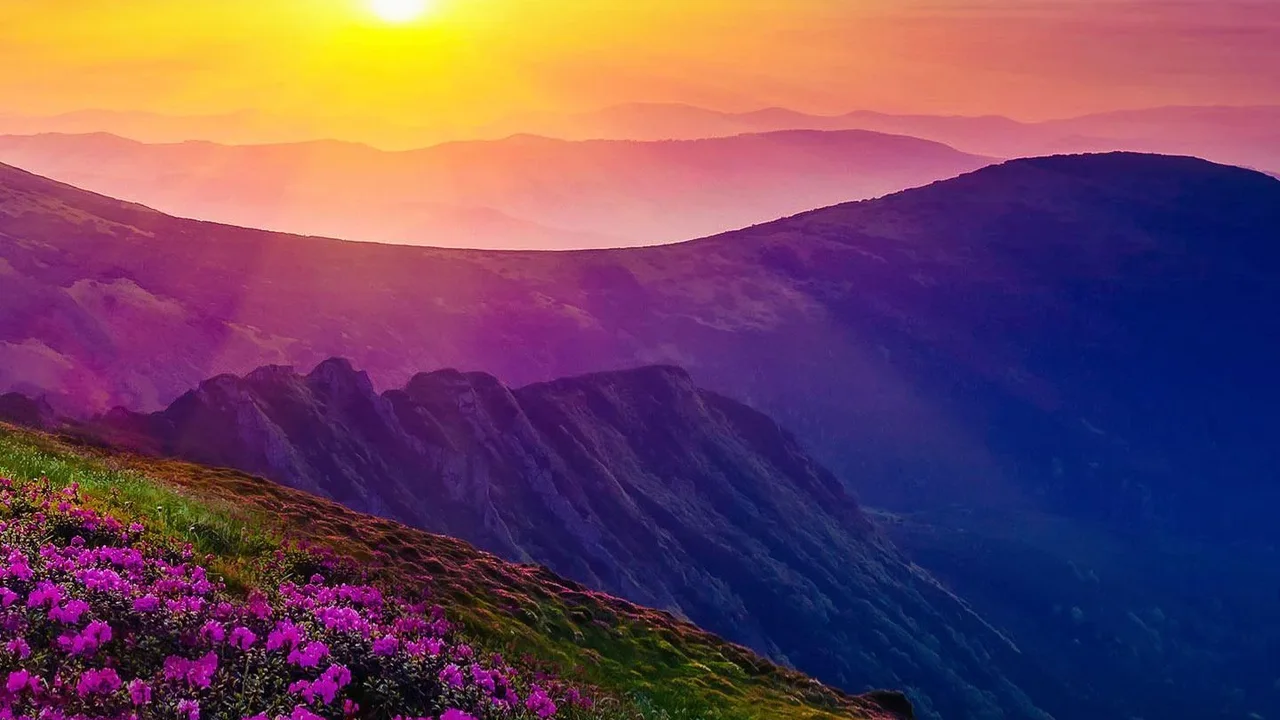
monocarpic behaviour means that each mass flowering is the grand finale for one generation and the beginning of the next. The sight transforms thousands of hectares of rolling hills into a vibrant sea of purple-blue, a phenomenon so striking that the Nilgiri Hills, or 'Blue Mountains', are believed to be named after it. This rare cycle makes every bloom a significant event, drawing nature enthusiasts from across the globe.
The 2026 Bloom: A Tale of Two Cycles
While many associate Munnar's Neelakurinji bloom with the one that occurred in Eravikulam National Park in 2018, and thus expect the next major event in 2030, the 2026 bloom is not an early arrival. It's a different population of the same flower, running on its own 12-year clock. The main population from the 2018 event will indeed bloom next in 2030, but the flowers currently carpeting the hills around Chokramudi, Mattupetty, and other parts of Idukki district last bloomed in 2014, making 2026 their scheduled year. This season's flowering began appearing in scattered patches as early as July and is expected to peak through September and October, painting the hillsides violet just in time for Onam.
The Debate: Tourists vs. a Threatened Habitat
The return of the Neelakurinji inevitably brings a massive influx of tourists. While this provides a significant economic boost, it is at the heart of the current debate. The plant’s habitat, the high-altitude shola-grassland ecosystem, is incredibly fragile. In April 2026, a report submitted to the National Green Tribunal highlighted that unregulated tourism, along with infrastructure expansion, has led to significant habitat degradation. The plant was officially classified as a 'Vulnerable' species on the IUCN Red List in 2024, citing habitat loss as a primary threat. The debate, therefore, centres on a crucial question: how can authorities manage the rush of visitors without causing irreparable damage to the very ecosystem they have come to see?
Learning from the Past
The memory of past blooms weighs heavily on the minds of conservationists and officials. The 2018 bloom was expected to draw over 8 lakh tourists, but the devastating floods that year severely disrupted access and the economy. However, the challenges of over-tourism were starkly visible in previous cycles, including the one in 2006 which saw an estimated one million visitors. Issues like trampling of the delicate shrubs, plastic waste accumulation, and traffic congestion have been rampant. There have already been reports in 2026 of tourists uprooting plants for photographs, prompting authorities to issue stern warnings. These past experiences serve as a critical lesson in planning for the current season.
A Carefully Managed Spectacle
In response to these concerns, authorities are implementing strict measures for the 2026 bloom. The Neelakurinji plant is protected under the Wildlife (Protection) Act, and destroying it can lead to a hefty fine of ₹25,000 and three years in prison. To manage crowds, entry to prime viewing spots like the Chokramudi hills is being regulated with fixed visitor hours and entry fees, with online booking systems planned. In some ecologically sensitive areas, daily visitor numbers may be capped based on carrying-capacity studies. Furthermore, private vehicles are being restricted, with special KSRTC shuttle buses arranged to transport visitors from Munnar town to the viewing points, aiming to reduce traffic congestion and pollution.