








The GST Game-Changer Explained
A year ago, a significant policy shift known as GST 2.0 came into effect, fundamentally altering the tax structure for automobiles in India. Under this reform, which began on September 22, 2025, the Goods and Services Tax (GST) on small cars was substantially
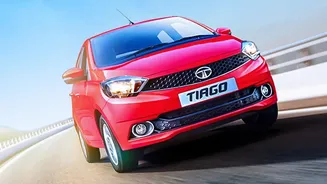
reduced. Specifically, cars under four metres in length with petrol engines up to 1,200cc or diesel engines up to 1,500cc saw their tax rate drop from a hefty 28% plus additional cesses to a much simpler and lower flat rate of 18%. This move was designed to make vehicles more affordable and stimulate demand in a segment crucial for mass motorisation. For larger cars and SUVs, the rate was set at 40%, which, despite being a higher number, also represented a reduction for many models once the previous complex cess structure was removed. The impact was immediate, translating into ex-showroom price reductions ranging from 5% to 20% across qualifying models.
Maruti Suzuki Rides the Wave
No company was better positioned to benefit from this change than Maruti Suzuki, India's long-standing leader in the small car segment. The results have been dramatic. The company reported that its sales in the entry-level segment, which includes popular models like the Alto and S-Presso, surged by a staggering 96% in the April-August 2026 period compared to the previous year. This lifted the company's overall passenger vehicle sales by nearly 36% in the same period. Hisashi Takeuchi, the Managing Director & CEO of Maruti Suzuki, called the reforms 'transformative', noting that improved affordability has been key to this revival. This success has not only cemented Maruti's dominance but also increased its market share by 1.8 percentage points.
First-Time Buyers Return to the Market
The core success of the GST reduction lies in its ability to attract new customers, particularly first-time buyers who had been priced out of the market. Industry data shows a clear comeback. The market share of entry-level hatchbacks, which had been steadily declining for years, rose from 2.3% before the tax cut to 3.3% in the first five months of the current fiscal year. While this may seem like a modest increase, it signifies a crucial reversal of a downward trend. Executives from both Maruti Suzuki and Hyundai have confirmed the positive impact on affordability and consumer confidence, leading to what some are calling a 'new normal' of higher monthly sales volumes for the industry. The Federation of Automobile Dealers Associations (FADA) noted that the reform didn't just pull existing demand forward; it effectively widened the entire market.
Is the Small Car Back for Good?
While the revival in the entry-level segment is cause for celebration, the broader market narrative is more complex. The relentless rise of Sports Utility Vehicles (SUVs) continues unabated. Even with the boost for small cars, SUVs have increased their market share to 58%, up from 56% before the GST cut. This suggests that while lower prices are bringing new buyers into the market via hatchbacks, customer aspirations are increasingly shifting towards SUVs, even for a first car purchase. According to industry analysts, the hatchback segment as a whole has remained relatively stable at around 21% market share, indicating that the growth is concentrated purely at the most affordable, entry-level end. The trend shows that while a tax cut can effectively stimulate a price-sensitive segment, it may not be enough to reverse the powerful, aspirational pull of the SUV body style.