


The Inward Journey of Yoga
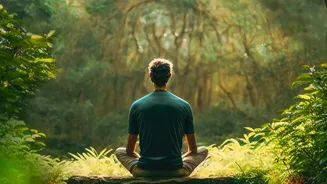
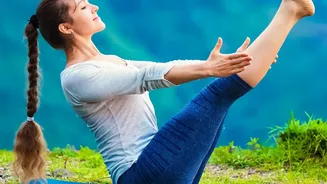
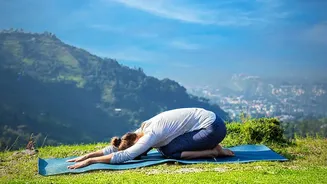
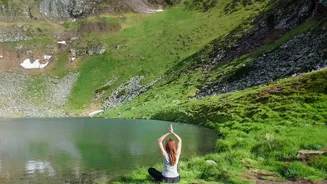
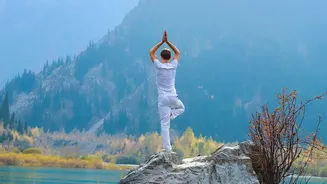
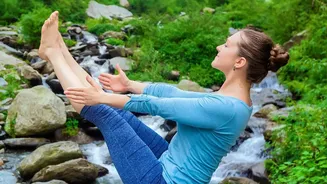
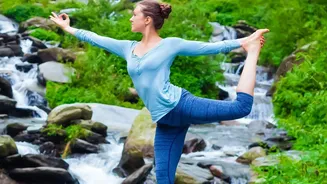
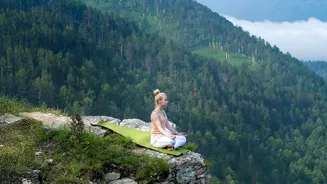
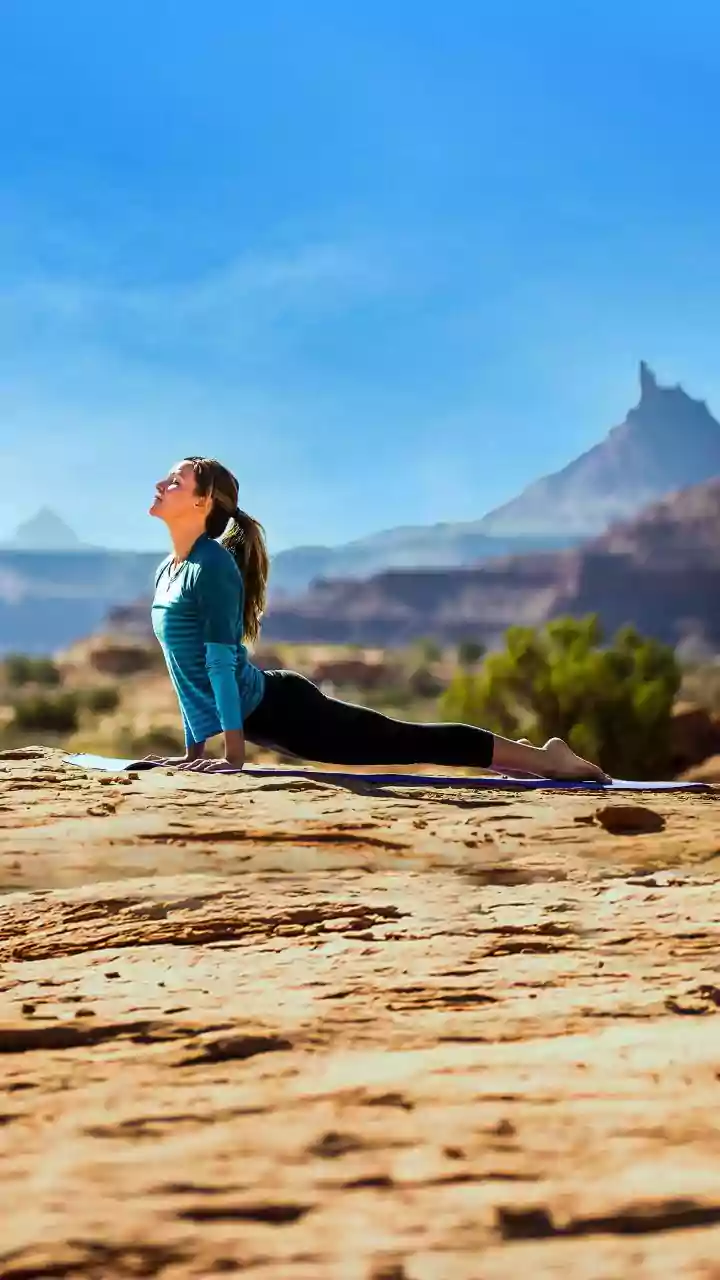
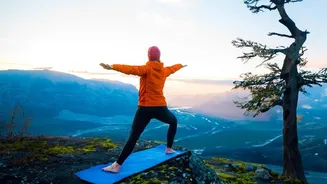
Yoga is often described as a practice of turning inward. The yoga mat becomes a personal island, a sanctuary where the noise of the world fades away. The focus is on the self: the breath, the alignment of the body, and the quiet observation of the mind.
Practices like pranayama (breath control) and meditation are specifically designed to calm the nervous system and promote a state of mindfulness. This process encourages self-awareness, allowing practitioners to connect with their thoughts and emotions without judgment. For those who seek solitude, yoga offers a structured way to achieve it. It provides a space to recharge away from external demands, reducing stress and clearing mental chatter. This inward focus helps cultivate a sense of inner peace and self-knowledge, making it a powerful tool for anyone feeling overwhelmed by constant social stimulation.
The Outward Quest of Trekking
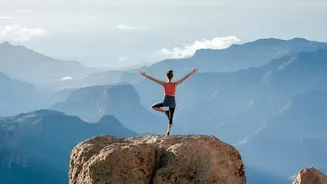
In stark contrast, trekking is an inherently outward-facing activity. It’s about conquering external landscapes, from gentle forest trails to formidable mountain passes. While one can trek alone, it is often a group endeavour, built on shared experience and mutual support. The appeal lies in the camaraderie forged through common challenges. Navigating a tricky path or reaching a summit together creates strong social bonds. The conversations around a campfire, the encouragement offered on a steep incline, and the shared awe of a stunning vista are all integral parts of the experience. This collective journey fosters a sense of belonging and boosts confidence through shared achievement. It’s an adventure that pulls you out of your own head and into a dynamic, social, and often unpredictable environment.
A Different Mental Landscape
The mental states cultivated by yoga and trekking are profoundly different. Yoga promotes a low-arousal state, activating the body's 'rest-and-digest' system to produce calm. Its introspective nature fosters deep concentration and self-reflection. Trekking, on the other hand, demands a high degree of external awareness. Trekkers must be mindful of the terrain, the weather, and the well-being of their group members. This outward focus, combined with physical exertion, helps restore mental energy and can reduce negative thoughts by shifting perspective. While yoga quiets the mind through stillness, trekking does so through movement and engagement with the world. The physical challenges boost endorphins and improve mood, creating a sense of accomplishment that is both personal and shared.
Solitude Versus Solidarity
The headline's core distinction holds true: individuals who value and need quiet time for self-reflection are naturally drawn to yoga's solitary nature. Research shows that chosen solitude can reduce stress, improve focus, and lead to more meaningful relationships. Yoga provides a perfect container for this intentional alone time. Conversely, those energized by social interaction often find their stride in group treks. Group travel offers safety, hassle-free planning, and the chance to build lasting friendships. The social support system inherent in a trekking group can encourage individuals to try new things and step out of their comfort zones, fostering personal growth. It's an environment where shared laughter and collective effort are the currency of connection.
It’s Not a Label, It’s a Need
However, it's a mistake to draw a hard line. You don't have to be a lifelong hermit to love yoga, nor a perpetual party-starter to enjoy a trek. The choice between these activities often comes down to fulfilling a present need rather than fitting a fixed personality type. An extrovert might seek a yoga class to find balance after a hectic week. An introvert might find the structured social environment of a guided trek to be a liberating way to experience nature and connect with others without pressure. Furthermore, these worlds often blend. Think of yoga retreats, where a community practises together, or the serene solitude one can find while walking alone, even within a larger trekking group. The true lesson is to listen to what your mind and body are asking for: an inward journey of peace or an outward adventure of connection.