



The Precision of Pilates
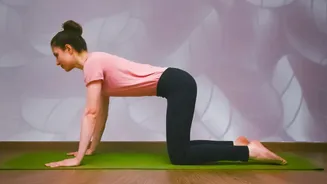
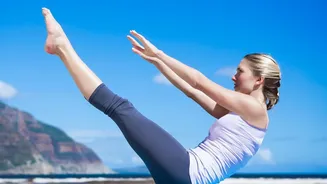
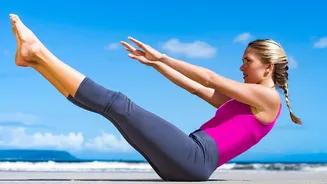
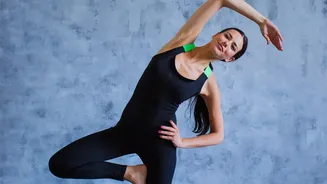
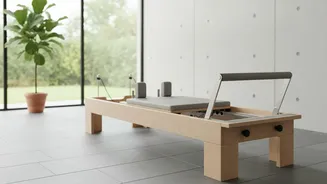
Pilates is a low-impact workout method centered on control, concentration, breath, and precise movements. Its primary strength lies in its ability to target and activate the deep, stabilizing muscles of your core—like the transverse abdominis and pelvic
floor—which are often overlooked in traditional workouts. Think of these muscles as your body's internal support system for the spine and pelvis. By focusing on alignment and controlled exercises, Pilates builds foundational strength from the inside out. This improves posture, enhances balance, and increases flexibility, all of which contribute to a more resilient and injury-proof body.
The Intensity of Circuit Training
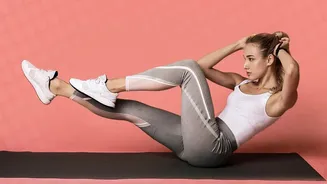
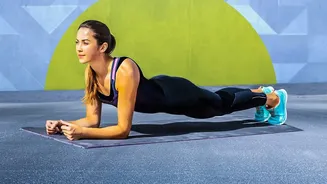
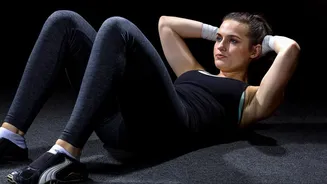
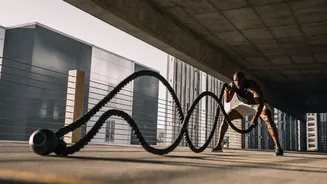
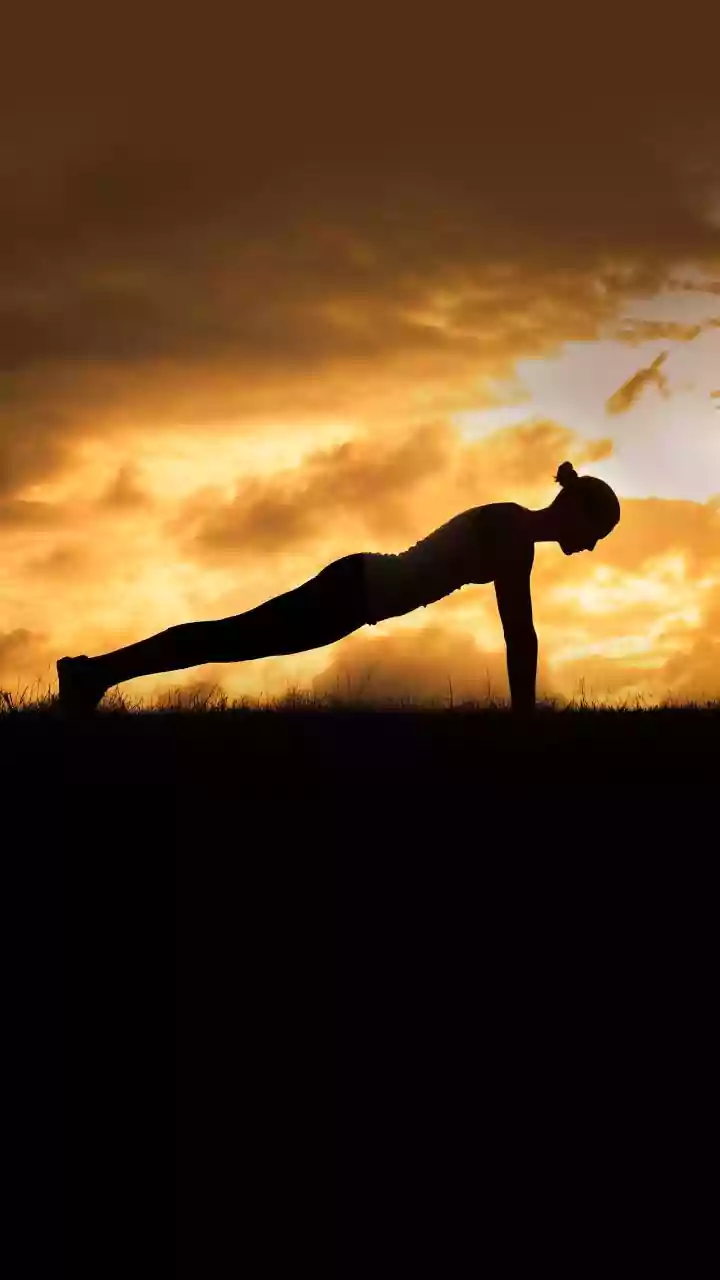
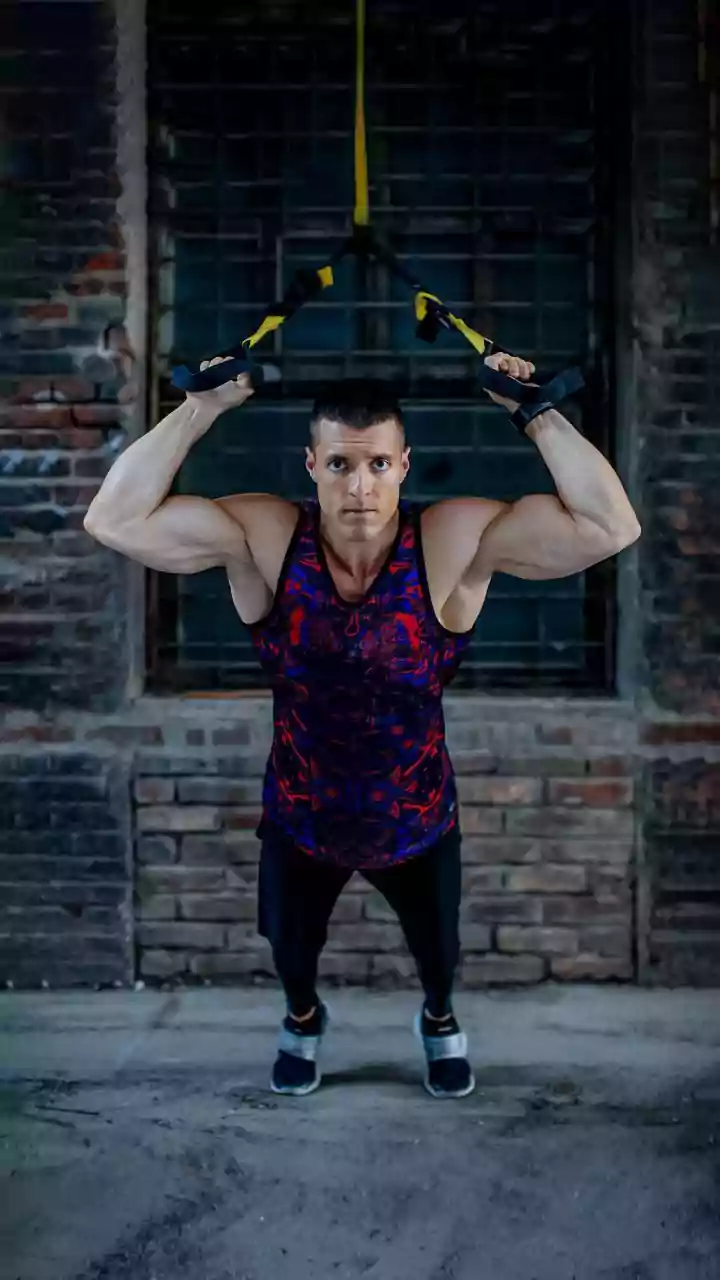
Circuit training is the polar opposite in terms of pacing. It involves performing a series of different exercises in quick succession with minimal rest in between. This format is designed to be highly efficient, combining strength training and cardiovascular work into a single session. While a circuit can include core-specific exercises like planks or bicycle crunches, the core is also engaged functionally to stabilize the body during full-body movements like squats, lunges, and push-ups. The main advantages are an elevated heart rate for a significant calorie burn, improved cardiovascular health, and building overall muscular strength and endurance.
Strength vs. Definition: What's Your Goal?
The "better" choice really depends on your primary objective. If your goal is to build deep, functional core strength, improve your posture, and create better mind-body awareness, Pilates is an outstanding choice. It excels at developing the stabilizing muscles that support a healthy spine. However, if your main goal is to reduce overall body fat to reveal abdominal definition (the proverbial "six-pack"), fast-paced circuit training has the edge. Its high-intensity nature is more effective for burning calories and boosting metabolism, which is necessary for fat loss. Remember, you cannot spot-reduce fat from your midsection; it requires a decrease in overall body fat.
Which Workout Fits Your Style?
Consider your fitness level and preferences. Pilates is exceptionally beginner-friendly and gentle on the joints, making it ideal for those new to fitness, recovering from certain injuries, or anyone who prefers a focused, methodical workout. In contrast, circuit training is best for those who enjoy high-energy, dynamic workouts and have a solid base level of fitness. The intensity can be scaled, but the fast pace and compound movements require good form to prevent injury. If you get bored easily, the constant variety in circuit training might keep you more engaged.
The Best of Both Worlds
Ultimately, you don't have to choose. Pilates and circuit training complement each other perfectly. Building a strong, stable core with Pilates provides the foundation needed to perform the dynamic movements in circuit training more safely and effectively. In turn, circuit training provides the high-intensity cardio and metabolic boost that a purely classical Pilates routine might lack. A balanced weekly routine could include two days of Pilates to focus on alignment and deep core work, and two days of circuit training for cardiovascular fitness and overall strength. This integrated approach addresses core fitness from every angle.