



The End of Endless Options
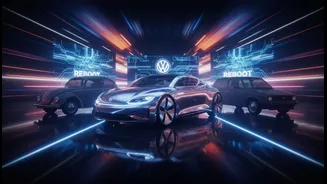
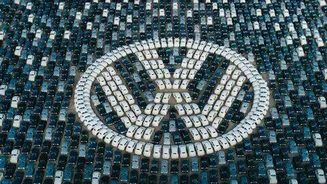
For decades, the automotive industry operated on a simple premise: more is more. More models, more trim levels, more engine choices, more paint colours. The result was a dizzying level of complexity for both automakers and customers. The Volkswagen Group,
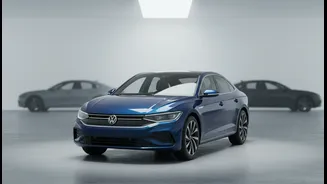
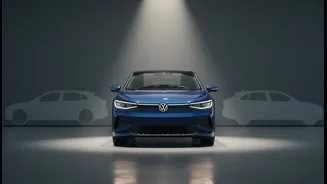
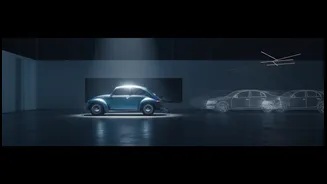
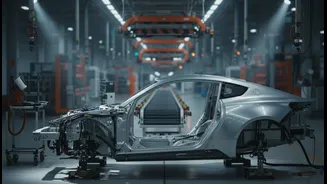
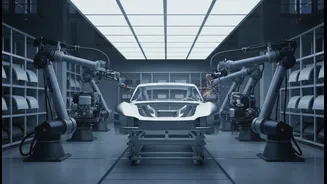
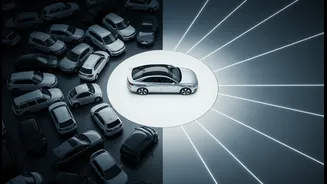
a behemoth with brands like Audi, Porsche, Skoda, and Seat, is now declaring an end to this era. The company has announced a dramatic future plan to streamline its global vehicle lineup by up to 50 percent by 2030. Even more drastically, it will slash the complexity of equipment options and trim configurations by as much as 75 percent. This means the days of wading through dozens of near-identical SUV variants or obscure engine-and-gearbox combinations are numbered. The goal is to focus investment and development on the models that matter most to customers and the company's bottom line.
A Strategy Born from Necessity
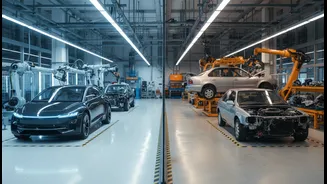
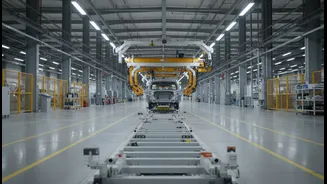
This radical simplification isn't just a philosophical shift; it's a strategic response to immense pressure. The company is facing significant financial headwinds, rising costs, and fierce global competition. In an internal meeting, the head of the core VW brand even warned that due to high costs and inefficient structures, the brand was “no longer competitive”. The plan is designed to make the entire group more resilient, agile, and profitable, with a target of boosting its return on sales. By eliminating overlapping models across its many brands and gutting parallel engineering structures, VW aims to become more efficient. The company is also adjusting its production capacity to align with a more realistic annual target of around 9 million vehicles, down from a pre-pandemic investment basis of nearly 12 million. It’s a move away from chasing sheer sales volume and toward securing healthier profit margins on the cars it does sell.
What This Means for the Showroom
For the average car buyer, this corporate overhaul will translate into a noticeably different shopping experience. The sprawling catalogue of vehicles is set to shrink, with the company concentrating on its most popular and profitable market segments. This means high-volume mainstays like the Tiguan and Golf are likely safe, but niche models—think certain coupes, cabriolets, or less popular variants—are on the chopping block. The process of choosing a car will become far simpler, with fewer decisions to make on equipment packages and optional features. Instead of a paradox of choice that can lead to customer fatigue, VW is gambling that a curated, more focused selection will be more appealing. This will also allow the company to channel its resources into the technologies that are defining the future of motoring, including electrification and advanced software platforms.
A Gamble on Simplicity
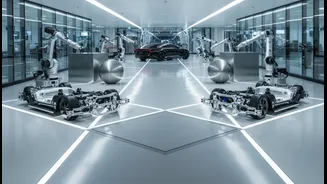
Volkswagen's move is a high-stakes test of a fundamental question: have automakers overestimated the consumer's desire for near-infinite customisation? For years, the ability to build a unique car was a key selling point. Now, VW is betting that a simpler, more intuitive lineup of well-equipped vehicles is the key to winning in a tougher market. This strategy is also an acknowledgment of the manufacturing reality of the modern era. As cars become more like computers on wheels, with complex software and electronics, reducing component and platform variation is essential for managing costs and ensuring quality. While other automakers are also pursuing modular architectures and platform sharing, VW's aggressive cull is one of the boldest statements yet. The entire industry will be watching to see if Volkswagen's grand simplification experiment pays off.