



The Dynamic Challenge of Skating
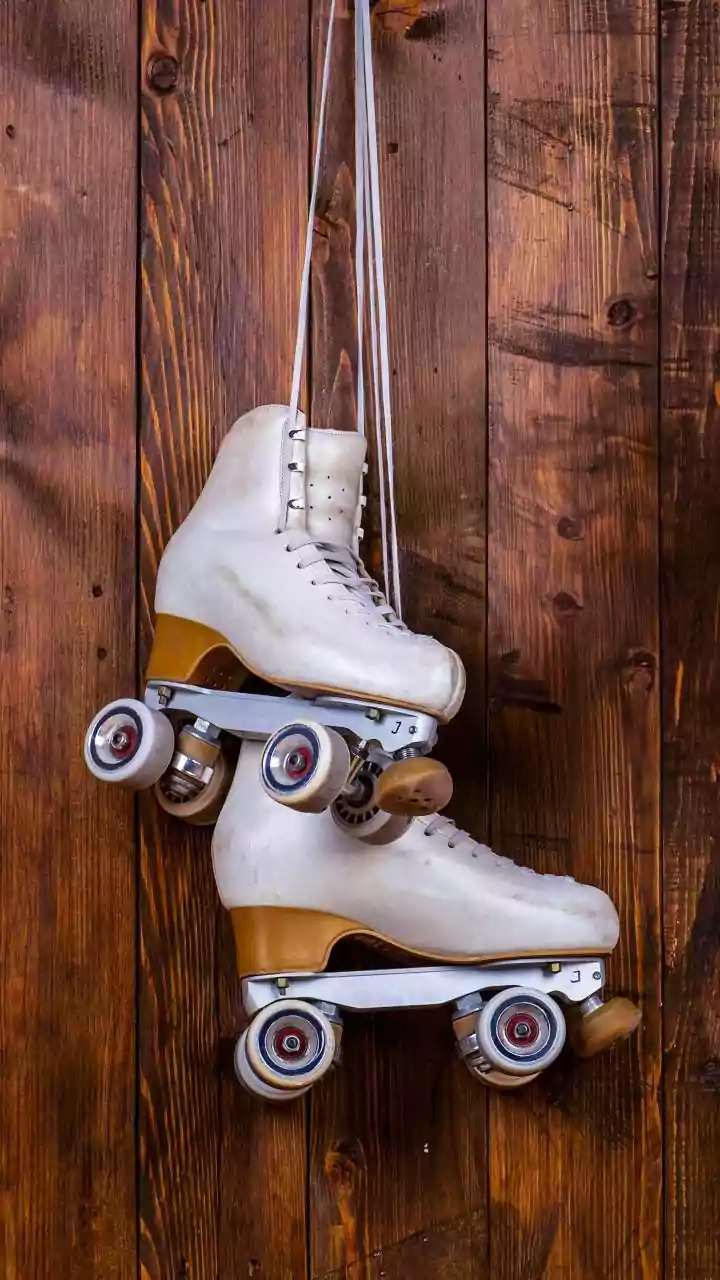
Skating, whether on ice or wheels, is a masterclass in dynamic balance—the ability to maintain control while in motion. The entire activity is built on managing instability. Gliding on a thin blade or a line of wheels creates a low-friction environment
where your body must make constant, split-second adjustments to stay upright. This trains your balance in a reactive way. Every push, turn, and change in speed forces your core to engage and your stabilizer muscles to fire. This process enhances your proprioception, which is your body’s awareness of its position in space. Skating essentially requires you to continuously recalibrate your center of gravity as it moves, building a form of balance that is agile, powerful, and ready for unpredictable shifts.
The Controlled Grace of Tai Chi
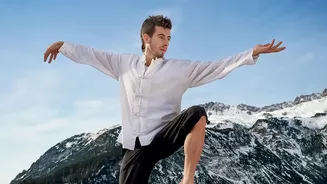
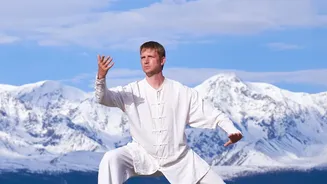
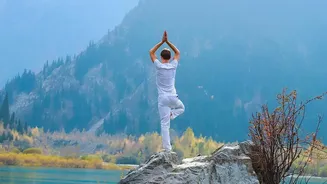
In stark contrast to skating's speed, Tai Chi champions the art of slow, deliberate movement. This ancient practice is often described as 'meditation in motion' and builds balance through deep focus and control. The exercises involve gentle, flowing forms where you shift your weight slowly and intentionally from one leg to the other. This method primarily develops static balance—the ability to hold a stable position. By moving slowly, practitioners have time to feel their weight distribution and consciously align their posture, improving the mind-body connection. Research shows this practice significantly enhances postural control and can reduce the risk of falls, particularly in older adults, by training the body to remain stable through controlled transitions.
Core Strength and Muscle Engagement
Both activities are excellent for building core strength, but the muscles are trained differently. Skating builds a powerful and reactive core. The constant need to prevent wobbling and generate force for propulsion works the abdominal and lower back muscles in short, strong bursts. It also heavily engages the glutes, quads, and hamstrings, creating powerful leg muscles that are crucial for stability. Tai Chi develops core strength through sustained engagement. Holding deep stances and performing slow transitions requires the core muscles to remain active for long periods, building endurance and stability. It strengthens the lower body in a low-impact way, focusing on joint flexibility and coordinated muscle action rather than explosive power.
Mind-Body Connection: Reactive vs. Meditative
The mental focus required for each discipline is also distinct. Skating demands intense external awareness. You must constantly scan your environment for obstacles, other people, and changes in the surface, all while managing your own speed and momentum. Your brain is trained to react quickly to visual and physical feedback. Tai Chi, conversely, cultivates internal awareness. The practice encourages a focus on breath, the sensation of movement, and the body's position. This meditative aspect helps calm the nervous system and improves proprioception by reducing reliance on visual cues for balance. One is an outward-facing challenge of agility, while the other is an inward-facing journey of mindfulness and control.
Which Path to Balance is Right for You?
Choosing between skating and Tai Chi depends entirely on your personal fitness goals and preferences. If you are looking for a high-energy cardiovascular workout that builds dynamic, reactive balance and lower-body power, skating is an excellent choice. It's ideal for those who enjoy speed and want an activity that feels like both a sport and a workout. If you prefer a low-impact, mindful practice that reduces stress while methodically improving your stability and posture, Tai Chi is likely the better fit. It is particularly beneficial for improving foundational stability and preventing falls, making it a highly recommended practice for all ages, especially older adults.