






The Viral Spark of Accountability
In recent weeks, Mumbai's social media feeds have been buzzing with more than just the usual celebrity gossip and travel photos. A city-wide conversation about food safety has erupted, fueled by a series of high-profile raids and inspections by the Maharashtra
Food and Drug Administration (FDA). This isn't a top-down movement alone; it's being amplified and driven by consumers themselves. Graphic images and detailed accounts of inspections, showing everything from cockroaches and rats to expired food at well-known establishments, are going viral. The actions are part of a massive statewide campaign led by FDA Commissioner Tukaram Mundhe, whose aggressive approach has made him an unlikely social media figure. This has created a feedback loop where citizens, armed with smartphones, feel empowered to report violations, knowing their posts can trigger real-world consequences.
From Big Brands to Local Favourites
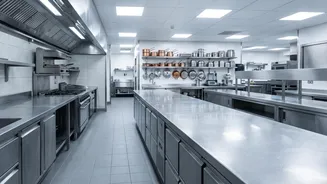
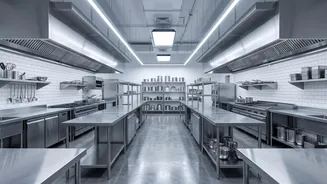
No establishment has been immune to the crackdown, which has targeted everything from elite clubs to global fast-food chains and beloved local eateries. In just the past week, the FDA suspended the licences of multiple restaurants at the Mumbai Cricket Association (MCA) premises, citing issues like rotten raw food, poor sanitation, and improper temperature control. Other famous names, including a McDonald's outlet in Colaba and the popular late-night spot Ayub's, also faced suspension for serious hygiene violations like improper food storage and the presence of pests. The inspections have been surprisingly thorough, with officials finding issues such as staff not wearing gloves, dirty kitchens, and a lack of proper records. Even canteens at the Bombay High Court were inspected after a judge questioned if government-run places were held to the same standard, a move that earned widespread praise online for its message of equal accountability.
Every Diner an Inspector
The current movement highlights a significant shift in consumer power. With social media platforms like Instagram and X (formerly Twitter), every diner is a potential watchdog. A single post can alert thousands of people and, more importantly, catch the attention of regulators. The FSSAI, India's central food regulator, has acknowledged the rising "outburst in social media related to food safety," noting it has prompted introspection from both industry and regulators. This citizen-led vigilance is forcing a change in behaviour. Reports show that in the wake of the raids, some street food vendors have begun using fresher ingredients, changing cooking oil more frequently, and improving overall hygiene. A viral video even showed shawarma vendors changing their cooking practices after the FDA's focus on artificial colourants and hygiene. This demonstrates how digital exposure can lead to immediate, tangible improvements in food safety standards on the ground.
The Official Response and How to Participate
The Maharashtra FDA, under Commissioner Mundhe, has conducted over 3,000 inspections since May, issuing hundreds of improvement notices and suspending dozens of licences. The campaign, dubbed 'Safe Food, Safe Maharashtra', is not just about penalising violators but also about creating a culture of compliance. For consumers who want to contribute, there are official channels to report issues. The Maharashtra FDA has an online portal for registering grievances, and the FSSAI offers a national consumer grievance portal called 'FoSCoS'. While social media is a powerful tool for raising awareness, using these official portals ensures that a complaint is formally logged and tracked. This combination of public pressure and official process is proving to be a potent formula for change. As this crackdown continues, it's clear that Mumbai's food scene is being reshaped not just by chefs and owners, but by the collective voice of its digitally connected customers.