

The Invisible Ripening Signal
The key to mastering your bananas is a natural, invisible gas called ethylene. Think of it as a plant hormone that triggers ripening. Fruits and vegetables produce it in varying amounts, and bananas are known for being particularly generous producers.
This gas is what signals a banana to soften, sweeten, and change colour from green to yellow and eventually to brown. The more ethylene gas present around the banana, the faster this process occurs. This phenomenon is so reliable that commercial growers use ethylene to control the ripening of bananas that are picked green and shipped long distances.
To Ripen Bananas Faster
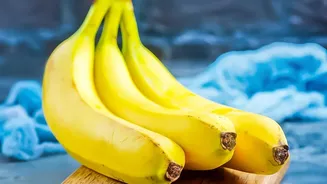
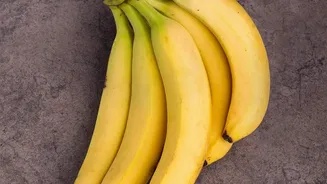
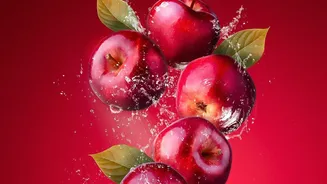
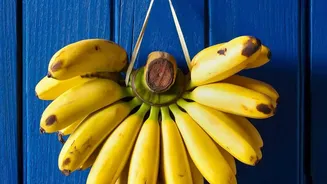
Need those green bananas ready for your morning smoothie or banana bread recipe? You can leverage ethylene to your advantage. The simplest method is to keep your bananas in a bunch. The combined ethylene production of the group will create a ripening hotspot, encouraging them all to mature more quickly. For an even bigger boost, place your bananas in a loosely closed paper bag. This traps the ethylene gas they release, concentrating it and accelerating the process. If you want to supercharge the ripening, add an apple, pear, or avocado to the bag; these fruits are also potent ethylene producers and will contribute to the effect. With this method, green bananas can turn perfectly yellow in just a day or two.
To Keep Bananas Fresh Longer
To prevent your bunch from becoming overripe too soon, the goal is to reduce their exposure to ethylene gas. The first step is to separate them. Breaking up the bunch and storing each banana individually prevents them from sharing their ethylene and ripening each other. To go a step further, try wrapping the stem of each banana in a small piece of plastic wrap or aluminum foil. Since most ethylene is released from the stems, this simple trick can significantly slow down the process, giving you several extra days of freshness. And, of course, keep your bananas away from other ethylene-producing fruits like apples, peaches, and tomatoes.
The Refrigerator Question
What about the fridge? It's a common question with a nuanced answer. Putting a banana in the refrigerator will halt the ripening process almost entirely. However, the cold temperature will cause the peel to turn dark brown or black very quickly. While it might look unappetizing, the fruit inside will remain at the ripeness it was when you put it in and will be perfectly fine to eat. This makes the fridge a great option when you have a perfectly ripe banana that you aren't ready to eat just yet. Just don’t put an underripe banana in the fridge, as it will never properly ripen even after you take it out.
Create a Smart Fruit Bowl
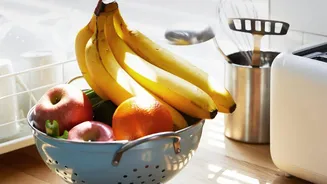
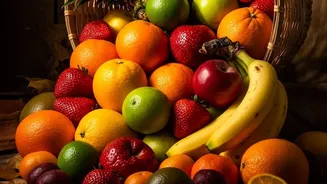
Armed with this knowledge, you can become the master of your fruit bowl. Think of your kitchen counter in terms of ripening zones. Keep high ethylene producers like apples, pears, avocados, and stone fruits together, and separate from your more sensitive produce. Items that are particularly sensitive to ethylene and can spoil faster when exposed include broccoli, carrots, cucumbers, and leafy greens. By strategically placing your produce, you not only manage the life of your bananas but also reduce overall food waste by extending the freshness of all your fruits and vegetables.