

What Exactly Is Starlink Proposing?
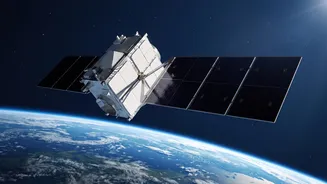
At the heart of this development is a fresh application from Starlink to the Indian National Space Promotion and Authorisation Centre (IN-SPACe). The company is seeking a green light for its second-generation (Gen 2) network. This isn't just a minor upgrade;
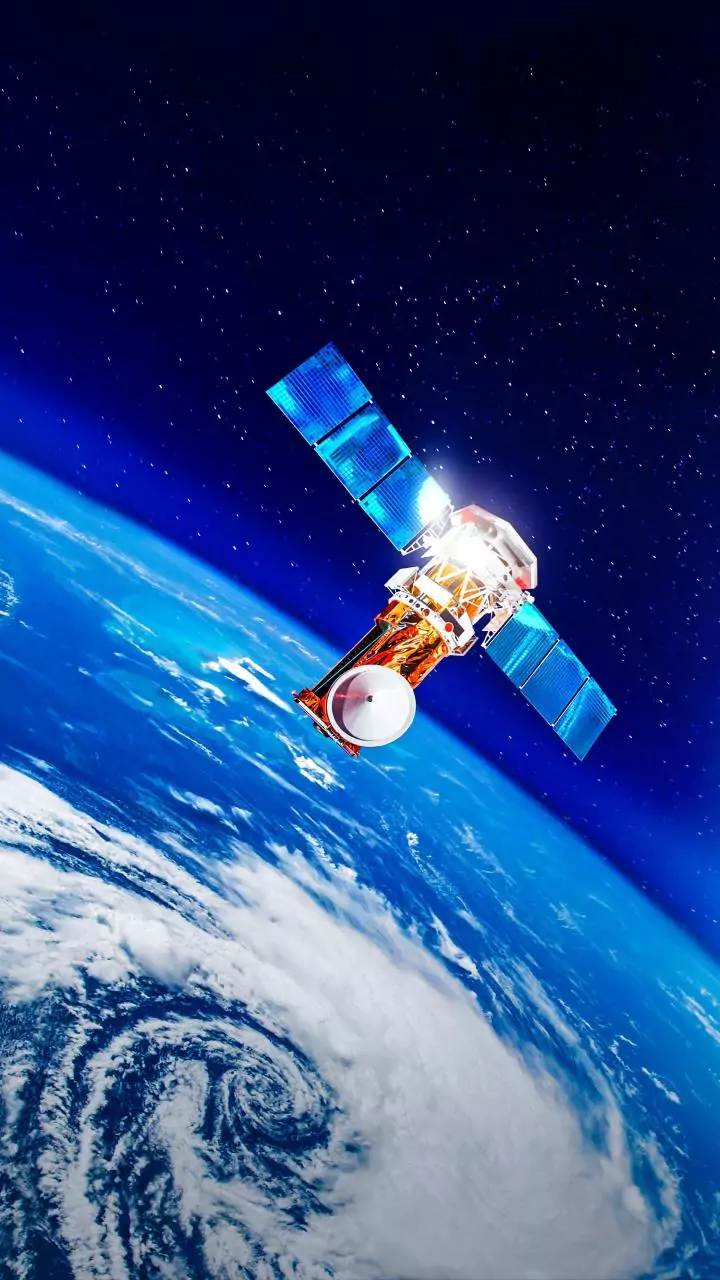
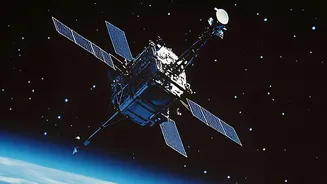
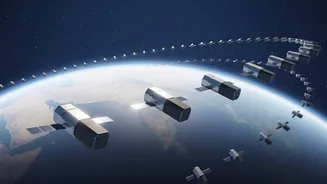
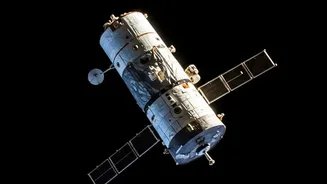
it's a colossal ambition involving nearly 30,000 Low Earth Orbit (LEO) satellites that would operate globally. A key feature of this new application is the inclusion of direct-to-device (D2D) technology. This would theoretically allow standard mobile phones to connect directly to satellites, bypassing the need for ground-based towers or even a special dish, which could be a game-changer for connectivity in India's most remote regions. This is Starlink's second attempt to get its Gen 2 network approved, after a previous bid was rejected due to non-conformity with certain regulatory and spectrum requirements.
IN-SPACe: India's New Space Gatekeeper
For many, IN-SPACe is a new name. Established as a single-window, autonomous nodal agency, its role is to promote, authorise, and supervise the space activities of non-governmental entities in India. Think of it as the primary gateway for any private company, domestic or international, wanting to operate in India's burgeoning space sector. Starlink's application is for a Global Mobile Personal Communication by Satellite (GMPCS) license, which is the necessary permit to provide mobile voice and data services via satellite. However, IN-SPACe's approval is just one crucial step. The application will also require clearances from other government bodies, including the Department of Telecommunications (DoT) for spectrum allocation and, critically, the Ministry of Home Affairs for national security clearance.
The Promise: Bridging the Digital Divide
The potential upside of services like Starlink is immense for a country like India. Despite rapid digitisation, a significant portion of the population, particularly in rural and remote areas, still lacks reliable high-speed internet. Satellite internet, beamed from a constellation of LEO satellites, can provide coverage to virtually any location on the ground, from the Himalayas to isolated islands, without the need for extensive and expensive fiber optic cables or mobile towers. Proponents argue this could unlock new opportunities in education, healthcare, e-governance, and disaster response, effectively bringing millions of underserved Indians into the digital mainstream. Musk himself has framed the effort as a way to "help the least served in India, especially in rural areas."
A Sky Crowded with Competition
Starlink is not entering an empty arena. India's biggest conglomerates are already staking their claims in the sky. Reliance's Jio Platforms, in a joint venture with Luxembourg-based SES, has already secured a GMPCS license for its Jio SpaceFiber service. Not to be outdone, Bharti Enterprises is a major investor in Eutelsat OneWeb, which has also received its license and is preparing for a commercial launch. This sets the stage for a three-way battle between two of India's most powerful companies and a global tech behemoth. The government's decision on Starlink's application will be closely watched, as it could dramatically alter the competitive dynamics of a satellite internet market projected to be worth billions.
Hurdles on the Horizon
Despite the potential, Starlink faces a complex and challenging regulatory path. National security is the paramount concern for the Indian government. Authorities are wary of foreign-controlled networks and have insisted that all Indian user data must be routed through gateways located on Indian soil, with robust mechanisms for lawful interception and monitoring. In fact, these very security concerns have delayed the commercial rollout for all approved satcom players, including Jio and OneWeb. Beyond regulation, there are global concerns about the sheer number of satellites being launched. The prospect of tens of thousands of new objects in LEO has amplified worries about space debris and the potential for collisions that could endanger all space activities.