





The Scale of Our Kitchen Challenge
The numbers are startling. Reports indicate that Indian households generate a staggering amount of food waste annually—by one estimate, around 55 kg per person. This isn't just about the food that spoils; it's a waste of the money spent, the water used
to grow it, and the energy consumed to bring it to our kitchens. Much of this waste begins with a simple, relatable problem: a lack of planning. We head to the grocery store without a list, lured by 'buy one, get one' offers and colourful packets of snacks. This leads to overbuying, and once at home, busy schedules mean fresh ingredients are often forgotten until they are no longer usable. It's a cycle of impulse purchases leading directly to kitchen waste, hitting both our wallets and our conscience.
The Power of a Simple Plan
This is where meal planning transforms from a trendy 'life hack' into a powerful tool for the Indian home. At its core, meal planning is simply deciding what you are going to eat before you shop for it. It’s a deliberate shift from reactive, last-minute decisions to proactive, intentional cooking. For the complex, multi-generational Indian household—where a diabetic grandparent, a picky child, and a working parent might all eat from the same kitchen—a plan brings order to the chaos. It allows for dietary needs to be met thoughtfully, reduces the daily 'what to cook?' stress, and, most importantly, puts you in control of your grocery list and your kitchen inventory.
Your First Meal Plan: Start Small
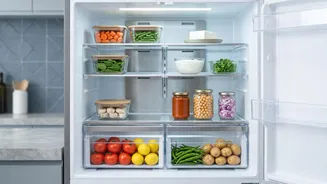
The idea of planning a full week can be intimidating. The key is to start small. Don't try to plan every single meal for seven days. Instead, aim to plan for just three or four days. Before you even think about recipes, do a quick audit of your pantry, fridge, and freezer. What do you already have? That half-bottle of passata, the leftover chickpeas, the bag of carrots—these are your starting points. Build your first few meals around using these ingredients. This 'shop your pantry' first approach immediately reduces waste and saves money before you even spend a rupee. Once you know what you have, you can make a very specific list of what you need.
Building the Indian Meal Matrix
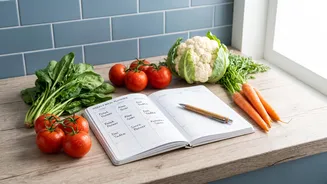
Forget complicated spreadsheets. The easiest way to plan for an Indian kitchen is to think in terms of meal components. Most daily meals follow a pattern: a dal or legume, one or two vegetable dishes (sabzi), a grain (roti or rice), and perhaps a raita or salad. Create a simple chart for the week. For each day, instead of a specific dish, just fill in the component. For example: Monday could be 'Moong Dal' and 'Aloo Gobi'. Tuesday might be 'Rajma' and 'Bhindi Fry'. This structure gives you a framework without being overly rigid. It simplifies grocery shopping immensely; you know you need lentils, specific vegetables, and staples, rather than wandering the aisles hoping for inspiration.
The Smart Grocery List
Your meal plan is only as good as the shopping list it generates. A well-crafted list is your best defence against impulse buys. With your 'meal matrix' in hand, go through your pantry and list only the items you don't have. Be specific. Instead of just 'vegetables', write '250g bhindi, 500g potatoes, 1 cauliflower'. This focus prevents you from being tempted by exotic vegetables you have no plan for. Stick to the list. This single habit is the most effective way to curb impulse spending and ensure that everything you bring into your home has a designated purpose.
Embrace Creative Leftovers
Meal planning also means planning for leftovers. In an Indian kitchen, this is an opportunity for creativity. Don't just reheat; repurpose. Last night’s dal can be kneaded into dough for flavourful parathas. Extra cooked rice is perfect for turning into lemon rice or fried rice the next day. A leftover sabzi can become a delicious sandwich filling or a stuffing for a dosa. By thinking of leftovers not as a burden but as a head-start on your next meal, you ensure that almost nothing goes to waste. Planning a 'leftover night' once a week can be a great way to clear out the fridge before your next big cook.