

A New Era of Transit
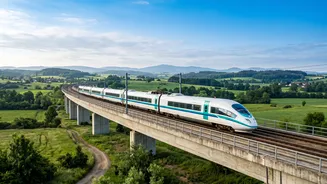
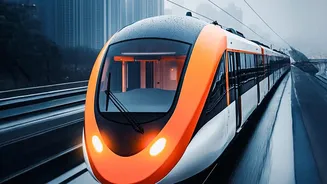
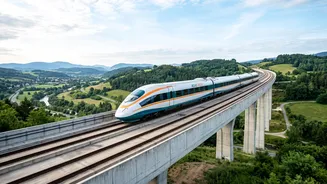
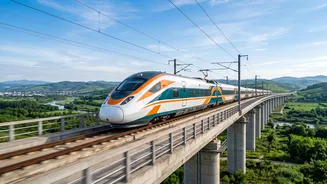
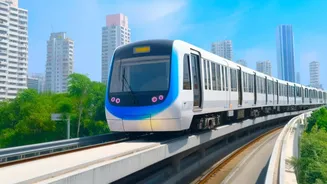
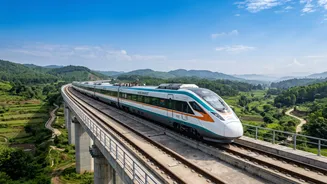
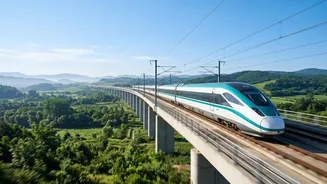
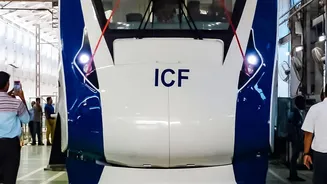
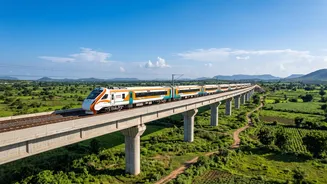
The Namo Bharat isn't just another train; it's India's first Regional Rapid Transit System (RRTS). Unlike a metro, which is designed for short, intra-city trips, the RRTS is built for speed over longer distances, connecting major urban centres within
the National Capital Region (NCR). The entire 82.15 km Delhi-Ghaziabad-Meerut corridor, which became fully operational in February 2026, was developed by the National Capital Region Transport Corporation (NCRTC) to serve as a high-speed backbone for regional mobility. With an operational speed of 160 km/h, it is fundamentally changing the definition of commuting in the region.
The Sub-50 Minute Promise Delivered
The headline claim holds true. The full journey from Delhi's Sarai Kale Khan station to Modipuram in Meerut can now be completed in approximately 55 minutes, a drastic reduction from the two to three hours it previously took by road. The system uses advanced signalling and dedicated tracks to maintain high speeds and reliability. The service offers trains every 5 to 10 minutes during peak hours and every 10 to 15 minutes during off-peak times, ensuring commuters have minimal waiting times. Services run from 6:00 AM to 11:00 PM daily, catering to a wide range of schedules.
What's the Ride Like?
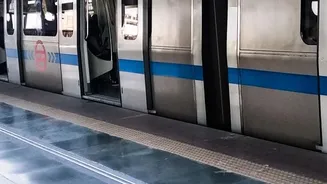
Comfort and convenience are at the core of the Namo Bharat experience. The air-conditioned coaches feature a 2x2 seating arrangement with ample legroom, designed for longer regional journeys. For those needing to stay connected, free Wi-Fi and charging points at every seat are standard. Each train also includes a premium coach with extra amenities like reclining seats, as well as a coach reserved exclusively for women. Onboard features include infotainment screens, dynamic route maps, and CCTV cameras for enhanced safety. Platform screen doors at every station prevent accidents and ensure smooth boarding.
Stations and Seamless Connectivity
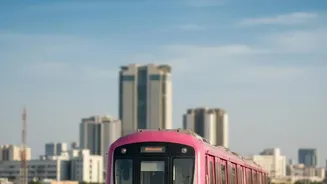
The 82 km corridor features 16 key stations, including major hubs like Sarai Kale Khan, Anand Vihar, Ghaziabad, and Meerut South. A key feature of the project is its focus on multimodal integration. Major RRTS stations are strategically connected with Delhi Metro lines, Indian Railways stations, and Inter-State Bus Terminals (ISBTs). For instance, Sarai Kale Khan offers interchange facilities with the Delhi Metro's Pink Line, Nizamuddin railway station, and the Sarai Kale Khan ISBT, allowing for a seamless transition between different modes of transport.
Fares and Ticketing
The fare structure is distance-based, designed to be affordable for daily commuters. A complete journey from Delhi to Meerut in a standard coach costs approximately ₹150-₹210. Passengers looking for added comfort can opt for the premium coach, with fares about 1.2 times the standard price. Ticketing is modern and flexible, with options including QR-code based tickets from station kiosks, the official mobile app, or by using a National Common Mobility Card (NCMC), which aligns with the 'One Nation, One Card' initiative and offers small discounts.
The Bigger Picture for the NCR
The Delhi-Meerut corridor is just the beginning. It is the first of three priority corridors planned in Phase 1 of the RRTS project, with lines to Alwar (via Gurugram) and Karnal (via Panipat) also in advanced stages. The network is designed to be interoperable, meaning future trains can move from one corridor to another without passengers needing to change trains at Delhi's central Sarai Kale Khan hub. This integrated network will not only decongest Delhi's roads but also spur balanced economic development across the NCR by making satellite towns more accessible and attractive for both residents and businesses.